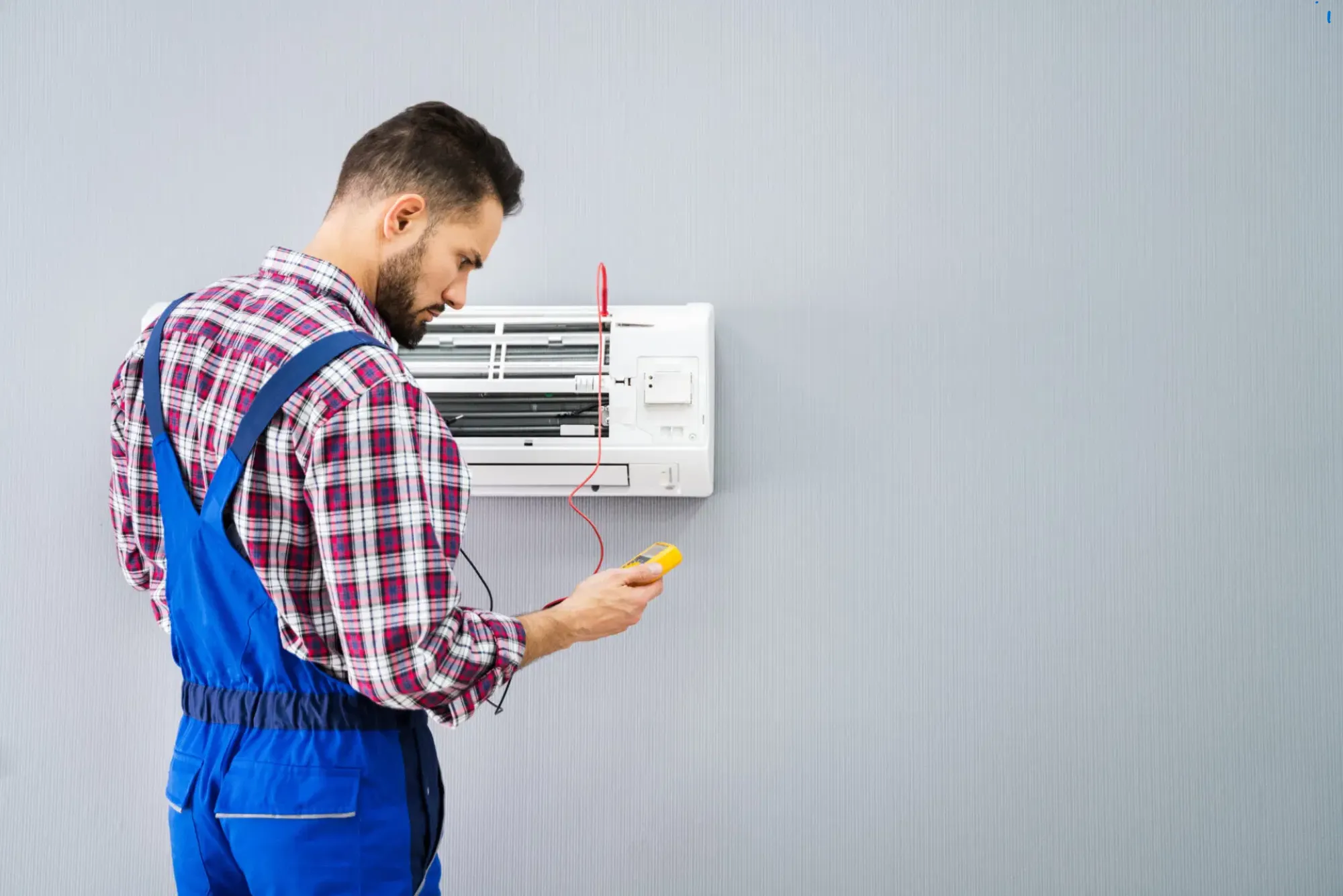
As someone who has worked in the HVAC field for several years, I’ve lost count of how many times I’ve heard homeowners confidently state “facts” about air conditioners that simply aren’t true. And it’s not their fault—many of these misconceptions have been passed around for years, often by word of mouth or outdated advice that no longer applies to modern systems. The problem is, acting on incorrect information can lead to higher energy bills, unnecessary wear and tear, and even costly repairs. So let’s walk through some of the most common AC misconceptions I’ve come across and shed some light on the truth behind them.
Setting the Thermostat Lower Cools Your Home Faster
This is one of the most widespread myths about air conditioning, and I totally get why people believe it. When you walk into a hot room, it feels intuitive to crank the thermostat way down to something like 18°C or even lower, thinking it’ll cool the room faster. But the truth is, your air conditioner works at a fixed rate. Whether you set it to 24°C or 18°C, it cools the air at the same pace. Setting the thermostat lower won’t speed up the process; it will just keep running longer, overshooting the comfortable temperature and wasting energy.
What’s more effective is to set the thermostat to your ideal temperature and be patient. If you find your AC takes too long to cool the room, it may be undersized, poorly maintained, or fighting against poor insulation or direct sunlight. Those are the issues worth investigating—not the thermostat setting.
Bigger AC Units Mean Better Cooling
It’s easy to assume that more power equals better performance. I’ve seen homeowners insist on buying the largest possible AC unit for a room, thinking they’re ensuring stronger and faster cooling. But air conditioning isn’t about brute force; it’s about balance. An oversized unit will indeed cool the room quickly, but it won’t run long enough to remove humidity effectively. The result? A cold, clammy, uncomfortable environment.
Additionally, frequent short cycles can put stress on the compressor and other components, leading to higher maintenance costs and shorter equipment life. The key to efficient and comfortable cooling lies in proper sizing based on the room’s dimensions, insulation, window placement, and local climate. A professional HVAC technician can perform a load calculation to recommend the right unit size. Going big isn’t better—going right is.
You Don’t Need Maintenance Unless Something Breaks
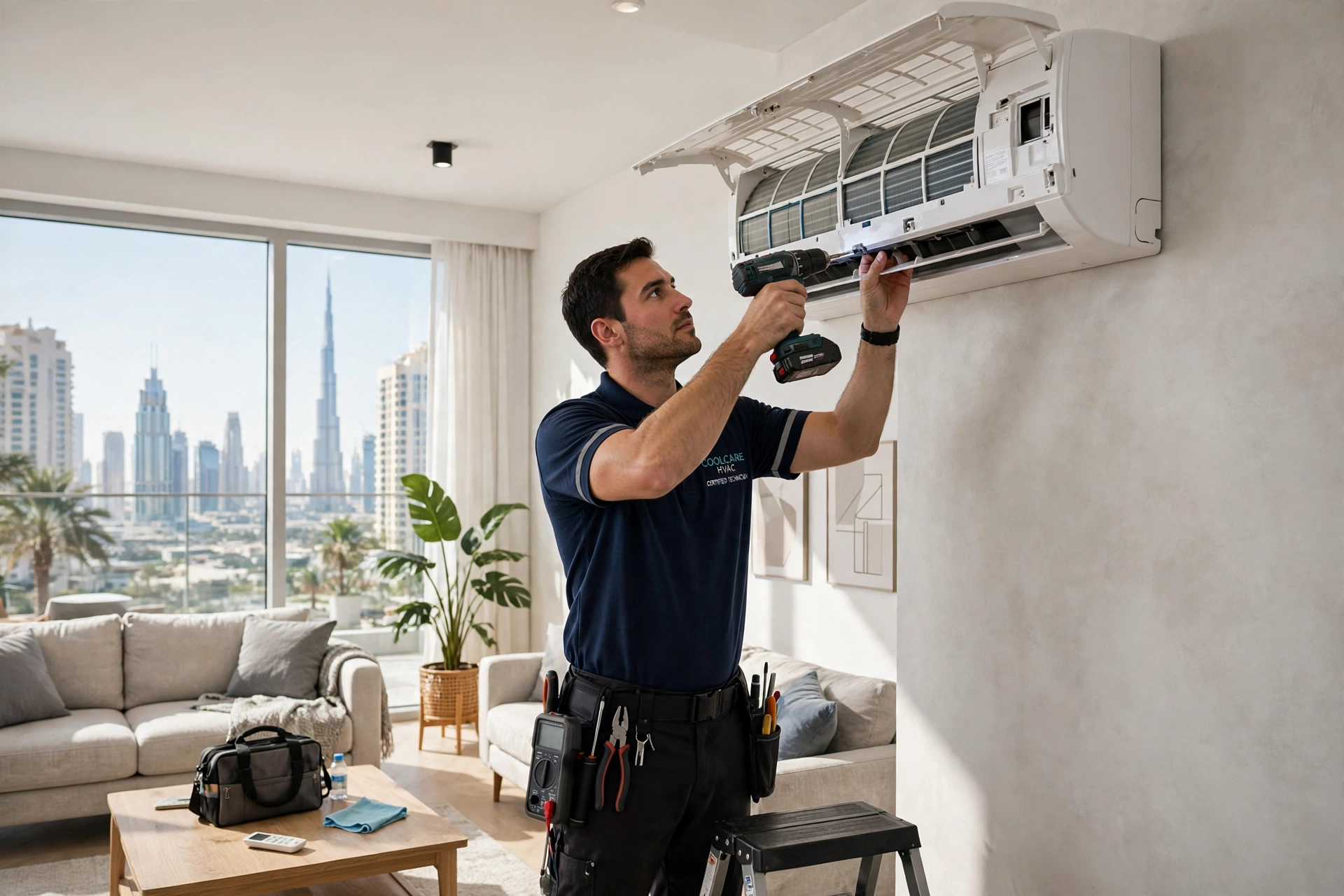
This is a costly misconception, and it’s surprisingly common. Many people believe that as long as their AC seems to be working fine, there’s no need for maintenance. But air conditioning systems, like cars, require regular check-ups to run smoothly and efficiently. Neglecting routine maintenance leads to clogged filters, dirty coils, and unnoticed refrigerant leaks, all of which reduce performance and increase energy consumption.

I’ve had countless service calls where a simple maintenance check could have prevented a complete system failure. Preventive maintenance not only saves money in the long run but also extends the lifespan of your AC and ensures consistent comfort throughout the year. Having a technician inspect your unit at least once a year—preferably before summer—can make a huge difference.
Ceiling Fans and AC Shouldn’t Be Used Together
Here’s another misconception that many homeowners accept without question: that using ceiling fans with the AC is redundant or wasteful. The truth is, ceiling fans and AC units actually complement each other beautifully. While the AC cools the air, a ceiling fan circulates it more effectively, creating a wind-chill effect that helps your body feel cooler.
This means you can set your thermostat a few degrees higher and still feel just as comfortable, saving on your electricity bill. The key is to make sure your fan is turning counterclockwise in the summer to push cool air downward. Combining both systems smartly can enhance comfort and efficiency rather than working against each other.
Closing Vents in Unused Rooms Saves Energy
This one sounds logical at first. If you’re not using a room, why let cold air go to waste? So you close the vent thinking you’re conserving energy. Unfortunately, central AC systems are designed to cool based on the entire home’s ductwork layout. When you close vents, it creates pressure imbalances in the system. This can actually make your AC work harder, reduce efficiency, and even cause duct leaks over time.
Rather than closing vents, it’s more effective to zone your cooling if you really need individual control over room temperatures. Some newer systems support smart zoning features, but with traditional setups, it’s best to leave vents open and use a programmable thermostat to manage usage more efficiently.
AC Units Only Cool the Air
Many people view air conditioners as just machines that make the room cold. While that’s their primary function, a big part of what makes air conditioning feel comfortable is its ability to remove moisture from the air. That’s right—air conditioners are also dehumidifiers.
If your home feels sticky or damp, your AC may not be functioning properly, or it may be oversized and shutting off before it has time to remove enough humidity. In very humid climates, a standalone dehumidifier can help, but understanding that moisture control is part of an AC’s role can help you troubleshoot comfort issues beyond just temperature readings.
Duct Tape is Great for Sealing Ducts
This one always gets a chuckle from HVAC professionals. Despite the name, duct tape is not suitable for sealing air ducts. It tends to dry out, crack, and fall off over time when exposed to the temperature fluctuations and airflow inside duct systems. If you have leaking ducts—and many homes do—the right material to use is mastic sealant or specialized metal foil tape, both of which are designed to handle the conditions within your ductwork.
Properly sealed ducts reduce energy loss and improve overall system efficiency. I’ve seen homes with 20–30% of their cooled air lost through leaks. Fixing those leaks can lead to noticeable savings on your energy bills and better cooling performance.
Leaving the AC Running All Day is More Efficient
Some homeowners leave their AC on all day while they’re out, believing it uses less energy than turning it off and on again. While it’s true that systems use a little extra energy when starting up, it’s not nearly enough to justify running it all day in an empty house.
Modern air conditioners are designed to be efficient even with frequent cycling. The best solution is to use a programmable or smart thermostat that adjusts the temperature based on your schedule. Set it a few degrees warmer when you’re out and have it cool down just before you return. This method saves energy without sacrificing comfort.
AC Refrigerant Needs to Be Refilled Regularly
This is a dangerous misunderstanding that leads many homeowners to delay real repairs. Your AC’s refrigerant should never run out unless there’s a leak. It’s a closed system, and if it’s working properly, the refrigerant keeps cycling through the compressor and evaporator without needing to be topped off.
If your technician tells you that your refrigerant is low,Post Category, it means there’s a leak that must be fixed. Simply adding more refrigerant without addressing the source of the problem is both wasteful and harmful to the environment. A good technician will always find and repair the leak before recharging the system.
More Frequent Filter Changes Aren’t Always Better
Changing the air filter is one of the easiest and most effective ways to maintain your AC, but some homeowners take it too far, thinking more is always better. While it’s important to change the filter regularly—every 1 to 3 months depending on usage—doing it too often can be unnecessary and costly.
Check the filter monthly and change it when it looks dirty or clogged. If you live in a dusty area, have pets, or suffer from allergies, more frequent changes may be justified. Otherwise,AC Misconceptions Debunked, stick to the recommended schedule and avoid waste.
Final Thoughts on AC Misconceptions
There’s a lot of well-meaning but outdated advice out there when it comes to air conditioning. These myths often persist because they sound logical, or because they were once true in older systems. But modern HVAC technology has advanced, and understanding how your AC really works can help you save energy, money, and frustration.
If you’ve believed any of these misconceptions, don’t worry—you’re not alone. The important thing is staying informed and consulting professionals when in doubt. Your air conditioner is one of the most critical systems in your home, especially during the summer months. Treat it with the care and attention it deserves, and it’ll serve you well for years to come.