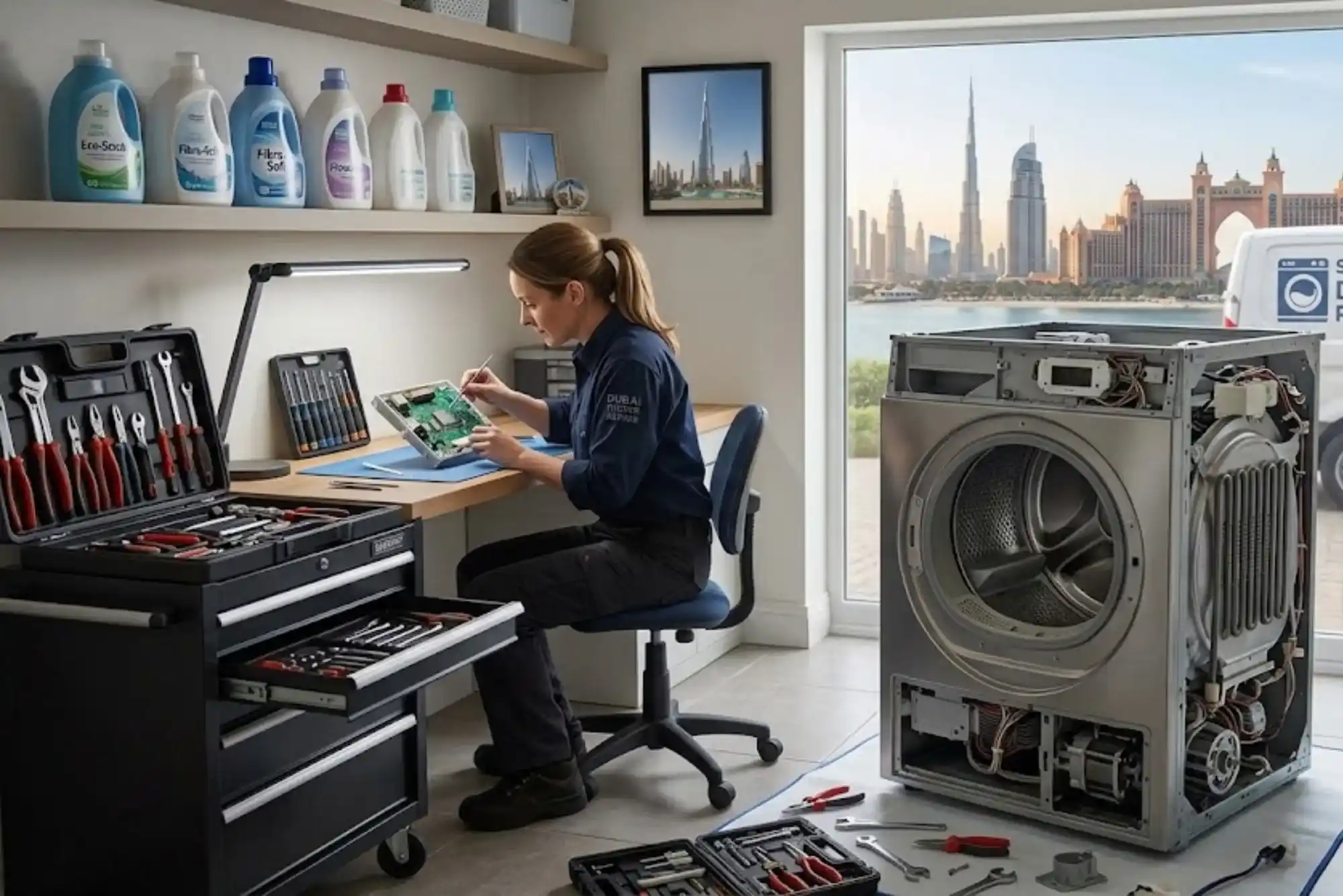
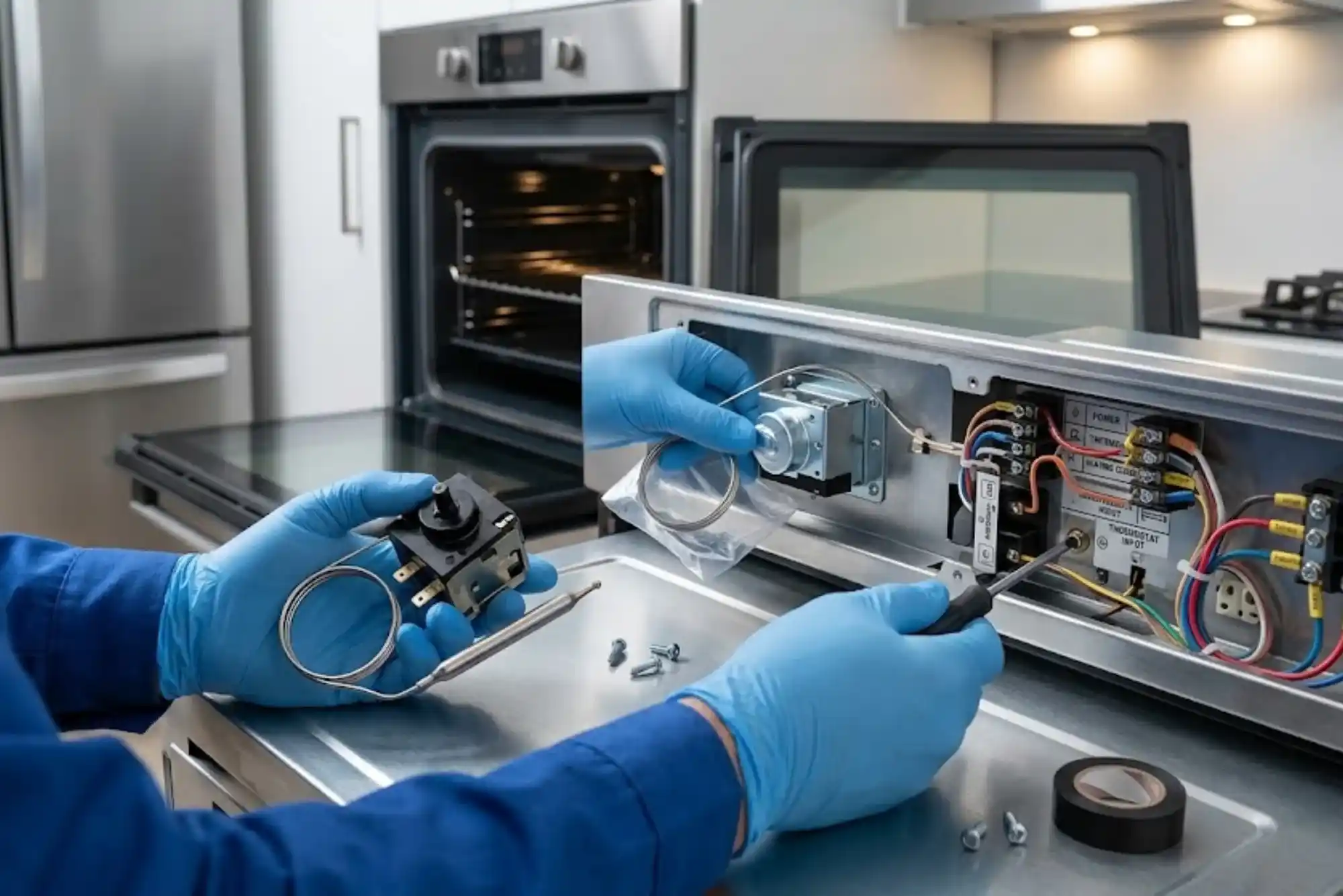
Dishwashers are essential modern kitchen appliances designed to save time, water, and effort. However, even the most advanced machines can develop performance issues over time due to regular wear, improper usage, or lack of maintenance. Understanding complete dishwasher repair solutions helps homeowners identify problems early and take the right corrective action before small issues turn into costly repairs.
This guide explains the most common dishwasher problems, structured troubleshooting methods, maintenance practices, and when professional support becomes necessary. The focus is on practical, real-world solutions that help extend appliance life and improve efficiency.
Common Dishwasher Problems and Quick Solutions
Most dishwasher issues can be traced back to a limited number of mechanical or electrical faults. Identifying them correctly is the first step toward repair.
| Problem | Likely Cause | Basic Solution |
|---|---|---|
| Water not draining | Clogged filter or pump blockage | Clean filter and inspect drain pump |
| No water filling | Faulty inlet valve or supply issue | Check water supply and valve |
| Poor cleaning | Spray arm blockage or detergent issues | Clean spray arms and adjust detergent |
| Water leakage | Damaged door seal or hose crack | Replace seals and inspect hoses |
| Dishwasher not starting | Electrical fault or door latch issue | Check latch and power supply |
Understanding Core Dishwasher Repair Solutions
Complete dishwasher repair solutions involve more than fixing visible symptoms. A proper approach focuses on diagnosing root causes, ensuring long-term reliability rather than temporary fixes. Many issues develop gradually, starting with reduced efficiency before leading to full system failure.
Common underlying issues include mineral buildup, blocked water pathways, worn mechanical parts, and sensor malfunctions. Regular inspection helps detect these early signs before they escalate.
Maintenance Schedule for Long-Term Performance
Consistent maintenance is the most effective way to avoid expensive repairs. Instead of reacting to breakdowns, a structured schedule helps keep the dishwasher in optimal condition.

| Time Period | Maintenance Task | Purpose |
|---|---|---|
| Weekly | Clean filter and remove food debris | Prevent clogging and odor buildup |
| Monthly | Inspect spray arms and door seal | Maintain washing efficiency and prevent leaks |
| Quarterly | Check hoses and internal drainage system | Avoid hidden blockages and water backup |
| Yearly | Professional inspection and deep cleaning | Ensure long-term system health |
Drainage Issues and Practical Fixes
One of the most frequent dishwasher complaints is poor drainage. When water remains inside after a cycle, it usually indicates a blockage or pump issue.
Instead of immediately assuming major damage, simple inspection often reveals the cause. Filters, drain hoses, and pump impellers should be checked regularly for debris accumulation. In many cases, cleaning these components restores normal function without replacement.
Why Dishwashers Fail to Fill with Water
Water supply problems can significantly affect cleaning performance. When the dishwasher does not fill properly, it cannot complete its washing cycle effectively.
Common causes include closed valves, faulty inlet components, or sensor errors. Ensuring proper water flow is essential for overall system efficiency and consistent cleaning results.
More detailed troubleshooting guidance is available in related appliance diagnostics resources such as dishwasher water filling issues.
Leak Detection and Prevention
Water leakage is one of the most damaging dishwasher issues because it can affect surrounding kitchen structures. Even small leaks should never be ignored.
Leaks usually originate from door seals, hose connections, or internal pump systems. Regular inspection of rubber gaskets and fittings helps prevent hidden water damage.
For better understanding of early warning signs, homeowners can refer to guides on detecting hidden dishwasher leaks.
DIY vs Professional Dishwasher Repair Solutions
Not all dishwasher problems require professional intervention. Some issues can be safely handled at home, while others demand technical expertise and specialized tools.
| Repair Type | DIY Feasibility | Professional Requirement |
|---|---|---|
| Cleaning filters and spray arms | Easy | Not required |
| Replacing door seals | Moderate | Optional |
| Fixing drainage blockage | Moderate | Sometimes required |
| Electrical control issues | Difficult | Required |
| Motor or pump replacement | Advanced | Required |
This comparison helps homeowners decide when to attempt repairs and when to seek expert assistance for safety and reliability.
Cleaning and Efficiency Improvements
A clean dishwasher performs significantly better than a neglected one. Over time, grease, food particles, and mineral deposits reduce efficiency and increase energy consumption.
Key cleaning focus areas include spray arms, filters, and internal water channels. Keeping these components clean ensures strong water pressure and consistent cleaning cycles.
Electrical and Sensor-Related Issues
Modern dishwashers rely heavily on sensors and electronic control systems. When these components malfunction, the appliance may behave unpredictably.
Common symptoms include interrupted cycles, failure to start, or random shutdowns. In such cases, advanced diagnostics are necessary to identify the faulty component accurately.
Preventive Care for Longer Appliance Life
Preventive care remains the foundation of all complete dishwasher repair solutions. Simple habits can significantly extend appliance lifespan and reduce repair frequency.
- Remove food residue before loading dishes
- Use recommended detergent quantities
- Run regular cleaning cycles
- Avoid overloading racks
- Inspect seals and hoses periodically
These small steps help maintain consistent performance and reduce long-term maintenance costs.
When Professional Help Becomes Necessary
While minor issues can often be resolved at home, certain problems require expert intervention. If the dishwasher repeatedly fails despite basic troubleshooting, professional diagnostics become essential.
Technicians use specialized tools to identify hidden faults in pumps, sensors, and electrical systems. Professional repair ensures safety, accuracy, and long-term reliability.
Conclusion
Complete dishwasher repair solutions are built on a balance of preventive maintenance, timely troubleshooting, and professional support when needed. Understanding how your dishwasher works and recognizing early warning signs can save both time and money.
With proper care, structured maintenance, and informed repair decisions, homeowners can ensure their dishwashers continue delivering efficient and reliable performance for years.
Related Reading: Dishwasher Repair Assistance