A dishwasher is one of the most convenient appliances in a modern home, saving time, effort, and ensuring your dishes are cleaned thoroughly. When this essential appliance suddenly stops working, it can quickly become frustrating, especially if the issue is related to water not filling inside the unit.
Without water, your dishwasher cannot function properly, leaving you with dirty dishes and extra work. Understanding why your dishwasher is not filling with water is important not only for troubleshooting but also for ensuring that the appliance is maintained in good condition.
Dishwashers are complex machines with many internal and external components that work together to provide a smooth washing cycle. The filling of water is one of the very first steps in the process, and if this step fails, the entire cycle is interrupted.
A problem like this can occur due to mechanical faults, plumbing issues, or even user-related errors. In this detailed guide, we will explore the possible causes of why a dishwasher does not fill with water, the steps you can take to identify the problem, and when it is time to call for professional repair services.
The Role of Water in Dishwasher Operation
Water is the most essential element for a dishwasher to perform its cleaning function. The appliance begins its wash cycle by drawing in the right amount of water through a dedicated valve connected to your home’s plumbing. This water then mixes with detergent and is sprayed onto dishes at high pressure to remove grease, food residues, and stains. Without an adequate water supply, the detergent cannot dissolve properly, and the spray arms cannot function effectively.
When water fails to enter the dishwasher, the appliance may run through cycles without actually cleaning the dishes. In some cases, you may even hear the dishwasher running, but when you open it at the end of the cycle, the dishes remain dirty because no water was circulated. This makes it essential to identify and resolve the underlying issue promptly.
Common Causes of a Dishwasher Not Filling with Water
Several reasons may prevent your dishwasher from filling with water. At times, the cause may be something simple, such as the water supply being accidentally turned off, while in other cases, it could be a malfunctioning component inside the appliance. Understanding the potential causes can help in narrowing down the problem.
One of the primary culprits is the water inlet valve, which controls the flow of water into the dishwasher. If this valve becomes clogged, faulty, or damaged, water may not enter the appliance. Another possible reason is a problem with the float switch, which is a safety device designed to prevent overfilling. If the float switch is stuck in the “up” position, it may trick the dishwasher into thinking it already has enough water, thus preventing more from entering.
Issues with the door latch can also stop the dishwasher from filling with water. Since the appliance is designed to operate only when the door is securely closed, a faulty latch can interfere with its ability to begin the water intake process. Electrical problems such as wiring issues or malfunctioning control boards are also possible causes, especially in modern dishwashers that rely heavily on sensors and electronic commands.
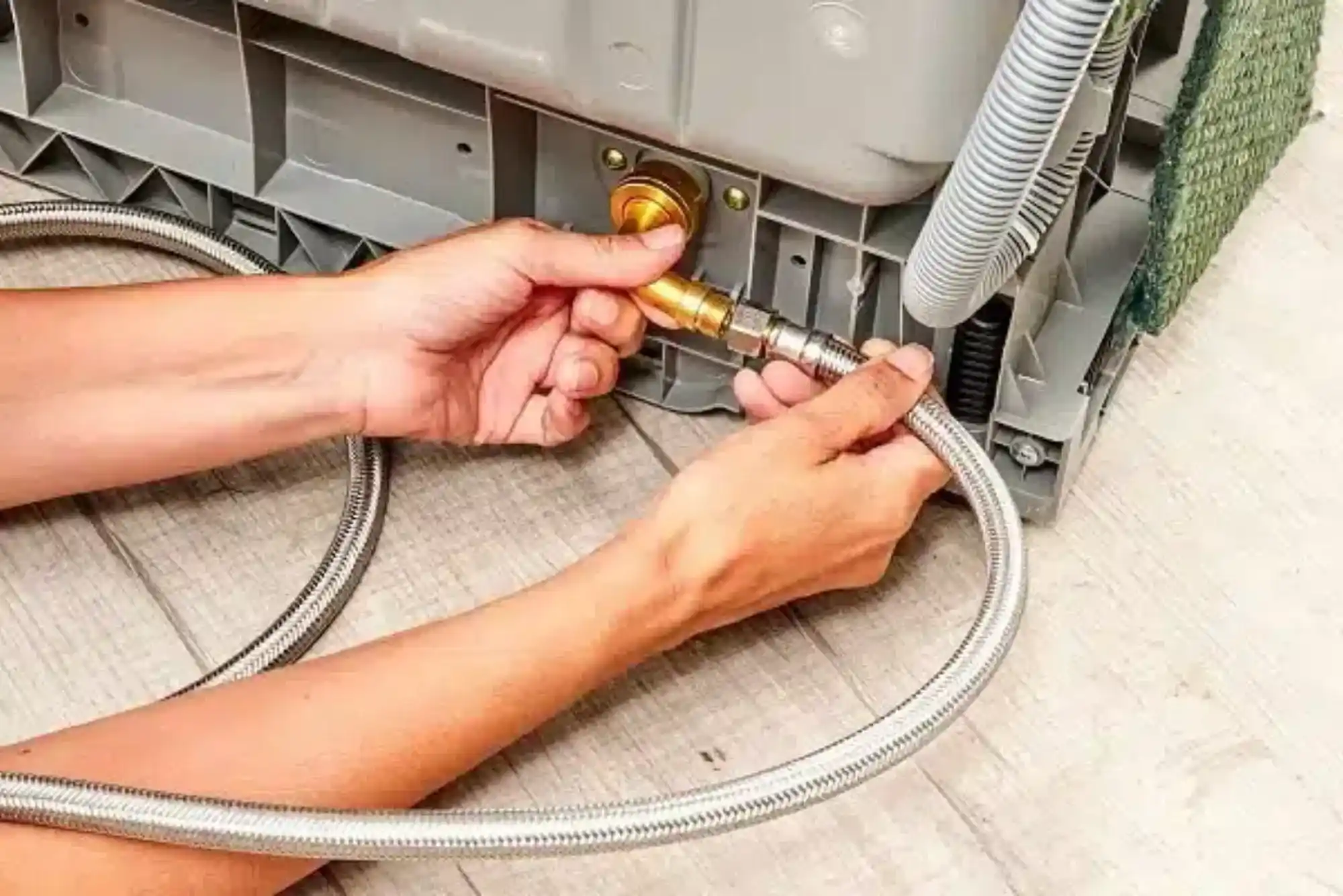
Sometimes, the issue may not be within the dishwasher itself but in the household plumbing. A blocked or kinked supply hose, low water pressure, or a shut-off valve that is not fully open can restrict water flow. All these possibilities need to be carefully examined before a solution is applied.
Signs That Indicate a Water Filling Problem
It is not always immediately obvious that your dishwasher is failing to fill with water. Some dishwashers continue to run through their cycles even if there is no water inside. However, there are signs you can watch for that indicate this problem.
When you start the dishwasher and notice that it sounds unusually quiet or that the wash cycle finishes quickly, it may be due to a lack of water. After opening the appliance at the end of the cycle, you may find the dishes still dirty or detergent left undissolved at the bottom of the tub. Another sign is if you open the dishwasher during a cycle and see no water inside.
These symptoms should not be ignored. Running a dishwasher without water can cause internal components, such as the pump and heating element, to become stressed and potentially damaged over time. Identifying the issue early can help prevent further complications.
Troubleshooting and Professional Inspection
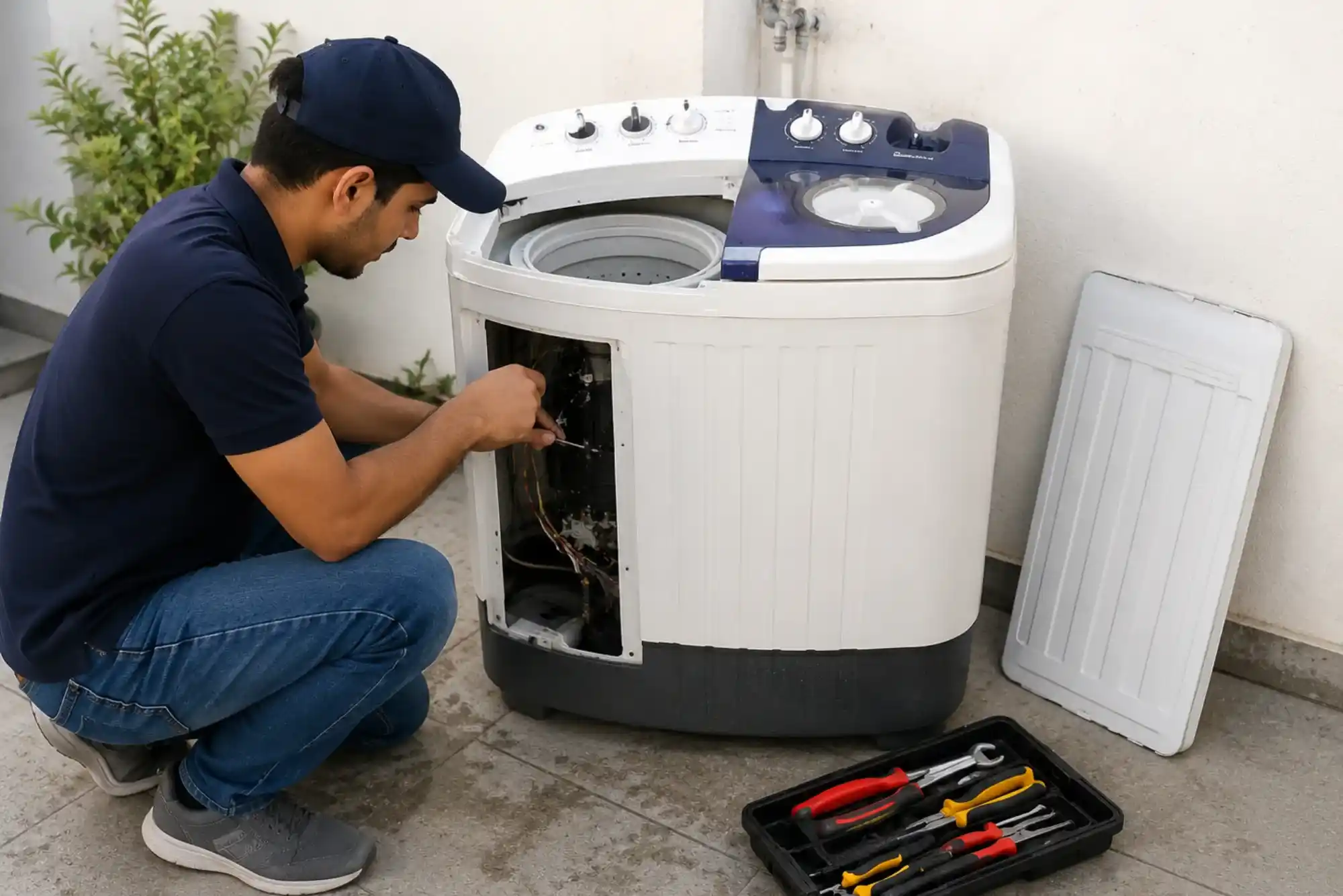
While it is possible for homeowners to check basic things like whether the water supply valve is turned on or if the supply hose is kinked, most issues related to a dishwasher not filling with water require professional inspection. Appliance repair specialists have the tools, knowledge, and experience to test electrical components, replace faulty parts, and restore the dishwasher to proper working order.
Attempting to repair complex components without the right expertise can lead to further damage or even safety risks. For example, replacing a water inlet valve requires handling both electrical wiring and water connections, which can be challenging without proper training. Likewise, diagnosing problems in the control board or float switch involves technical expertise.
Professional repair services also ensure that the issue is correctly diagnosed. At times, what may appear to be a faulty part could actually be a problem elsewhere in the system. A trained technician can save both time and money by identifying the exact cause and applying the right solution the first time.
Preventive Maintenance for a Smooth-Running Dishwasher
Preventing your dishwasher from developing filling issues begins with regular maintenance and proper usage. Always ensure that the water supply valve is fully open and check the hose periodically for kinks or blockages. Cleaning the filter inside the dishwasher helps prevent buildup that can interfere with water flow.
Avoid overloading the dishwasher, as too many dishes can block the movement of the float switch and lead to incorrect signals about water levels. It is also a good practice to run a cleaning cycle with a dishwasher cleaner or vinegar periodically to remove grease, limescale, and detergent buildup that can impact performance.
Scheduling annual maintenance with a professional technician can extend the life of your appliance. During such service visits, the technician can inspect components, check electrical connections, and ensure the dishwasher operates efficiently.
When to Call for Professional Help
If basic checks such as ensuring the water valve is open and the hose is not obstructed do not solve the issue, it is time to call a professional repair service. Dishwashers are sophisticated appliances, and their repair often involves working with electrical and plumbing systems simultaneously.
Professional technicians can test parts like the water inlet valve, float switch, and control board using specialized tools. They can also ensure that replacements are done with genuine parts that match your dishwasher model. By relying on expert help, you can restore your dishwasher to optimal working condition and prevent recurring issues.
Final Thoughts
A dishwasher not filling with water is a problem that disrupts the convenience we rely on in our daily routines. From faulty valves and float switches to plumbing restrictions and electrical issues, several factors can cause this common problem. While homeowners can check for simple issues like a closed water supply or blocked hose, most causes require professional inspection and repair.
Taking care of your dishwasher through regular maintenance, proper loading, and professional servicing can help prevent water filling problems in the future. And when issues do arise, calling an expert ensures a safe, effective, and lasting solution.
A dishwasher is more than just an appliance—it is an essential part of maintaining a clean and organized household. Addressing issues promptly, especially when it fails to fill with water, keeps your home running smoothly and saves you from unnecessary stress and inconvenience.