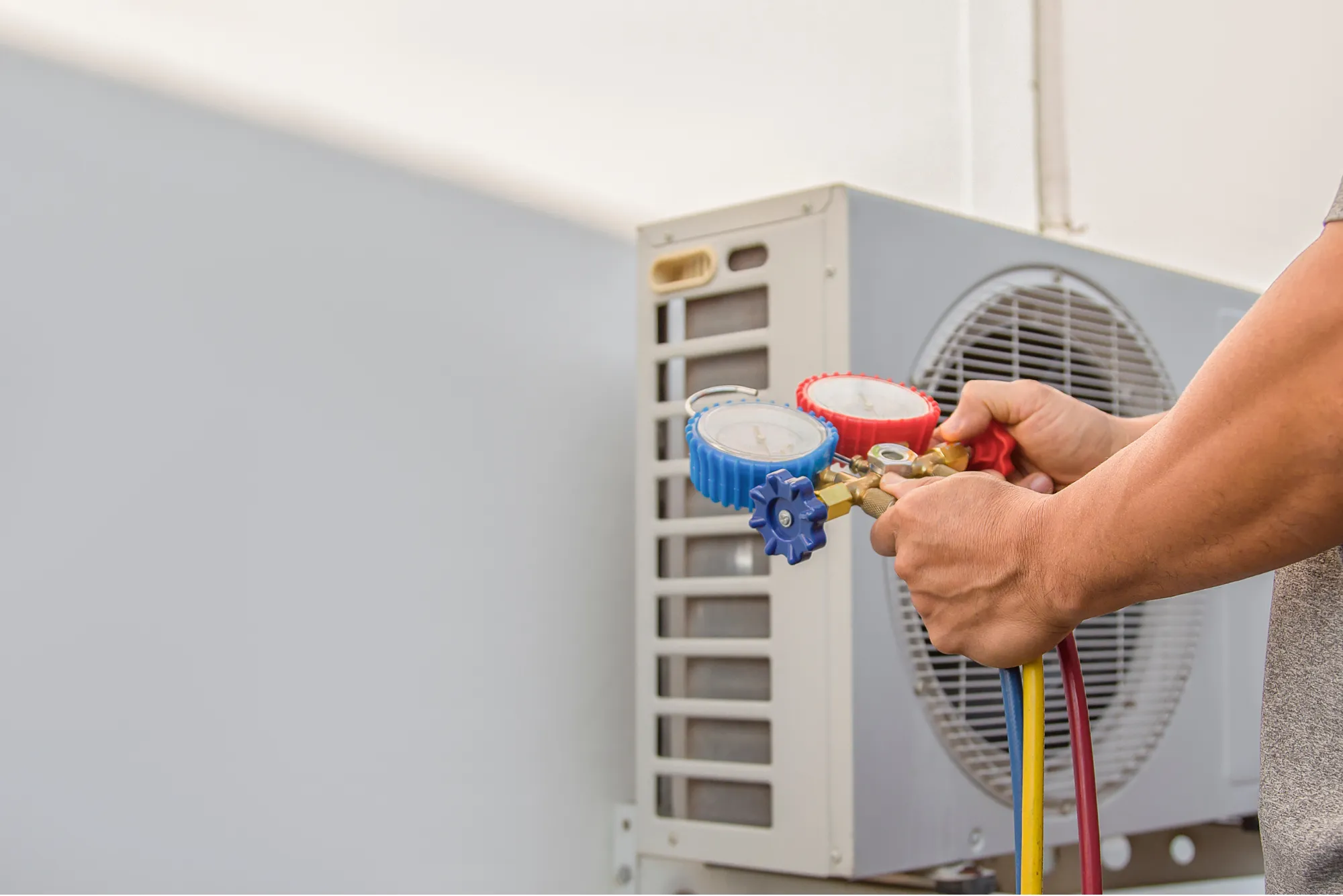
Understanding the Importance of Proper Refrigerant Charging
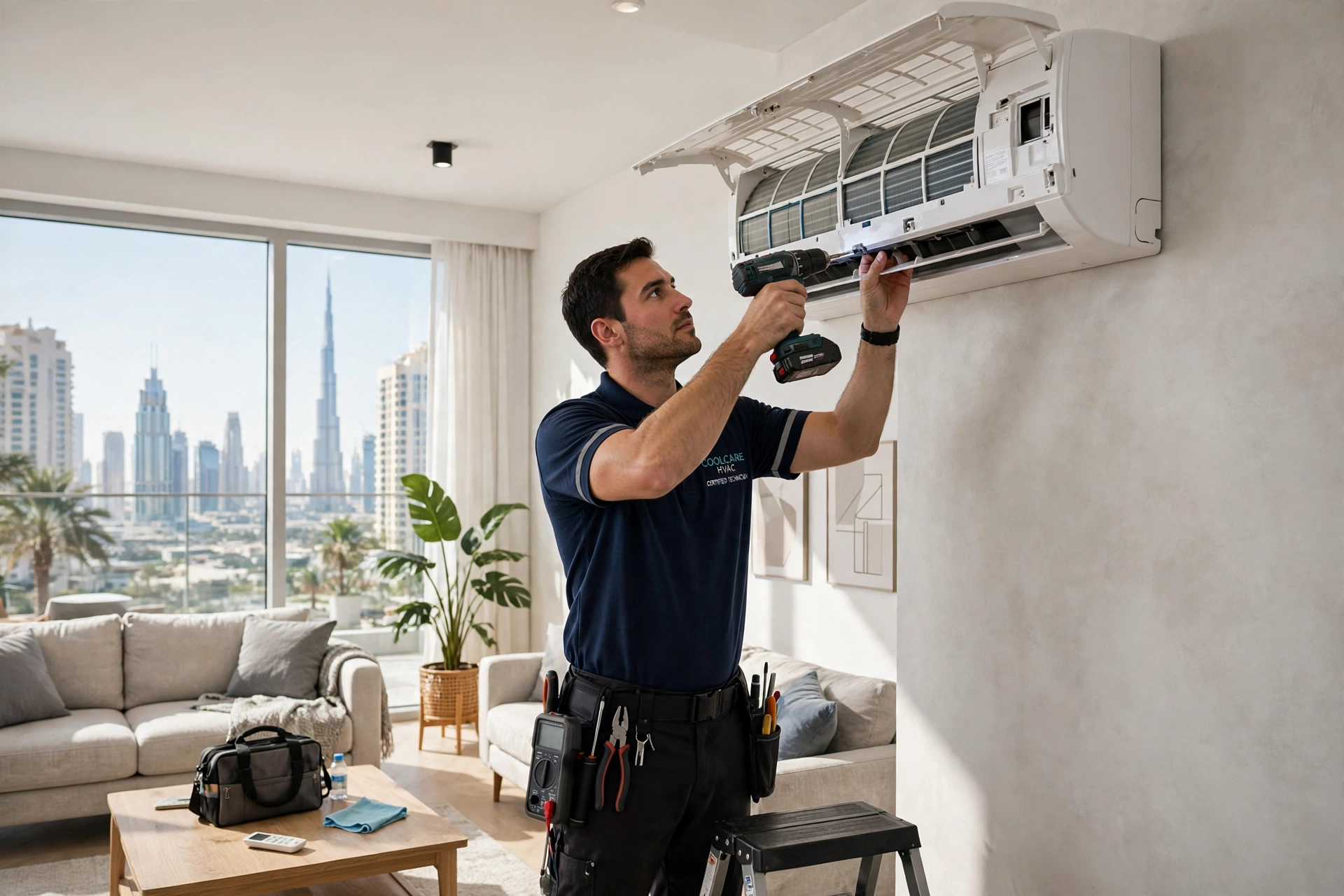
Choosing the right refrigerant charge for your air conditioner is one of the most crucial steps in ensuring efficient cooling performance, energy savings, and system longevity. Whether you’re installing a new AC unit or maintaining an existing one, proper refrigerant levels directly affect how well the system operates.
Refrigerant acts as the medium that transfers heat from inside your home to the outside. If the refrigerant charge is too low or too high, it can cause inefficient cooling, high energy bills, frequent breakdowns, and even permanent damage to your AC components. Therefore, understanding how to select the correct refrigerant charge is essential for technicians and informed homeowners alike.
Knowing the Type of Refrigerant Used in Your System
The first step in determining the right refrigerant charge is identifying which type of refrigerant your AC unit is designed to use. Not all systems are compatible with every type of refrigerant. Older systems may use R-22, which is being phased out due to environmental concerns, while most modern units use R-410A or newer eco-friendly refrigerants such as R-32.
Each refrigerant type operates under different pressure and temperature parameters. Using the wrong type, or mixing refrigerants, can damage the compressor or contaminate the system. Always check the manufacturer’s specifications listed on the nameplate of the AC unit or in the user manual to confirm the correct refrigerant type.
Evaluating Factory-Specified Refrigerant Charge
Every air conditioning system comes with a factory-specified refrigerant charge level, typically based on standard conditions and expected line set lengths. This specification is given in pounds and ounces and is essential for a baseline understanding of how much refrigerant should be present in the system.
However, real-world installation conditions can vary. If the copper refrigerant lines are longer or shorter than the factory default, or if elevation differences between the indoor and outdoor units exist, refrigerant adjustments are usually needed. That’s where field measurement and expertise come into play.

Understanding Subcooling and Superheat Methods
Two primary methods are used by HVAC technicians to ensure the correct refrigerant charge: subcooling and superheat. These measurements help determine if the refrigerant is properly flowing through the evaporator and condenser coils.
Subcooling is commonly used for systems with a thermostatic expansion valve (TXV). It measures the temperature of the refrigerant after it has condensed but before it enters the expansion valve. Proper subcooling values ensure the system isn’t overcharged or undercharged.
Superheat is more applicable to systems with a fixed orifice metering device. It measures the temperature of the refrigerant gas after it has passed through the evaporator coil. This helps determine whether enough liquid refrigerant is entering the evaporator.
By checking these values against manufacturer guidelines, AC Refrigerant Charge , a technician can fine-tune the refrigerant charge accurately, improving system efficiency and preventing compressor issues.
Considering Ambient Temperature and Environmental Conditions
Environmental factors play a significant role in determining how refrigerant behaves inside an air conditioning system. High outdoor temperatures can increase system pressure, while lower temperatures may cause refrigerant to condense more easily.
It’s important to charge the system during appropriate weather conditions, ideally when outdoor temperatures are between 70°F and 95°F (21°C to 35°C). Charging an AC in colder temperatures can lead to overcharging once ambient temperatures rise.
Technicians often use pressure-temperature charts and digital gauges to factor in current weather conditions while assessing subcooling or superheat values. Charging blindly without considering ambient temperature can result in significant cooling inefficiencies.
Using Weighing Scales for Precise Charging
The most accurate way to charge a system with refrigerant is by weight. Professional HVAC technicians use digital refrigerant scales to measure the exact amount of refrigerant added or removed. This ensures that the system receives the precise charge recommended by the manufacturer.
Weighing is especially important when installing a new unit or recovering and recharging refrigerant during major repairs. Relying on pressure readings alone without using a scale can easily lead to undercharging or overcharging, both of which affect performance and component lifespan.
Understanding the Effects of Overcharging and Undercharging
An overcharged air conditioner can exhibit high pressure in the system, resulting in overheating of components, reduced cooling efficiency, and potential compressor failure. Additionally, excess refrigerant can cause liquid slugging, where liquid enters the compressor, leading to irreversible damage.
On the other hand, an undercharged system won’t provide adequate cooling. It can cause the evaporator coil to freeze, reduce airflow, and stress the compressor as it struggles to maintain the desired indoor temperature.
Maintaining the correct charge level ensures optimal coil temperature, balanced pressure, and consistent indoor comfort. It also minimizes wear on mechanical parts, prolonging system life and reducing the need for expensive repairs.
Charging Methods for Different AC Systems
Different types of AC systems have unique charging procedures.
Split Systems often require refrigerant adjustment based on line set length. Manufacturers provide charts to help determine how much refrigerant to add or subtract based on actual pipe length and vertical rise.
Packaged Units typically come pre-charged from the factory, and adjustments are only necessary if there is a leak or after system servicing.
Ductless Mini-Splits often have pre-charged refrigerant for a standard line length. For longer installations, additional refrigerant must be weighed in precisely to avoid errors.
Each system type comes with its own considerations, but the universal rule is always to follow manufacturer guidelines and use proper tools and methods for charging.
Tools and Equipment for Accurate Charging
Professional AC charging requires the right tools. These include:
- Digital manifold gauges
- Refrigerant recovery machines
- Vacuum pumps
- Refrigerant scales
- Temperature clamps
- Pressure-temperature reference charts
Technicians must also be trained in refrigerant handling, Post Category , as improper procedures can lead to safety hazards, system contamination, or environmental damage.
Having up-to-date equipment and certification ensures that refrigerant is handled safely and systems are charged to exact specifications.
Preventing Refrigerant Leaks After Charging
Even after a perfect charge, refrigerant leaks can occur if connections are not properly sealed or if there’s corrosion in the lines. After charging, technicians should always test for leaks using electronic leak detectors, nitrogen pressure tests, or soap bubble methods.
Any leaks detected must be repaired before the system is released back into service. Regular maintenance and annual inspections can help detect leaks early and maintain the efficiency of the cooling system.
Following Environmental and Legal Regulations
Refrigerants are regulated due to their potential environmental impact. Some refrigerants are classified as ozone-depleting substances, while others contribute to global warming. It’s important to comply with local environmental laws when selecting and handling refrigerants.
Technicians must be licensed and follow best practices during recovery, recycling, and disposal. Choosing low-GWP (Global Warming Potential) refrigerants where possible is not only eco-friendly but also future-proof, as older refrigerants are gradually being phased out worldwide.
Achieving Optimal Performance with the Right Charge
Selecting and applying the right refrigerant charge is a combination of science, precision, and experience. It starts with identifying the correct refrigerant type and includes evaluating system specifications, understanding environmental factors, and using proper tools and methods.
A properly charged AC system runs efficiently, provides better indoor comfort, reduces energy costs, and lasts longer. For both technicians and knowledgeable homeowners, understanding the importance of correct refrigerant charging is essential for responsible and high-performing air conditioning use.
With rising energy costs and stricter environmental regulations, paying attention to refrigerant charging practices is more important than ever. Making informed decisions during installation and maintenance ensures comfort, safety, and sustainability for years to come.