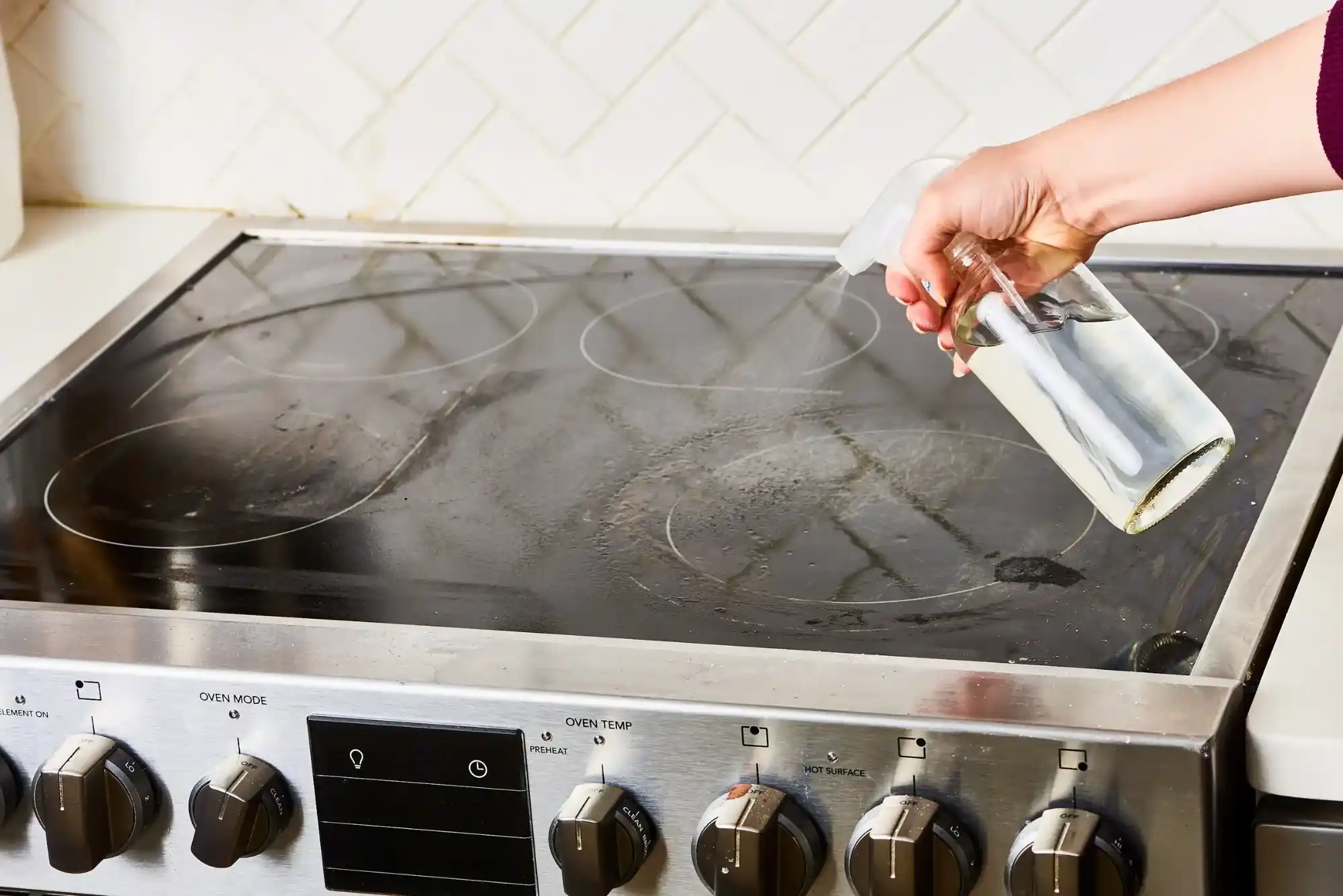
Glass-top stoves have become a popular choice in modern kitchens, prized for their sleek appearance, space-saving design, and ability to distribute heat evenly. However, their smooth surface also makes them highly susceptible to stains, streaks, and burnt-on residue. Cleaning a glass-top stove is not as simple as wiping it with a damp cloth. The surface requires specific care, the right materials, and proper techniques to maintain its pristine look while preventing scratches or permanent damage.
This comprehensive guide explains everything you need to know about cleaning stove glass-top surfaces. From understanding why they require unique care to learning daily maintenance practices and deep-cleaning methods, the goal is to help you achieve a spotless cooking surface that retains its shine for years.
Why Glass-Top Stoves Need Special Care
Unlike traditional gas ranges with metal grates or coil stoves with removable elements, glass-top models consist of a single smooth panel of ceramic-glass. This design is visually elegant, but it is also more delicate than metal. Food spills, sugar residues, and burned oils can leave behind marks that bond tightly with the surface. Scrubbing too aggressively or using the wrong cleaner can leave scratches, dull spots, or even cracks.
The glass surface also magnifies imperfections. A small streak or greasy fingerprint is far more noticeable on a glass-top stove than on a textured surface. That is why proper cleaning is essential, not just for hygiene but also for preserving the visual appeal of the appliance.
Preparing the Stove for Cleaning
The first rule of cleaning a glass-top stove is safety. Always allow the cooktop to cool completely before attempting to clean it. Touching the surface while it is still hot can cause burns, and applying cleaning solutions on hot glass may leave behind streaks or permanent marks.
Once cooled, remove any removable parts such as knobs, if applicable, to gain full access to the surface. A dry microfiber cloth can be used initially to wipe away loose crumbs or dust. This simple preparation ensures you are not rubbing debris across the glass during deeper cleaning, which can cause fine scratches.

The Role of Cleaning Tools and Materials
Choosing the correct tools is essential. A soft microfiber cloth is preferable to paper towels, which can leave lint behind. For stubborn residue, a non-abrasive scrubbing pad or sponge is recommended. Avoid steel wool, scouring pads, or any product marketed as abrasive, as these can leave visible scratches on the stove.
In terms of cleaning products, specially formulated glass-top stove cleaners are widely available. These solutions are designed to lift residue without harming the delicate surface. Baking soda mixed with water also serves as a safe, natural alternative for tackling stuck-on grime. A single-edge razor blade, when used carefully at a shallow angle, can be employed for removing burnt residues that resist wiping.
Routine Daily Cleaning Practices
Daily maintenance is the key to keeping a glass-top stove looking new. After cooking, once the stove has cooled, a gentle wipe with a damp microfiber cloth removes surface smudges and spills before they harden. For light grease or water spots, a small amount of dish soap diluted in warm water is often sufficient.
This quick routine prevents buildup and reduces the need for more intensive scrubbing later. The benefit of addressing small messes right away is that sugars, oils, and sauces do not have the chance to burn into the surface, which is what makes stains so stubborn.
Removing Burnt-On Residue Safely
Even with careful daily cleaning, occasional spills can burn onto the glass. Removing these requires a more methodical approach. One of the most effective methods is to apply a thin layer of a specialized glass-top stove cleaner over the cooled surface. Allow it to sit for a few minutes to soften the residue. Then, using a non-abrasive sponge or soft cloth, gently work the cleaner into the spot in circular motions.
For tougher patches, a razor blade scraper is the tool of choice. Hold the blade at a shallow angle—about 45 degrees—and carefully push it under the residue. The motion should be smooth and controlled to avoid gouging the glass. Once the burnt material lifts, wipe away the debris with a damp cloth and follow up with a polishing pass to restore clarity.
Tackling Grease and Cloudy Film
Grease splatters and oily residue often leave behind a hazy film on glass-top stoves. This cloudy appearance is particularly visible under kitchen lighting and can make even a clean stove look dirty. To address this, apply a degreasing cleaner or a small amount of vinegar diluted with water. Vinegar works well because it cuts through oils while evaporating quickly, reducing streaks.
After applying the solution, wipe with a microfiber cloth, then buff the surface dry. This not only eliminates the film but also leaves behind a polished finish that enhances the reflective quality of the glass.
Dealing with Sugar Spills
Sugar is one of the most problematic substances for glass-top stoves. When melted, it caramelizes and bonds tightly to the glass, sometimes causing permanent marks if not addressed promptly. If sugar spills while cooking, the safest course of action is to turn off the stove immediately and allow it to cool just enough to avoid burns but remain slightly warm. At this stage, carefully scrape away the sugar with a razor blade before it hardens fully.
If the spill has already cooled and hardened, use a specialized cleaner designed for sugar removal. Applying the cleaner and allowing it to soak can help loosen the bond before scraping. Regular prevention—such as covering pots when cooking sweet sauces—also reduces the likelihood of sugar damage.
Restoring Shine After Deep Cleaning
After removing stains and residue, the final step is to restore the stove’s glossy appearance. Apply a small amount of glass-top stove polish or a cleaner formulated with silicone, which leaves behind a protective layer. Spread the polish evenly with a microfiber cloth, then buff until the surface gleams.
This protective layer makes future cleaning easier because spills are less likely to adhere as strongly. It also reduces the visibility of fine scratches and enhances the stove’s overall aesthetic.
Long-Term Maintenance Habits
Keeping a glass-top stove in excellent condition requires more than occasional deep cleaning. Simple habits make a significant difference over time. Always lift pots and pans instead of sliding them to prevent scratches. Use flat-bottomed cookware that sits evenly on the surface to avoid concentrated pressure points. Wipe up spills as soon as it is safe to do so, and schedule a thorough cleaning at least once a week to remove any hidden buildup.
Additionally, avoid placing plastic utensils, bags, or covers on the hot surface, as these can melt and cause permanent marks. Being mindful during cooking and handling cookware with care ensures that cleaning efforts remain effective for the long run.
Common Mistakes to Avoid
Many homeowners inadvertently damage their glass-top stoves by using the wrong cleaning products or techniques. One of the most common mistakes is using abrasive powders or scouring pads, which leave visible scratches. Another error is applying cleaners directly onto a hot surface, which can cause streaking or even chemical discoloration.
Some attempt to use oven cleaner sprays or bleach on the glass, but these are too harsh and can damage the finish. Excessive water should also be avoided, as it can seep into the electrical components of the stove. Recognizing these pitfalls helps preserve the surface and extend the life of the appliance.
Environmental and Natural Cleaning Alternatives
For those who prefer eco-friendly methods, several natural cleaning solutions are highly effective for glass-top stoves. Baking soda, when sprinkled on stubborn spots and dampened with a vinegar spray, creates a foaming reaction that helps lift grime. Lemon juice offers similar benefits for breaking down grease while leaving behind a fresh scent.
Microfiber cloths themselves are environmentally sustainable, as they can be washed and reused countless times, reducing paper towel waste. These approaches allow you to keep the stove spotless while minimizing chemical exposure and environmental impact.
When to Seek Professional Help
In rare cases, damage to a glass-top stove may go beyond what can be addressed at home. Deep scratches, cracks, or discoloration that does not respond to cleaning may require professional assessment. Manufacturers often provide guidance for such issues, and authorized service providers can recommend replacement panels if needed.
Seeking help early prevents small issues from escalating into costly repairs. If your stove is under warranty, professional servicing may also be covered, ensuring peace of mind.
The Connection Between Cleanliness and Kitchen Safety
A spotless stove is not just about appearance—it is also about safety. Burnt-on residues can interfere with heat distribution, potentially causing cookware to heat unevenly. Sticky surfaces may even cause pans to wobble or slide. Additionally, built-up grease poses a fire hazard if left unchecked.
Maintaining a clean glass-top stove therefore contributes to both the efficiency of your cooking and the overall safety of your kitchen environment.
A Clear Path to a Spotless Stove
Cleaning a glass-top stove is both an art and a routine. With the right preparation, appropriate tools, and safe cleaning techniques, you can maintain the glossy surface in its original condition. Daily habits such as wiping spills quickly, weekly deep cleaning, and polishing for shine ensure the stove remains both functional and visually striking.
Avoiding harsh chemicals and abrasives, understanding the special challenges posed by substances like sugar, and incorporating eco-friendly cleaning methods help you strike a balance between effectiveness and safety. Over time, these practices not only preserve the appearance of your stove but also improve your cooking experience.
A gleaming glass-top stove is more than a kitchen fixture—it is a reflection of care, attention, and pride in your culinary space. By following these guidelines, you ensure that this essential appliance remains a centerpiece of your kitchen for years to come.