When an oven stops working properly, many homeowners and technicians immediately assume that heating elements or electronic controls are at fault. Yet one of the most common and often overlooked sources of failure is the motor. Modern ovens rely on motors for several critical functions: turning fans that circulate hot air, driving turntables in certain models, or powering mechanical timers. A motor that is underperforming, misaligned, or completely burned out can disrupt the entire cooking process. Diagnosing oven motor failures is therefore essential for both safety and efficiency, whether you are a professional repair technician or a skilled do-it-yourselfer.
Understanding how motors function within an oven, recognizing the signs of failure, and methodically testing components helps ensure accurate repairs. This guide explores the science behind oven motors, explains the symptoms that point to failure, and walks through practical diagnostic steps that anyone with a multimeter and patience can carry out safely.
The Critical Role of Motors in Modern Ovens
Oven design has evolved beyond simple heating elements controlled by thermostats. Convection ovens, for example, depend on a fan motor to move hot air uniformly across racks, reducing cooking time and ensuring even browning. Microwave ovens with combination cooking features use turntable motors to rotate food for consistent heating. Even mechanical timer systems in older ovens rely on small synchronous motors to regulate cooking cycles.
Because motors operate continuously in high-heat environments, they face significant stress. Bearings can dry out, windings can short, and insulation can break down under prolonged exposure to elevated temperatures. When a motor fails, the oven may still generate heat but will no longer cook food evenly, safely, or efficiently. Understanding these interconnections emphasizes why motor diagnostics are as critical as checking heating elements or electronic boards.
Recognizing Early Warning Signs of Motor Trouble
Motor failures rarely happen without warning. Most problems develop gradually, and recognizing the subtle signals can prevent complete breakdowns. Unusual noises, such as rattling, humming, or grinding, often indicate worn bearings or obstructions in the fan blades. A motor that struggles to start or operates intermittently may signal electrical problems, including failing capacitors or winding faults.
In some cases, airflow diminishes inside convection ovens, leading to uneven baking or hot spots. This symptom is often misdiagnosed as a thermostat issue when the true culprit is a weakening fan motor. Similarly, a microwave turntable that rotates erratically can suggest problems with the turntable motor, even though the heating component appears unaffected. By connecting these symptoms to potential motor faults, technicians can save time and avoid unnecessary part replacements.

Safety Considerations Before Diagnosing Motors
Before beginning any motor diagnostic procedure, safety must come first. Ovens operate on mains electricity, and mishandling can result in severe shock or injury. The appliance should always be disconnected from power at the plug or breaker before panels are removed. Even after disconnection, capacitors in certain models may retain charge, requiring careful handling with insulated tools.
Protective equipment such as insulated gloves, safety goggles, and a non-contact voltage tester should be considered standard practice. When working in confined areas behind the oven or within its cavity, proper ventilation and good lighting reduce mistakes. Safety protocols not only protect the technician but also preserve the integrity of the oven’s wiring and components during disassembly and inspection.
Inspecting the Physical Condition of the Motor
The first stage of diagnosis is visual inspection. Removing the rear or top panel of an oven exposes the motor housing and surrounding components. Signs of discoloration, burnt insulation, or melted plastic may indicate overheating. Dust, grease, or food particles can also clog ventilation paths, forcing the motor to run hotter than intended.
Fan blades connected to the motor shaft should rotate freely without wobbling. Resistance, grinding, or looseness points to mechanical failure within the bearings or shaft alignment. A motor covered in residue or showing evidence of physical strain has likely been underperforming for some time. Documenting these observations helps guide the next diagnostic steps and prepares for potential replacement decisions.
Electrical Testing with a Multimeter
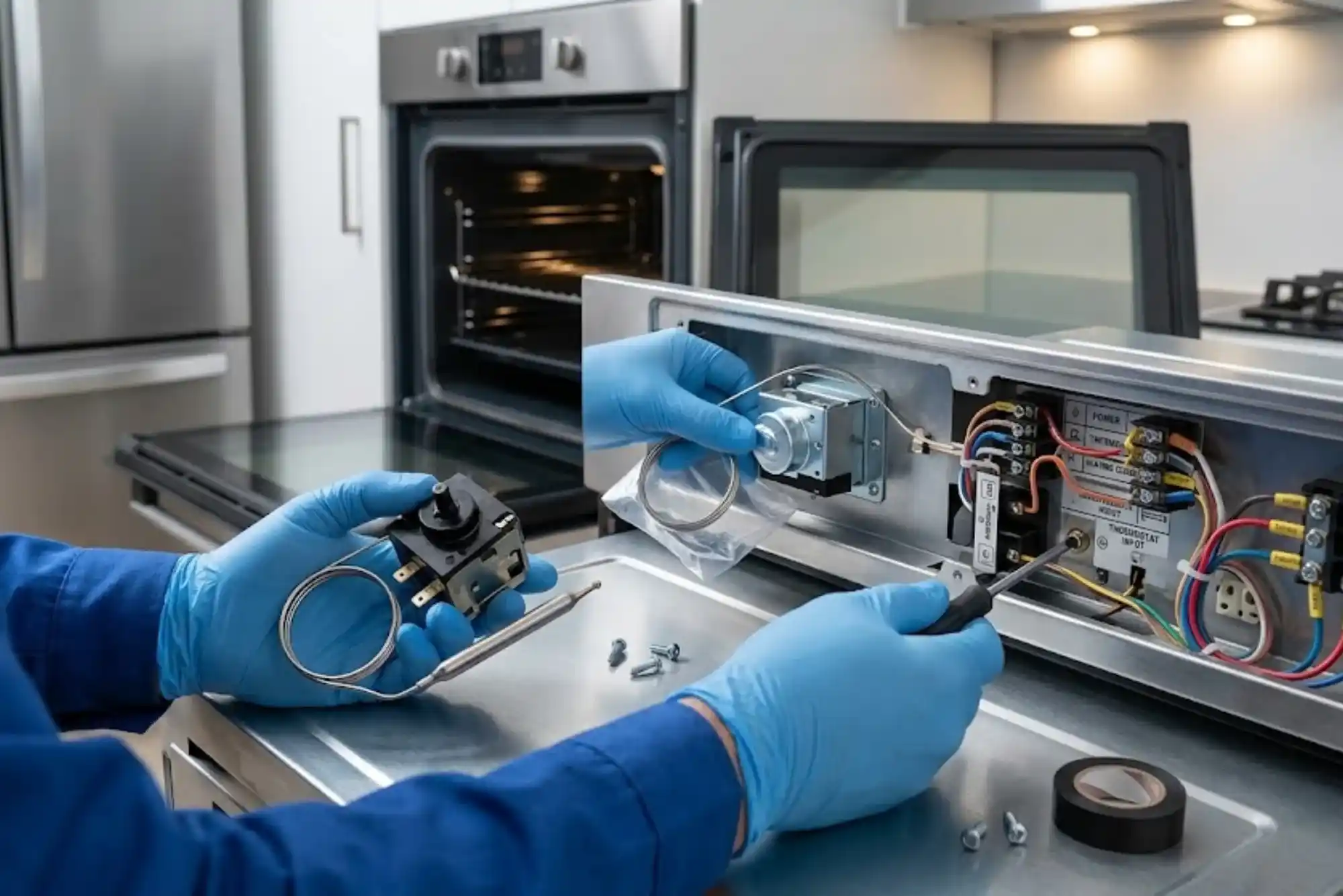
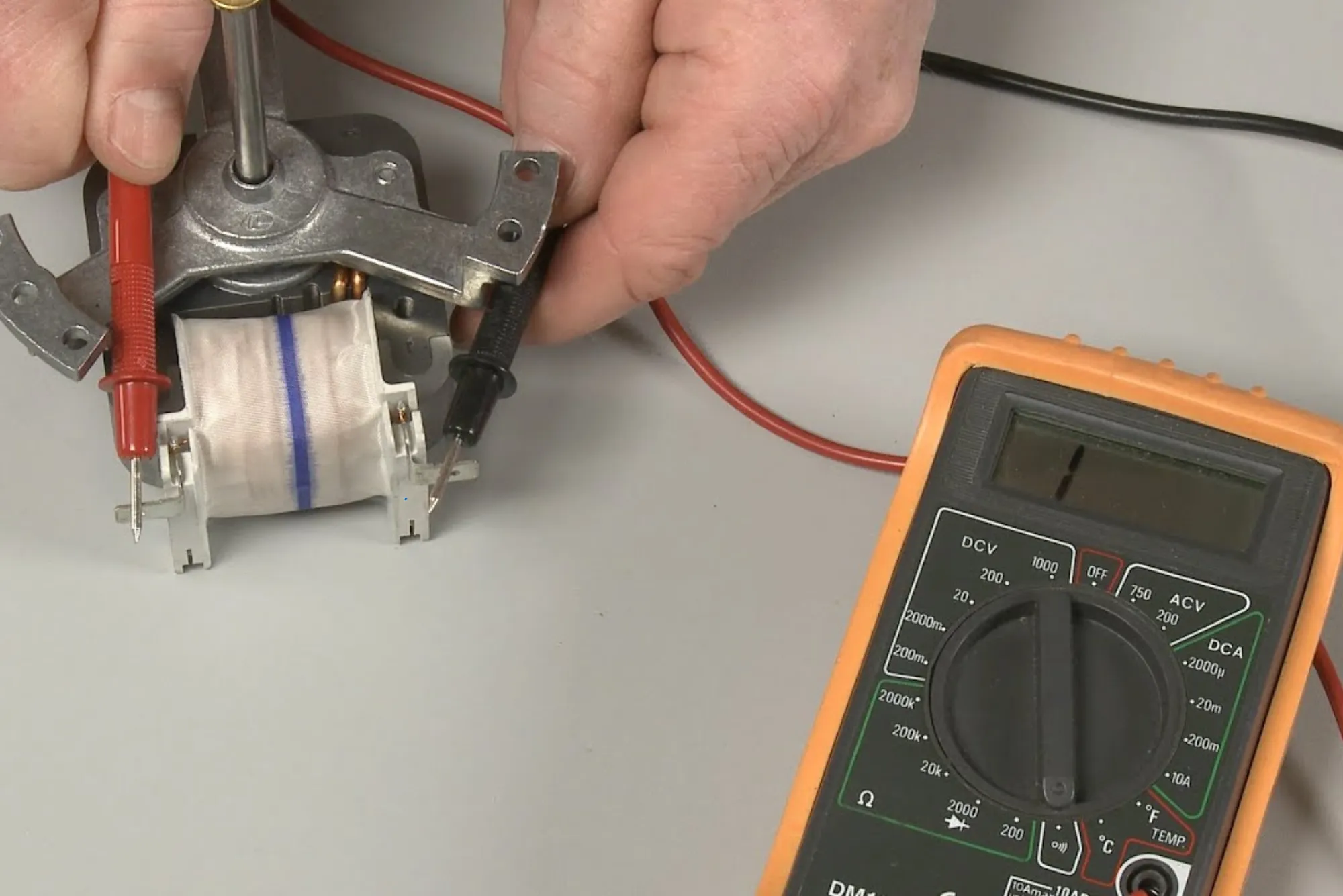
While visual inspection provides clues, electrical testing confirms whether a motor has failed. Using a digital multimeter set to measure resistance, technicians can test continuity across motor windings. An open circuit suggests a broken winding, while resistance values significantly outside manufacturer specifications indicate deterioration.
Testing for short circuits between motor windings and the metal housing is equally important. A short to ground not only renders the motor unusable but also poses a safety risk. In some cases, a motor may display correct resistance but still fail under load. For these instances, testing current draw while the oven is in operation, with appropriate safety precautions, provides further confirmation.
Capacitor-assisted motors require additional checks. A weak or failed capacitor can mimic motor failure by preventing startup or reducing torque. Measuring capacitance with the multimeter verifies whether replacement of the capacitor alone resolves the problem, avoiding unnecessary motor replacement.
Common Motor Failures in Convection Ovens
Convection ovens are particularly reliant on motor-driven fans. Failure of this motor leads to uneven heating, extended cooking times, or complete malfunction of the convection setting. The most frequent issues include dried-out bearings, which generate noise and vibration, or overheated windings, which cause sudden shutdown.
Obstructions such as food debris or warped fan blades can also overload the motor. Left unchecked, this stress accelerates wear and ultimately burns out the winding insulation. Regular maintenance, such as cleaning fan blades and ensuring ventilation passages are clear, significantly reduces the likelihood of these failures.
Diagnosing Microwave Turntable Motor Failures
Microwave ovens with turntables rely on a small synchronous motor to rotate the glass plate. A failure here leads to uneven heating and localized hot spots in food. Diagnosing these motors requires access to the base of the unit, where the turntable motor is usually located behind a protective cover.
Symptoms of failure include complete stoppage of rotation, intermittent spinning, or jerky movements. Testing with a multimeter for continuity across the motor’s terminals quickly reveals whether the windings are intact. Because these motors are inexpensive and operate under continuous stress, replacement is often more practical than repair once failure is confirmed.
Intermittent Failures and Environmental Factors
Not all oven motor problems present as outright breakdowns. Intermittent failures, where the motor works at times and fails at others, are among the most challenging to diagnose. Thermal stress often lies at the root. Motors that function correctly when cool may seize or cut out once internal temperatures rise, only to recover after cooling.
Environmental factors, including high humidity, grease accumulation, or insufficient ventilation, exacerbate these issues. Over time, these conditions corrode contacts, degrade insulation, and compromise bearings. Understanding the relationship between environmental stress and motor performance allows technicians to recommend preventive measures, such as improved ventilation or periodic cleaning schedules.
When Replacement Is the Only Option
In some cases, motor repair is either impractical or impossible. Small synchronous motors used in turntables and timers are sealed units, making bearing lubrication or winding replacement unfeasible. Larger convection fan motors may allow bearing replacement, but labor costs often outweigh the price of a new component.
Replacement becomes the only reliable option when windings are burnt, insulation is damaged, or the shaft is severely worn. Selecting the correct replacement motor requires attention to specifications such as voltage rating, shaft dimensions, mounting type, and rotation speed. Installing an incorrect motor risks further failure and potential damage to other oven components.
Extending the Life of Oven Motors
Once diagnosis and repair are complete, preventive care ensures that motors last longer. Regular cleaning of oven interiors reduces debris buildup on fan blades, preventing imbalance and overload. Ensuring ventilation ducts remain unobstructed lowers operating temperatures. In commercial kitchens, scheduling periodic maintenance inspections can catch early signs of wear before they develop into costly breakdowns.
Educating users on proper cooking practices also extends motor life. For example, avoiding foil blockage of convection fans ensures that air circulates as intended, preventing unnecessary strain on the motor. Preventive care, though often overlooked, is as critical as accurate diagnosis in preserving oven performance.
Accurate Diagnosis Protects Reliability
Oven motor failures may not be as obvious as burnt-out elements or faulty control boards, but their impact on cooking performance is just as significant. Understanding the function of different motors, recognizing early warning signs, and applying systematic diagnostic techniques ensures reliable and efficient repairs.
By combining careful visual inspection, precise electrical testing, and consideration of environmental factors, technicians can distinguish between repairable issues and cases where replacement is inevitable. Ultimately, accurate motor diagnostics not only restore oven functionality but also enhance safety, reduce downtime, and extend appliance life.
A well-maintained oven is more than a household convenience—it is a cornerstone of consistent, safe, and efficient cooking. Diagnosing motor failures thoroughly and professionally ensures that cornerstone remains dependable for years to come.