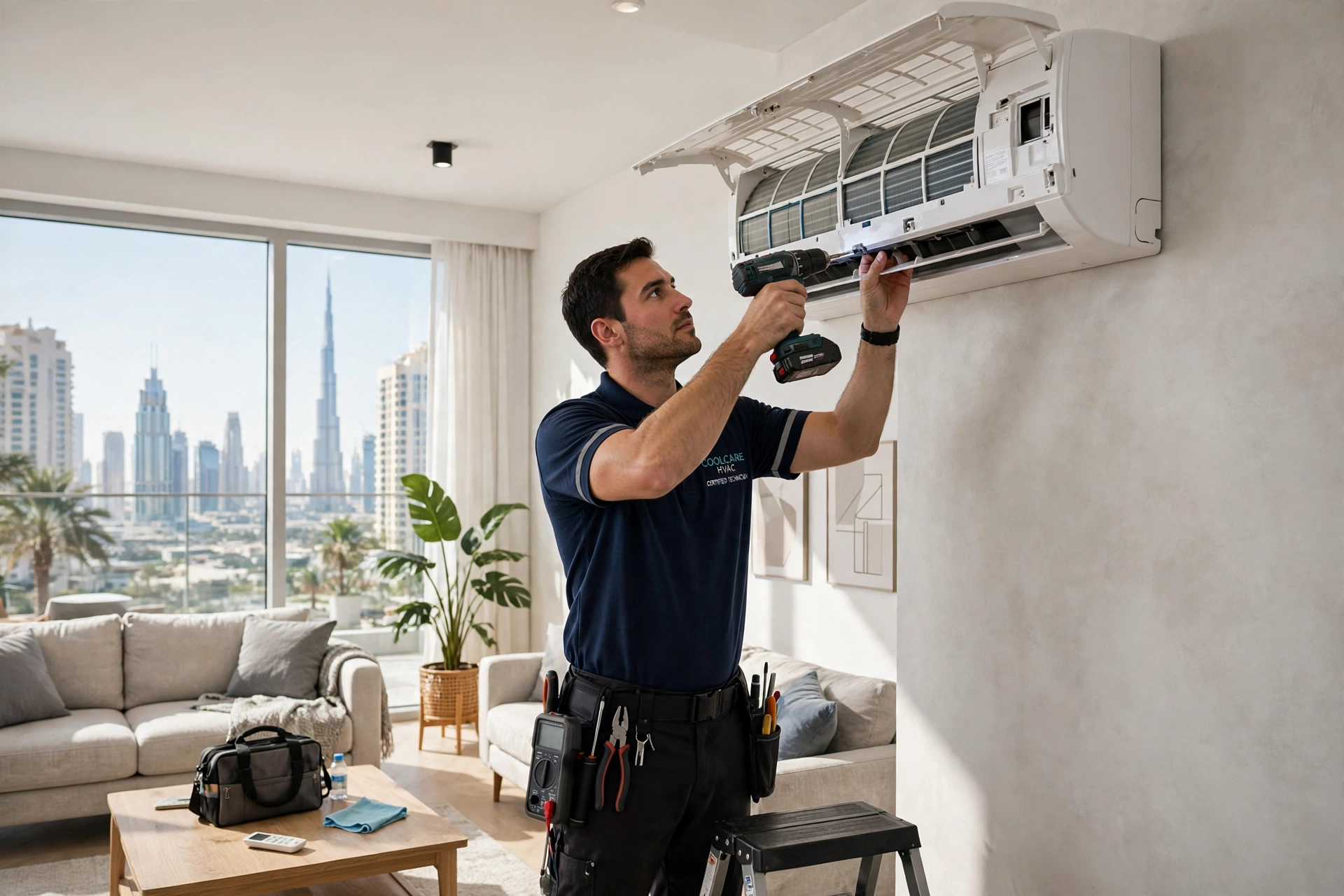
Air conditioning systems are a necessity in many climates where summers bring extreme heat. Homeowners often focus on the air conditioner itself, upgrading to newer units or scheduling seasonal maintenance to improve performance. However, one factor that is often overlooked plays a critical role in overall efficiency: insulation. Proper insulation acts as a barrier against heat transfer, allowing the cooled air produced by your AC to stay inside longer and reducing the strain on your system.
Improving AC efficiency is not just about tuning or upgrading the equipment—it is about optimizing the entire environment in which the system operates. When walls, ceilings, ducts, and attics are poorly insulated, even the most advanced air conditioner will have to work harder to maintain a comfortable indoor temperature. This additional workload increases energy consumption, raises utility bills, and shortens the lifespan of the equipment. Proper insulation transforms your home into a controlled thermal envelope, helping your AC operate with minimal effort and maximum cost‑effectiveness.
Understanding the Role of Insulation in Cooling Efficiency
Insulation serves as a thermal shield for your home. It slows the transfer of heat from the outside in and from the inside out. During summer, heat naturally tries to enter the cooler indoor environment through walls, ceilings, and windows. Without insulation, this heat moves freely, making it difficult for the AC to maintain the desired temperature. As the system struggles to counter the continuous heat gain, it consumes more energy, resulting in higher electricity bills and faster wear on internal components.
Proper insulation limits this heat transfer and reduces the rate at which your home gains heat. The less heat that enters, the less the AC has to remove, which directly improves efficiency. Insulation also stabilizes indoor temperatures, preventing rapid fluctuations that trigger frequent AC cycling. Consistency in cooling allows the system to operate in an optimal rhythm, extending its life and enhancing comfort for occupants.
Key Areas Where Insulation Improves AC Performance
Air conditioners do not cool your home in isolation; they interact with the entire building envelope. A home with leaks, gaps, and poorly insulated sections allows conditioned air to escape and unconditioned outdoor air to enter. Identifying and addressing the critical areas for insulation makes a substantial difference in energy performance.
The attic is one of the most important areas to insulate for cooling efficiency. Because heat rises, an uninsulated or under‑insulated attic quickly becomes a heat reservoir in summer. This heat radiates downward into living spaces, making the AC work overtime. Installing high‑R‑value insulation in the attic dramatically reduces heat gain and improves energy efficiency.

Walls also play a major role in thermal regulation. Older homes with thin walls or insufficient insulation allow outdoor heat to penetrate easily. By adding or upgrading wall insulation,Post Category, homeowners can stabilize indoor temperatures and reduce reliance on the air conditioner.
Windows and doors are frequent sources of air leaks. Even with insulation in walls and ceilings, gaps around frames and sashes can undermine efficiency. Proper weather stripping and insulation around openings help prevent cool air from escaping and hot air from infiltrating.
How Proper Insulation Reduces Energy Consumption
When a home is well‑insulated, the AC system does not have to run continuously to compensate for heat infiltration. The insulation slows the rate of heat gain, allowing the cooled air to linger longer in living areas. This reduces the number of cycles the AC must perform, cutting energy consumption without sacrificing comfort.
Reduced energy use is not the only benefit. Fewer operating cycles also mean less strain on mechanical components such as the compressor, blower motor, and fan assemblies. This mechanical relief extends the life of the system and lowers the likelihood of emergency repairs. Lowering runtime also contributes to quieter operation, as the AC no longer needs to run aggressively to maintain the set temperature.
Energy efficiency is also tied to sustainability. Homes with proper insulation consume less electricity, which reduces the demand on power plants and lowers the overall environmental footprint. For households seeking eco‑friendly solutions, insulation is a fundamental step in responsible energy management.
The Relationship Between Ductwork and Insulation
Central AC systems rely on ductwork to distribute cooled air throughout the home. When ducts run through unconditioned spaces like attics or crawl spaces, poor insulation leads to thermal losses. Cooled air can absorb heat before it even reaches the rooms, reducing overall efficiency.
Insulating ducts prevents energy loss along the delivery path. It ensures that the temperature of the air leaving the AC unit is the same air entering the living space. In addition to insulation, sealing duct joints prevents leaks that waste cooled air and force the system to compensate with longer runtime. Combining duct insulation with a properly sealed building envelope maximizes the efficiency gains achievable from an AC system.
The Impact of Air Leaks on Cooling Efficiency
Air leaks undermine even the most robust insulation. Small gaps in construction—around recessed lighting, vent penetrations, plumbing openings, or attic hatches—create pathways for conditioned air to escape and warm air to enter. The AC system senses the rising temperature and compensates by running more frequently, increasing both energy usage and wear.
Sealing these leaks complements insulation by creating a complete thermal barrier. Techniques include using spray foam around pipe penetrations, weather stripping doors and windows, and caulking baseboards or ceiling joints. Once leaks are sealed, insulation performs more effectively, and the AC unit operates with far greater efficiency.
Long‑Term Financial and Comfort Benefits of Proper Insulation
Investing in insulation yields multiple long‑term advantages. The most immediate benefit is reduced energy costs. By lowering the number of hours your AC must operate, your utility bills decrease noticeably, especially in regions with prolonged cooling seasons.
Insulation also improves comfort by maintaining consistent indoor temperatures. Without insulation, rooms near the attic or exterior walls may feel warmer, creating hot spots that trigger additional AC usage. A properly insulated home distributes cooling evenly, enhancing comfort across all spaces.
From a financial perspective, insulation extends the lifespan of the air conditioner. Reduced runtime minimizes wear on the compressor and fan motors, which are the most expensive components to replace. Over time, the initial investment in insulation pays for itself through lower bills and fewer repair costs.
Insulation also contributes to property value. Buyers increasingly look for energy‑efficient homes that promise lower operating costs and sustainable living. A documented history of Proper Insulation can make a property more appealing in the real estate market.
Combining Insulation with Other Efficiency Practices
While insulation is foundational for AC efficiency, its impact multiplies when combined with other energy‑conscious practices. Regular AC maintenance, including filter replacement and coil cleaning, ensures that the system operates under optimal conditions. Upgrading to a smart thermostat allows for precise temperature control, reducing unnecessary cooling during unoccupied periods.
Shading strategies, such as installing reflective window films or using insulated curtains, complement structural insulation by limiting solar heat gain. Ceiling fans can assist in distributing cooled air more effectively, reducing the AC load. When these strategies work in tandem, they create an integrated efficiency plan that significantly reduces cooling costs and environmental impact.
Evaluating and Upgrading Insulation for Maximum Impact
Before improving insulation, homeowners benefit from a professional evaluation. Energy audits and thermal imaging reveal heat loss patterns, air leaks, and under‑insulated areas that are not always visible. This diagnostic approach ensures that any upgrades target the areas that provide the most substantial efficiency gains.
Modern insulation options include fiberglass batts, spray foam, blown‑in cellulose, and rigid foam boards. Each material has distinct advantages depending on location, construction type, and budget. Spray foam, for instance, provides both insulation and air‑sealing properties, making it highly effective in attics or rim joists. Blown‑in cellulose can fill irregular wall cavities, enhancing coverage in older homes.
Upgrading insulation is not always a complete remodel. In many cases, adding insulation to attics and sealing leaks yields immediate and significant improvements in AC performance. Professional installers can tailor solutions to meet efficiency goals while adhering to building codes and safety standards.
Insulation as a Long‑Term Strategy for Energy Security
In regions facing rising energy costs or frequent heat waves, insulation is a proactive step toward energy security. Homes with high efficiency require less power to maintain comfort, reducing exposure to peak pricing and grid strain during heat events. Over the years, these savings accumulate while providing a more resilient and sustainable living environment.
Proper insulation also supports environmental goals by lowering greenhouse gas emissions associated with electricity production. Each kilowatt‑hour saved contributes to a smaller carbon footprint, aligning personal comfort with broader sustainability efforts.
Insulation as the Key to AC Efficiency
Air conditioning systems are only as efficient as the environments they serve. Without proper insulation, cooled air escapes, warm air infiltrates, and energy consumption rises. By sealing leaks, insulating critical areas like attics, walls, and ducts, and maintaining a continuous thermal barrier, homeowners unlock the full potential of their AC systems.
The benefits extend beyond lower utility bills. Consistent comfort, improved indoor air quality, longer equipment life, and environmental responsibility all stem from a single, strategic investment in insulation. For anyone seeking to enhance AC efficiency, reduce operating costs, and enjoy lasting comfort, proper insulation is the foundation of an effective and sustainable cooling strategy.