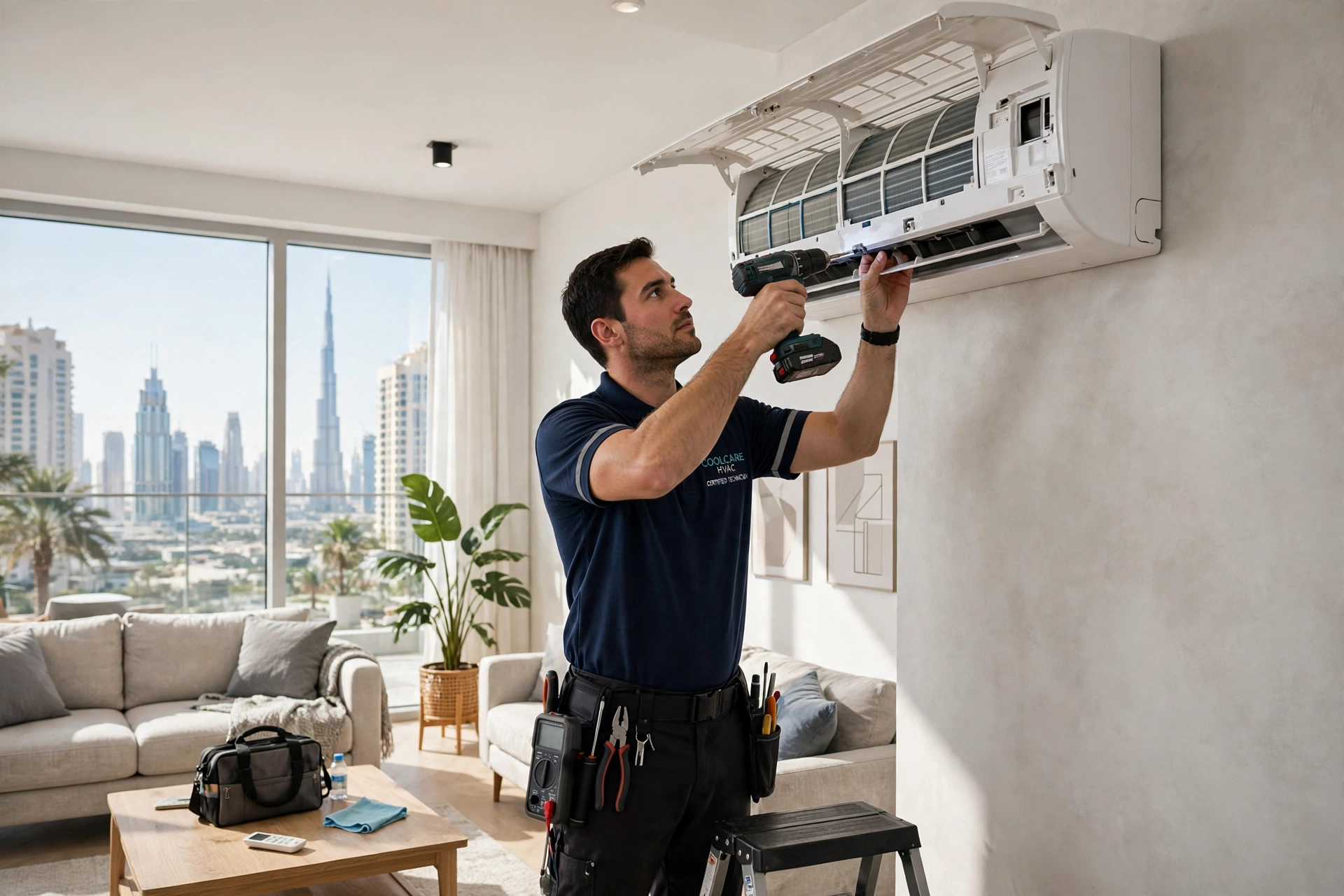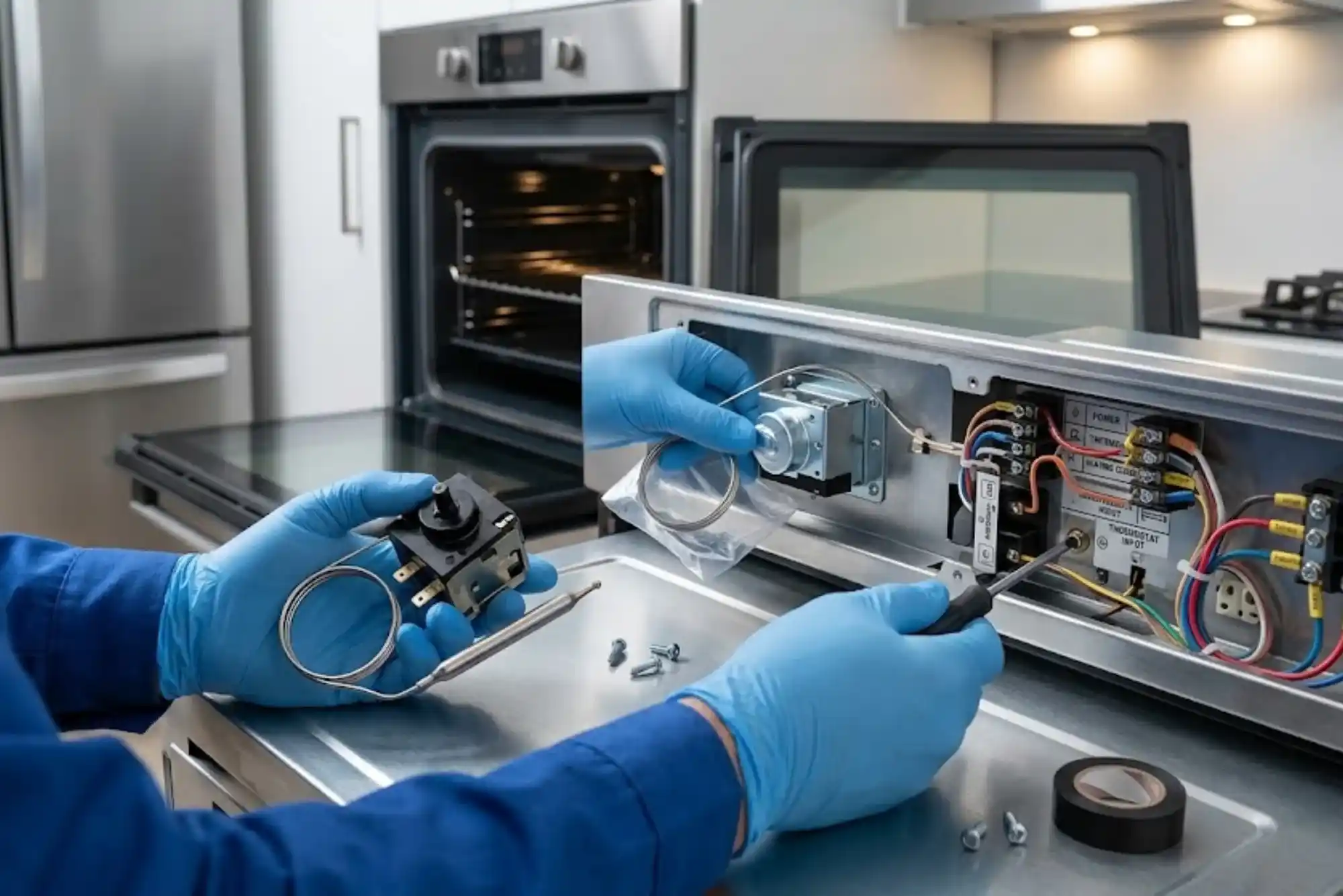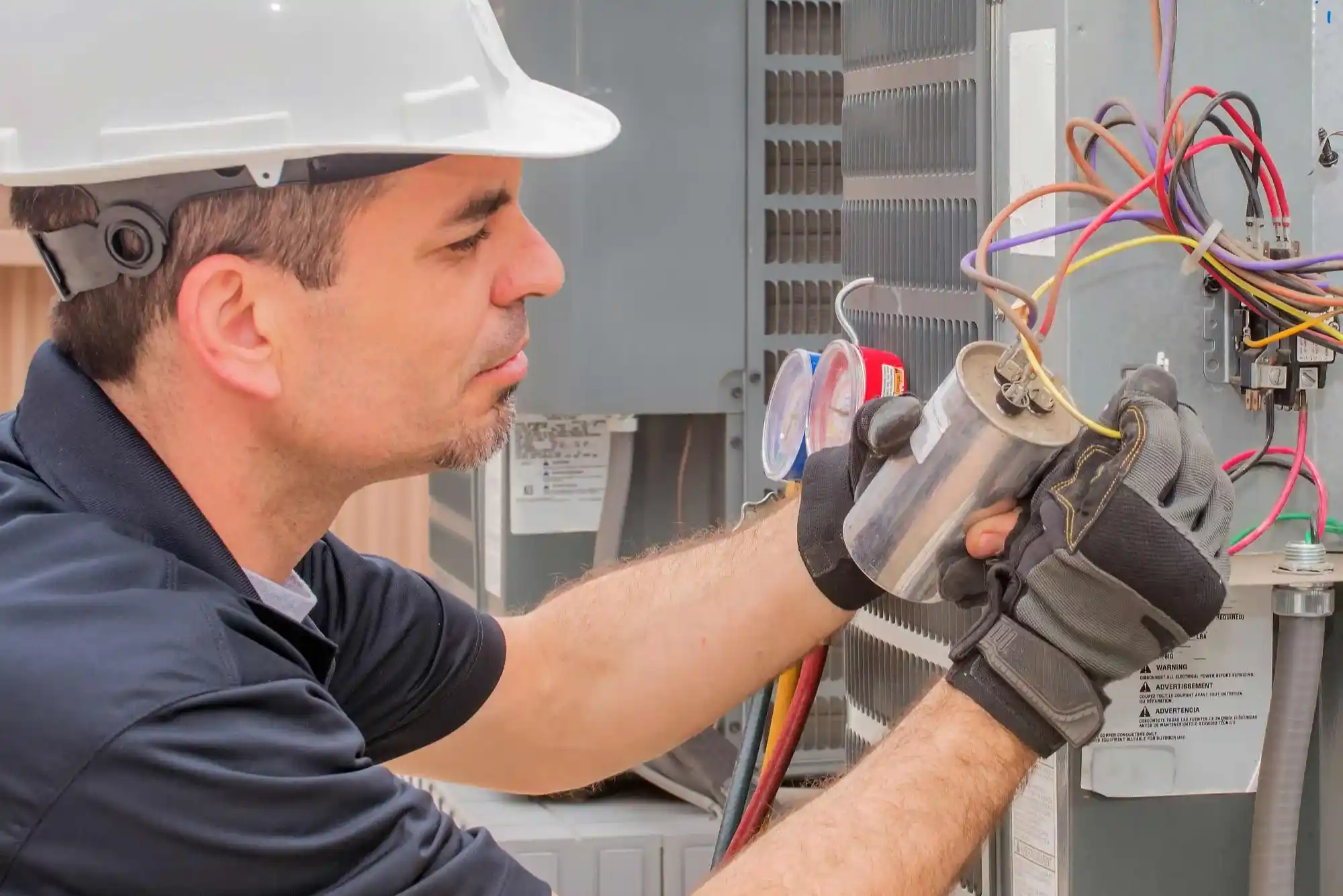
Air conditioning systems rely on various components to operate efficiently, and one of the most vital among them is the capacitor. The capacitor provides the necessary electrical surge to start the compressor and fan motor, ensuring smooth and reliable cooling cycles. When a capacitor fails, the AC system can struggle to start, produce weak airflow, or stop cooling altogether. Learning how to replace an AC capacitor safely is an essential skill for homeowners and technicians aiming to restore efficiency without risking damage to the equipment or themselves.
Replacing an AC capacitor involves understanding the role of this component, identifying failure symptoms, and following a careful process that prioritizes safety. Handling high‑voltage parts can be dangerous if proper precautions are not taken. By following a professional approach, you can protect yourself, preserve system integrity, and prevent costly errors.
Understanding the Role of the AC Capacitor
The capacitor in an air conditioning system serves as an energy storage device. Its primary function is to provide the electrical boost needed to start the compressor and fan motor. Most systems include two types of capacitors: a start capacitor and a run capacitor. The start capacitor delivers a quick jolt to initiate motor operation, while the run capacitor maintains the electrical supply that keeps the motor running smoothly.
When the capacitor fails, the motor may struggle to start or stop functioning altogether. You might hear a humming noise without the fan spinning, or notice that the system takes longer to begin cooling. Since the capacitor directly influences the compressor and fan performance, its health is critical to the overall efficiency and reliability of the AC system.
Capacitors are rated by voltage and microfarad (µF) values. Using the correct replacement is crucial because mismatched ratings can cause poor performance or damage to the motor. Understanding these specifications before any replacement ensures the new capacitor will integrate seamlessly with the system.
Identifying Signs of a Failing Capacitor
Before replacing a capacitor, it is important to recognize the symptoms that indicate failure. Common signs include an air conditioner that does not start, makes a humming noise, or frequently trips the breaker. In some cases, the fan may spin slowly or stop entirely, and the cooling performance will decline noticeably.

Another clear indicator is a physically damaged capacitor. Bulging at the top, leaking fluid, or visible corrosion all suggest that the component has failed or is on the verge of failure. Electrical testing with a multimeter can confirm the diagnosis, but in many cases, visual inspection combined with operational symptoms is enough to justify replacement.
Taking the time to correctly diagnose a capacitor issue prevents unnecessary part replacement and ensures that other components, such as motors or the compressor, are not the underlying cause of the problem.
Safety Precautions Before Starting the Replacement
Replacing a capacitor involves exposure to high voltage, which poses a serious safety risk if handled carelessly. The capacitor stores electrical energy even after the AC is turned off, and improper handling can result in dangerous shocks. Ensuring safety is the first step in any service procedure.
Always begin by disconnecting the power supply to the air conditioner at the breaker panel. Double‑check with a voltage tester to confirm that the system is de‑energized. Avoid working in wet or damp conditions, and wear insulated gloves to reduce the risk of electrical contact. Even after the power is disconnected, the capacitor itself must be discharged carefully to eliminate any stored electricity.
Safety glasses and protective clothing are also recommended, as accidental arcing or contact with sharp edges inside the condenser unit can lead to injury. Professional‑grade maintenance is not just about completing the task but doing it in a manner that eliminates unnecessary risks.
Accessing the Condenser Unit and Locating the Capacitor
The AC capacitor is typically located inside the outdoor condenser unit. Begin by removing the access panel, which is usually secured with screws. Once inside, locate the cylindrical or oval‑shaped capacitor mounted near the compressor and fan motor. It will have multiple terminals with wires attached,How to Replace AC Capacitor Safely, often labeled with markings to identify connections such as fan, common, and compressor.
Before disconnecting anything, take a clear photo of the wiring configuration. Documenting the existing setup ensures that the new capacitor will be installed correctly without confusion. Miswiring can lead to system damage or even create a safety hazard. Keeping track of the original configuration is a hallmark of professional‑level maintenance.
Discharging and Removing the Old Capacitor
Even with the power off, a capacitor can retain a dangerous electrical charge. To safely discharge it, use an insulated screwdriver to bridge the terminals, allowing the stored energy to release gradually. Once the capacitor is fully discharged, it can be handled safely.
Carefully disconnect the wires from the terminals, noting their original positions. Many technicians prefer to use pliers with insulated handles for this step. After the wires are disconnected, the mounting strap or bracket holding the capacitor in place can be removed. Gently lift the old capacitor out of the housing, avoiding any unnecessary bending of the wires or contact with surrounding components.
Inspect the capacitor for any visible damage such as swelling, cracks, or leaks. Understanding why it failed can provide insight into system health and help identify whether other components need further inspection.
Installing the New Capacitor Correctly
The replacement capacitor must match the original specifications for voltage and microfarad rating. Installing a component with incorrect values can cause poor motor performance, excessive heat, or even immediate failure. Carefully position the new capacitor in the mounting bracket, ensuring it is secure and stable.
Reconnect the wires according to the photo or notes taken earlier. Double‑check that each wire is firmly attached to the correct terminal. A loose connection can lead to arcing, overheating, or intermittent system failure. Once the wiring is secure, reattach the mounting strap and ensure the capacitor does not move during operation.
After installation, inspect the entire area to ensure that no wires are touching moving parts and that the access panel can be replaced without interference. Attention to these small details separates safe,Post Category, professional service from rushed or incomplete work.
Restoring Power and Testing the AC System
After the new capacitor is installed and all connections are secure, replace the access panel and restore power at the breaker. Observe the system as it starts to ensure the fan and compressor engage smoothly. A successful start with steady operation indicates that the replacement was performed correctly.
Monitor the system for a few minutes to verify stable performance. Listen for unusual noises, check airflow, and feel the air temperature at the supply vents. The system should cycle normally, and any previous issues with starting or humming should be resolved.
Testing not only confirms the repair but also provides peace of mind that the AC is safe and reliable for continued operation. If issues persist, further diagnostic work may be required to rule out motor or control board problems.
Professional Tips for Longevity and Safety
While replacing a capacitor can be straightforward, practicing good maintenance habits ensures long‑term performance. Regularly inspect the outdoor unit for debris, clean coils to reduce strain on the motor, and monitor for unusual noises or startup delays. Ensuring that all electrical connections remain tight prevents heat buildup and premature component failure.
Professional technicians often recommend keeping a spare capacitor that matches the system’s specifications, particularly in regions with extreme summer demand. Quick replacement minimizes downtime and protects the compressor from repeated failed start attempts.
The Importance of Responsible DIY Work
Learning how to replace an AC capacitor safely empowers homeowners to address one of the most common air conditioning failures without waiting for emergency service. However, the responsibility of working with high‑voltage components requires caution and patience. Following proper shutdown procedures, using protective equipment, and double‑checking every step are essential to avoiding accidents.
Responsible DIY repair also includes knowing your limits. If the system shows signs of additional electrical issues, refrigerant problems, or mechanical damage, calling a certified HVAC professional is the safest course of action. Combining basic DIY skills with professional backup when needed ensures the AC system operates efficiently and reliably for years to come.
Safe Replacement for Reliable Cooling
Replacing an AC capacitor is a critical maintenance task that can restore system performance, prevent compressor damage, and enhance cooling reliability. By understanding the function of the capacitor, recognizing the signs of failure, and following a methodical, safety‑focused process, homeowners and technicians alike can complete the task confidently.
A safe replacement begins with power disconnection, careful discharge of the old capacitor, accurate documentation of wiring, and secure installation of the new unit. Testing the system after replacement provides assurance that the AC is ready to handle the demands of the season.
Proactive care of capacitors and the entire air conditioning system reduces the likelihood of sudden breakdowns and costly emergency calls. Safe, thorough, and professional‑style maintenance ensures that your home stays cool, comfortable, and efficient even in the hottest months.