A dishwasher is one of the most relied-upon appliances in any modern home, offering the convenience of spotless dishes without manual scrubbing. Despite its sturdy design, even the most dependable dishwasher can face functional issues over time. One of the most common and often overlooked problems occurs with the door latch mechanism.
This small yet vital component plays a crucial role in ensuring that the dishwasher runs efficiently and safely. A faulty latch not only prevents the machine from starting but also compromises its ability to contain water, leading to leaks and poor performance. Knowing how to test dishwasher door latch mechanisms is an essential step for homeowners and technicians alike.
Why the Dishwasher Door Latch Is Important
The dishwasher door latch mechanism serves multiple functions that go beyond simply holding the door shut. At its core, it ensures that the appliance creates a watertight seal during operation, preventing spills and leaks that could damage kitchen floors. Equally important, the latch engages with internal safety switches that signal the dishwasher to begin its cycle. Without the latch locking properly, the machine interprets the door as open, even if it appears closed, thereby halting the operation.
A damaged latch compromises both safety and efficiency. Since dishwashers use hot water and pressurized spray arms, a secure door is critical. A faulty mechanism can cause the door to pop open mid-cycle, leading to water escaping into your kitchen, electrical malfunctions, or potential injuries. Therefore, understanding how to test and evaluate the latch mechanism is a necessary part of appliance care.
Common Signs of a Faulty Door Latch
Before attempting to test the mechanism, it is important to recognize the symptoms of a malfunctioning latch. In many cases, the dishwasher refuses to start despite being powered and programmed correctly. This happens because the safety circuit remains open when the latch does not engage. Another common sign is when the dishwasher door feels loose or does not click into place firmly. Users may also notice water pooling on the floor due to a compromised seal. At times, the cycle may begin but stop unexpectedly if the latch loses grip during operation. These symptoms highlight why early detection and testing are essential.
Preparing for the Testing Process
Testing a dishwasher door latch mechanism requires patience, attention to detail, and some basic tools. Before beginning, always ensure the appliance is unplugged or disconnected from its power source. Since dishwashers are often hardwired into kitchen circuits, it may be necessary to switch off the breaker. This safety step cannot be overstated, as electrical shock is a real risk when working on appliances. Additionally, the water supply should be turned off to avoid accidental leaks. Having a multimeter ready will be extremely helpful for the electrical testing portion, as it allows you to measure continuity in the latch’s internal switches.

Inspecting the Latch Mechanically
The first step in testing a dishwasher door latch is to inspect it from a mechanical perspective. This involves opening and closing the door several times to observe whether the latch engages smoothly. A properly functioning latch should produce a firm clicking sound as it locks into place. If the latch feels loose, fails to catch, or does not provide resistance, it may be worn or broken. Sometimes debris or detergent buildup can obstruct the latch, so visually inspecting and cleaning the area is a wise step before assuming replacement is necessary.
Physical wear is common in households where the dishwasher is used multiple times daily. Over time, plastic components may crack or metal pieces may bend out of alignment. Gently pressing on the latch and ensuring it springs back into place is another way to assess its condition. If the latch sticks or appears misaligned, it likely requires repair or replacement.
Testing Electrical Continuity
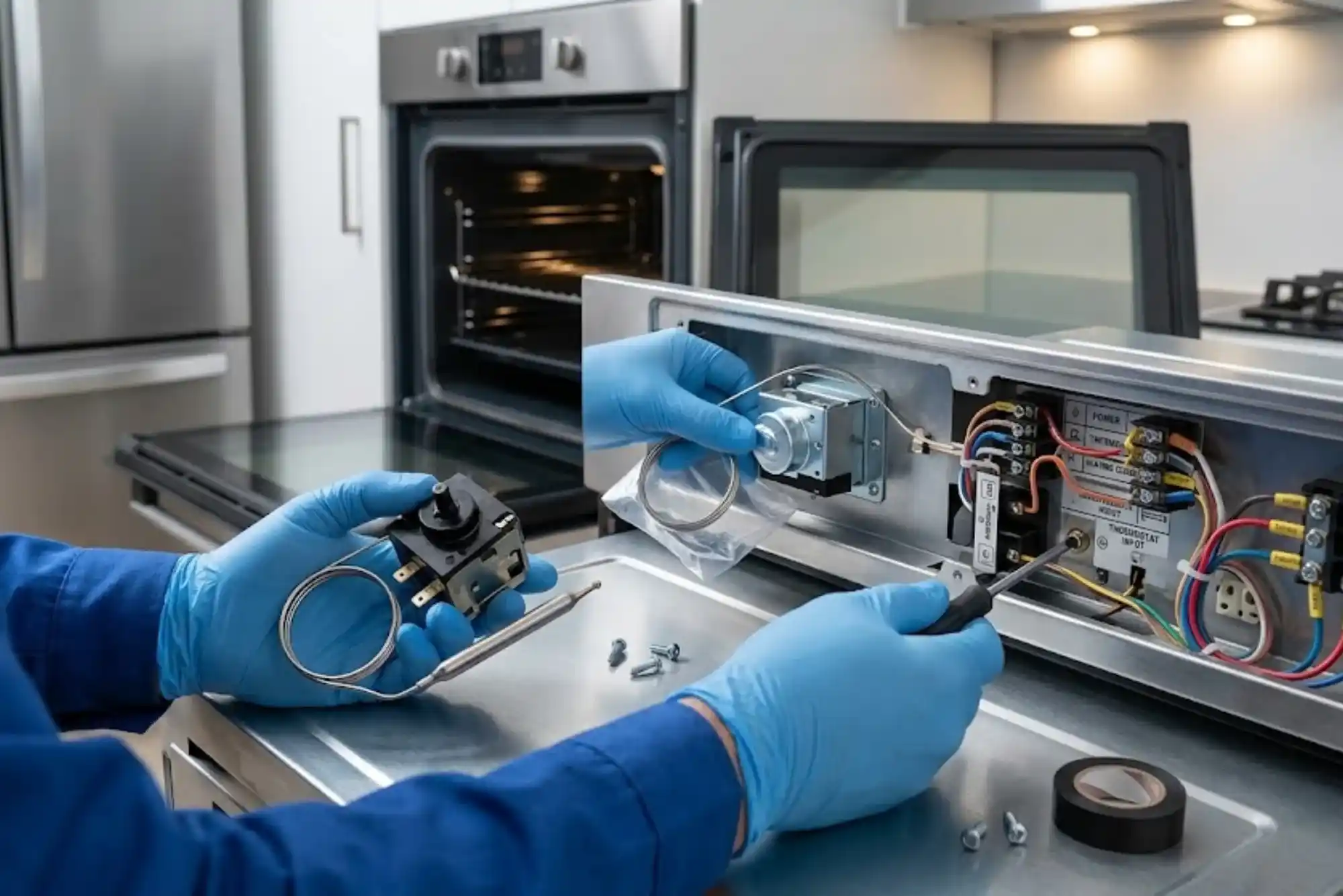
Once the latch has been visually and mechanically inspected, the next step is electrical testing. Most dishwasher latches are connected to a microswitch that communicates with the control board. This switch ensures the dishwasher only operates when the latch is properly secured. To test continuity, carefully remove the latch assembly following your dishwasher’s manual or service guide. With the latch removed, use a multimeter to check the terminals of the microswitch.
When the latch is in the closed position, the multimeter should show continuity, indicating that the circuit is complete. In the open position, continuity should break, showing an incomplete circuit. If the multimeter fails to detect these changes, the switch is defective and the latch mechanism must be replaced. Electrical testing is vital because, even if the latch appears mechanically sound, a failed microswitch can prevent the dishwasher from functioning.
The Importance of Correct Diagnosis
Many homeowners mistakenly assume a dishwasher that does not start has issues with the control board, timer, or motor. While those components can indeed fail, a faulty latch is often the simpler and more cost-effective cause. Testing the latch mechanism eliminates guesswork and prevents unnecessary expenses. Correct diagnosis ensures that you only replace what is truly defective, saving both money and time.
Professional appliance repair technicians rely heavily on accurate testing procedures before recommending replacements. For homeowners attempting DIY repairs, patience and precision are equally important. Skipping proper testing could lead to unnecessary parts being ordered or more extensive damage if the real problem is overlooked.
Repairing or Replacing a Faulty Latch
Once testing confirms that the latch is faulty, the next step is determining whether it can be repaired or must be replaced. Minor issues such as dirt buildup or misalignment can sometimes be resolved through cleaning and adjustment. However, in most cases of electrical failure or severe wear, replacement is the most practical solution. Dishwasher latch assemblies are typically available from appliance parts suppliers and are designed to be swapped with relative ease.
During replacement, always ensure the new latch matches the make and model of your dishwasher. Installing an incompatible part may prevent the door from sealing properly or interfere with the control system. After fitting the new latch, retesting both mechanically and electrically is essential before restoring power and water supply. This confirms that the repair was successful and that the dishwasher is safe for use.
When to Call a Professional
Although testing and replacing a dishwasher latch can be performed by confident homeowners, not everyone is comfortable working with electrical components. If the testing process seems complicated or if the latch is integrated into a more complex assembly, seeking professional help is advisable. Appliance repair experts have the tools and experience to diagnose issues quickly and safely. Additionally, professional servicing ensures that warranties remain intact and that the dishwasher operates according to manufacturer specifications.
Preventing Future Latch Issues
Like many appliance components, the longevity of a dishwasher latch can be extended through proper care. Avoid slamming the dishwasher door, as repeated forceful closure weakens the latch over time. Keep the latch area clean from detergent residue and food particles that may obstruct its function. Regularly inspecting the latch during cleaning routines allows early detection of wear before it becomes a serious problem. Homeowners who treat their dishwasher with care often enjoy years of uninterrupted service without latch-related issues.
Final Thoughts
Understanding how to test dishwasher door latch mechanisms empowers homeowners and technicians to maintain one of the most essential kitchen appliances effectively. The latch may seem like a small part, but its role is critical in ensuring safe, leak-free, and reliable dishwasher operation. By combining mechanical inspection with electrical continuity testing, anyone can determine whether the latch is functioning properly. Taking the time to diagnose this component not only prevents unnecessary repairs but also ensures that the dishwasher continues to serve the household efficiently.
Whether you choose to handle the testing process yourself or call in a professional, paying attention to the condition of your dishwasher latch is a wise step in overall appliance care. With proper maintenance and timely intervention, your dishwasher can provide years of reliable service, keeping your kitchen running smoothly and your dishes sparkling clean.