Ovens are a cornerstone of every modern kitchen, providing the heat necessary for baking, roasting, and cooking a wide variety of meals. However, like any electrical appliance, they are subject to wear and malfunction over time. One of the most common issues affecting ovens is a faulty heating element, which can lead to uneven cooking or a complete lack of heat. Understanding how to test oven element continuity is crucial for anyone seeking to maintain their appliance’s performance, whether in a professional setting or at home. This process helps determine whether the heating element is functioning correctly or needs replacement.
Understanding Oven Element Continuity
Continuity in an oven element refers to the electrical connection that allows current to flow through the heating coil. If the circuit is complete, electricity flows, and the element heats up as expected. If there is a break in the circuit, the element will not heat, and your oven will fail to perform as intended. Testing continuity is a safe and straightforward way to check the integrity of the element before deciding on repairs or replacements.
A lack of continuity generally indicates that the heating element is burnt out or damaged. Various factors can contribute to this, including prolonged use, exposure to moisture, accidental impact, or manufacturing defects. By identifying the issue early through continuity testing, costly repairs can often be avoided, and appliance safety is maintained.
Preparing for the Continuity Test
Before testing an oven element for continuity, it is essential to take safety precautions. Always ensure the oven is completely disconnected from the power source. This typically involves unplugging the appliance or switching off the circuit breaker that powers it. Working with electrical components without disconnecting power poses serious risks of shock or injury.
Once the oven is safely powered down, locate the heating element. In most electric ovens, the bake element is positioned at the bottom, while the broil element is situated at the top. Both are typically visible upon opening the oven door, though some models may require removing a protective panel. Proper identification is key, as testing the wrong component could lead to confusion and misdiagnosis of the appliance’s issue.
Using a Multimeter to Test Continuity
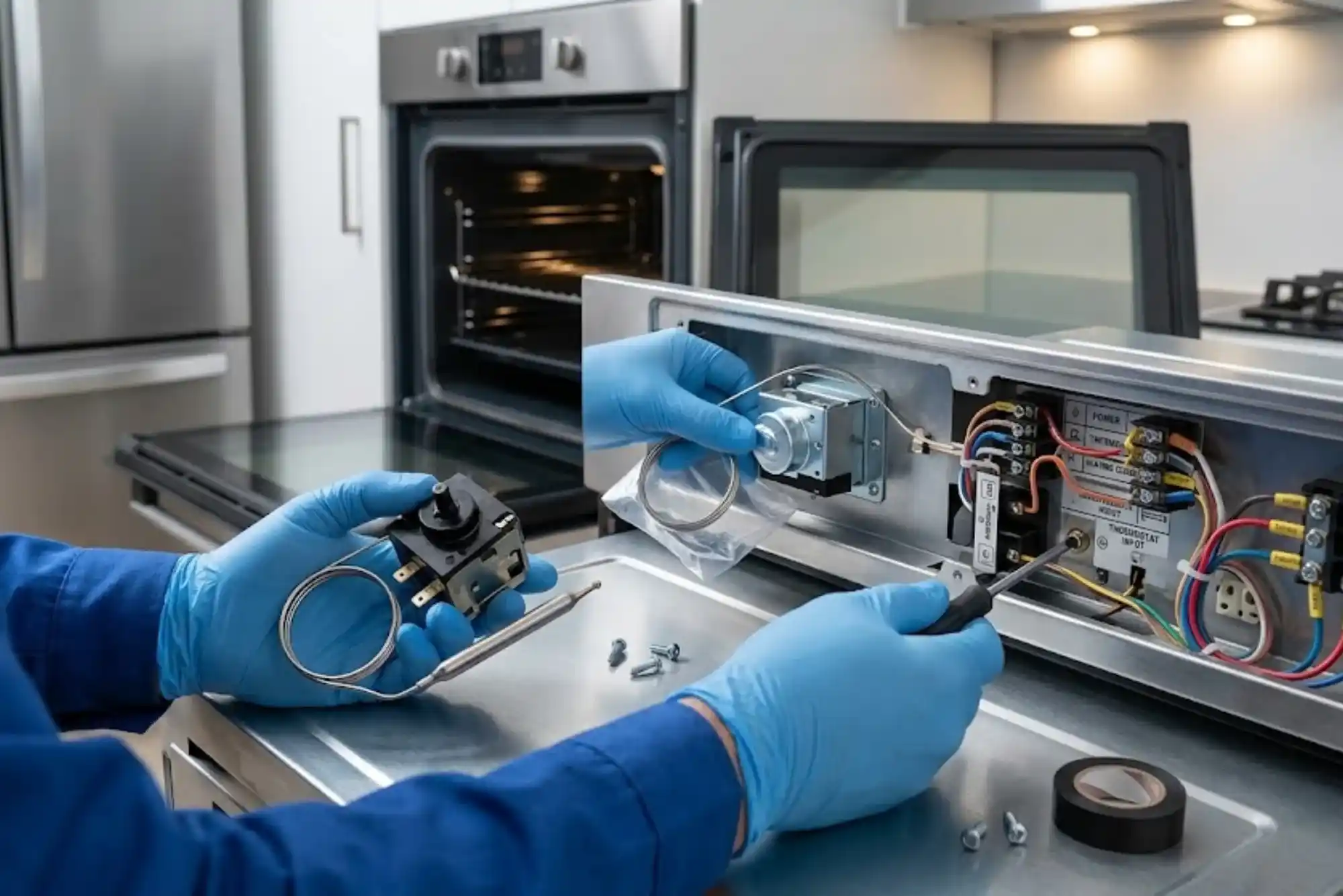
A multimeter is the primary tool used to test an oven element for continuity. This device measures electrical resistance and can indicate whether electricity can flow through the element. Begin by setting the multimeter to the continuity mode or the lowest ohms setting if continuity mode is unavailable.

Carefully disconnect the wires attached to the oven element terminals. Avoid tugging or pulling on the wires, as this can damage the connections. Once disconnected, place the multimeter probes on each terminal of the heating element. A continuous beep or a reading close to zero ohms confirms that the element is intact and functional. Conversely, an infinite reading or no beep signals a break in the circuit, indicating that the element requires replacement.
Interpreting Multimeter Readings
Understanding multimeter readings is crucial for accurate diagnosis. A functional oven element will typically show a low resistance reading, often between 10 and 50 ohms, depending on the specific appliance model and wattage rating. Any deviation significantly above or below this range may indicate a partial fault or degradation in the element.
It is important to remember that continuity testing only checks whether the element is electrically intact; it does not measure the heating capacity. An element may pass the continuity test but still fail to reach proper cooking temperatures due to internal corrosion or minor cracks. Therefore, continuity testing should be considered the first step in a comprehensive oven maintenance process.
Ensuring Safe Oven Operation
Testing oven element continuity is not only about diagnosing faults but also about ensuring overall appliance safety. A broken or degraded heating element can lead to uneven heating, electrical shorts, or even fire hazards. Regular continuity checks as part of a preventive maintenance routine help maintain the oven’s reliability and longevity.
Professionals in appliance repair recommend testing continuity annually, especially for ovens used frequently in commercial kitchens. For home users, checking the element when signs of malfunction appear, such as uneven cooking or heating failure, is usually sufficient. Early detection of issues reduces downtime and prevents damage to other components of the oven, such as thermostats, fuses, or wiring.
Professional Replacement Considerations
If testing reveals a faulty element, professional replacement is often the safest and most effective solution. While some skilled individuals may replace elements themselves, doing so without proper knowledge can result in improper installation, electrical hazards, or voided warranties. Experienced technicians ensure that the new element matches the manufacturer’s specifications and is installed correctly, restoring optimal oven performance.
When replacing an element, it is essential to source genuine parts. High-quality elements maintain efficiency, reduce energy consumption, and prevent premature failure. Professional repair services often provide warranties on both parts and labor, giving peace of mind to appliance owners.
Testing oven element continuity is a critical step in maintaining a functional and safe kitchen appliance. By understanding the principles of continuity, using a multimeter correctly, and interpreting results accurately, homeowners and professionals can identify faults efficiently. Ensuring that heating elements are in proper working order not only improves cooking performance but also enhances safety and extends the life of the oven.
Routine checks and timely repairs are key to avoiding unexpected malfunctions. Investing in professional assistance when needed guarantees that appliances are restored to peak condition without risk. Ultimately, a well-maintained oven ensures consistent culinary results, energy efficiency, and peace of mind in every kitchen environment.