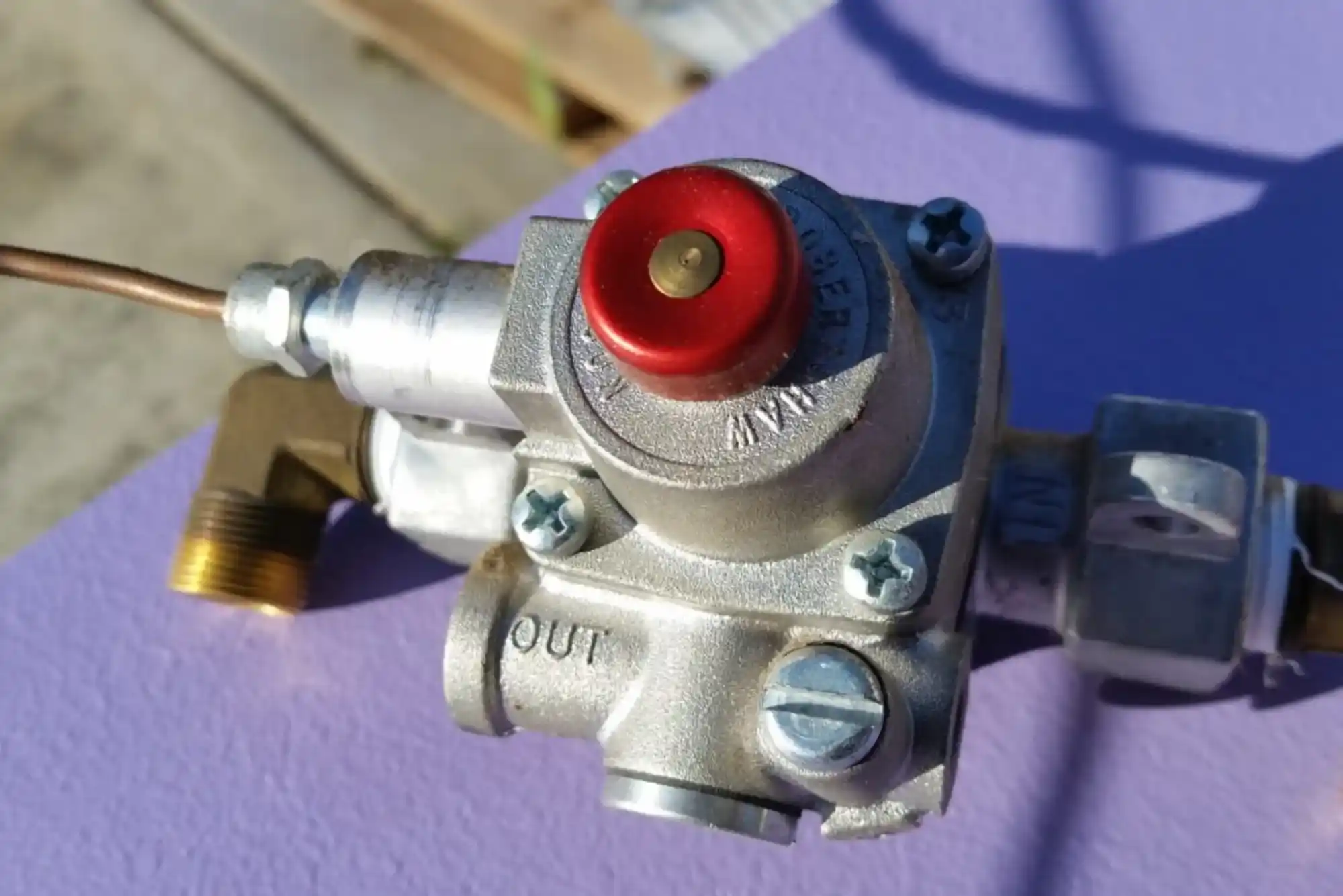
When it comes to home appliances, ovens play a critical role in daily life, especially in households where cooking is a central part of family routines. For gas ovens in particular, one of the most important components is the oven safety valve. This valve is designed to control the flow of gas to the oven burner and ensure that gas is only released when it is safe to ignite. If it fails to operate correctly, it can lead to performance issues, cooking problems, or in worst-case scenarios, dangerous gas leaks. That is why learning how to test oven safety valves is not just a matter of appliance maintenance, but also a matter of household safety.
Testing oven safety valves requires careful attention, a clear understanding of how the component works, and in most cases, the assistance of professional appliance repair services. Many homeowners attempt to troubleshoot their ovens when they face issues like the oven not heating properly, uneven baking, or the burner failing to ignite. While these problems may sometimes relate to igniters or other electrical parts, the oven safety valve remains a key element to examine.
Understanding the Role of an Oven Safety Valve
An oven safety valve is a device that opens only when it receives the right signal from the igniter. In most modern ovens, when the igniter heats up to the correct temperature, it allows current to flow to the safety valve, signaling it to open and release gas to the burner. If the igniter does not heat properly or if the valve itself is malfunctioning, gas will not flow, preventing the burner from lighting. This built-in safety mechanism ensures that gas cannot leak into the oven chamber without being ignited.
The primary role of the oven safety valve is to prevent accidents. Gas leaks are hazardous, as they can lead to fire, explosions, or health issues from inhalation. A properly functioning safety valve ensures that your oven operates efficiently, maintains the right temperature, and keeps your home safe while cooking.
Signs That Your Oven Safety Valve Needs Testing
While ovens are designed to last many years, their components can wear out over time. A safety valve may develop faults due to prolonged usage, exposure to heat, or general wear. If you are experiencing problems such as an oven that will not heat, delayed ignition, or irregular temperatures, the safety valve may be at fault. Some users also report smelling gas near the oven before ignition, which is a serious sign that should not be ignored.
Other common symptoms include the oven failing to reach the set temperature, uneven baking results, or the burner failing to stay lit. Since these issues can also be linked to other parts, proper testing is essential to identify whether the safety valve is truly the problem.

How to Prepare for Testing the Oven Safety Valve
Before testing the oven safety valve, safety should be the first concern. Working with gas appliances requires extreme caution, as mishandling can lead to accidents. Always begin by disconnecting the appliance from its power source and shutting off the gas supply. This prevents the risk of accidental ignition while handling internal components.
Professional technicians use specialized tools like multimeters, gas leak detectors, and manufacturer-specific testing equipment. While some homeowners attempt DIY methods, it is generally recommended to have an expert handle the process, especially if you are unfamiliar with appliance repair. Testing involves electrical connections and gas components, making it a task that requires both knowledge and precision.
The Testing Process in Professional Service
When a trained technician inspects an oven safety valve, the process is systematic and careful. The first step involves examining the igniter, as a weak igniter often fails to send the proper current to the safety valve. If the igniter glows but does not reach the correct temperature, the valve will not open. In this case, replacing the igniter may solve the issue without needing to replace the valve.
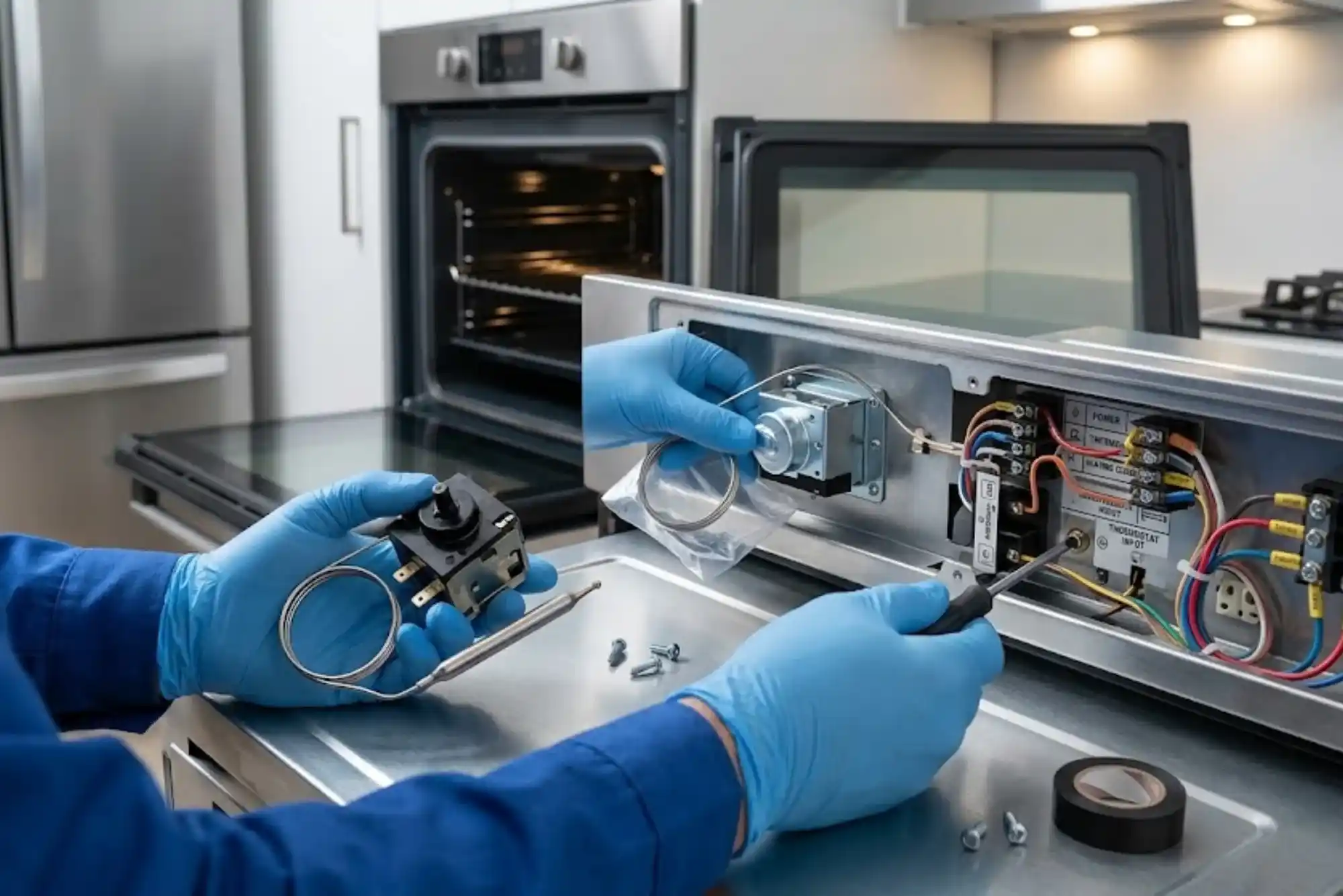
If the igniter is functioning properly, the technician then moves on to the safety valve itself. This involves accessing the valve, which is usually located near the oven burner. With the use of a multimeter, the technician checks for electrical continuity in the valve. A lack of continuity suggests that the valve is faulty and needs replacement. In some cases, the valve may appear mechanically fine but still fail electrically, which can only be confirmed through testing.
Additionally, professionals look for signs of gas flow obstruction, wear in the valve housing, or leaks. If a leak is suspected, a gas detector is used to confirm the presence of escaping gas. Since gas leaks pose immediate danger, such findings require immediate repair or replacement of the component.
Importance of Professional Testing and Repair
While some appliance components are relatively simple for homeowners to inspect or replace, oven safety valves fall into a different category. Their function directly relates to gas safety, which makes professional handling essential. Attempting to test or replace a safety valve without the right expertise can lead to gas leaks, damaged components, or electrical hazards.
Professional repair services not only test the valve but also ensure that the entire gas system in your oven is working properly. This includes checking the igniter, burner, thermostat, and wiring. Since the oven safety valve is part of a larger system, a comprehensive diagnosis is necessary to avoid overlooking other issues that may affect performance.
Moreover, technicians ensure that all repairs comply with safety standards and manufacturer guidelines. This level of precision gives homeowners peace of mind, knowing their oven is safe to use after service.
The Cost and Value of Safety Valve Testing
Many homeowners worry about the cost of appliance repair, but when it comes to gas safety, professional service is an investment in both safety and performance. The cost of testing and replacing an oven safety valve is often far less than the cost of repairing fire damage or dealing with health risks caused by gas exposure. Regular maintenance, including testing critical components like the safety valve, extends the life of your oven and ensures consistent cooking results.
From a value perspective, hiring experts prevents unnecessary part replacements. For example, if a weak igniter is the root cause of the problem, replacing the safety valve would not solve the issue. A professional diagnosis prevents guesswork and ensures the correct component is addressed.
Maintaining Your Oven for Long-Term Safety
Beyond professional testing, homeowners can also play a role in keeping their ovens safe and efficient. Regular cleaning, avoiding spills near the burners, and ensuring proper ventilation can help maintain good performance. Scheduling periodic maintenance checks with an appliance repair company ensures that safety valves and other components are tested before they fail.
Preventive care is particularly important for older ovens, which are more prone to wear and gas leaks. By addressing potential problems early, you avoid unexpected breakdowns and keep your household safe.
Final Thoughts
The oven safety valve may not be a part that homeowners think about often, but it is one of the most crucial components of a gas oven. Testing this valve ensures that your oven remains safe, efficient, and reliable. Whether your oven is failing to heat properly, giving inconsistent results, or showing signs of a gas issue, testing the safety valve is a critical step in the troubleshooting process.
While it is possible to learn about the testing process, the risks associated with gas appliances make professional service the safest and most effective option. By relying on experienced technicians, you not only ensure accurate diagnosis but also protect your home and family from potential dangers.