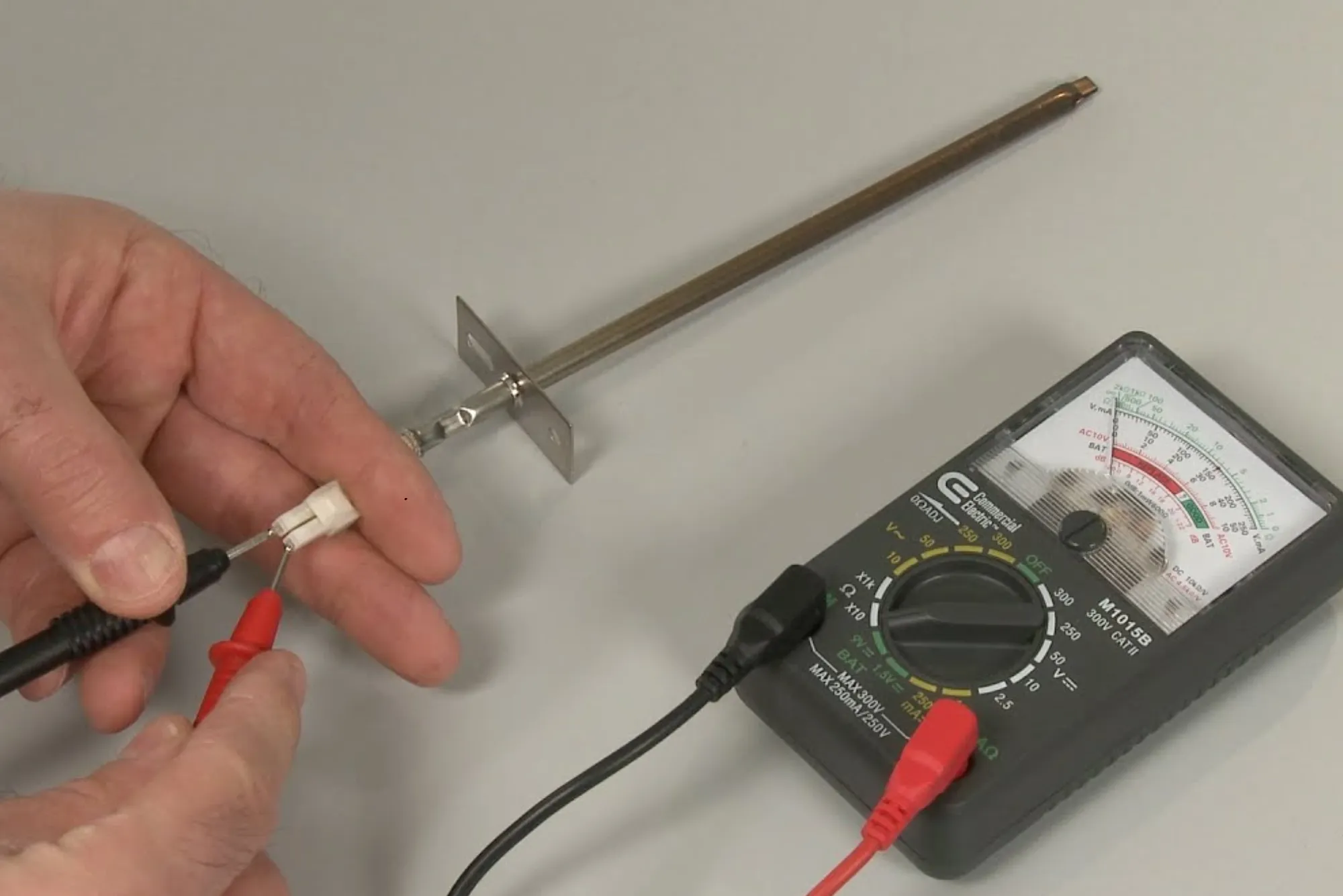
Stove safety sensors are a critical line of defense against kitchen accidents. Whether in residential kitchens or commercial food preparation areas, these sensors help detect abnormal heat levels, unattended cooking, or gas leaks. By acting as early warning systems, they reduce the risk of fires and protect both property and lives. Like all safety devices, however, stove sensors can degrade over time or fail without obvious signs. Testing them regularly is the only way to guarantee they remain effective.
This article explores how to test stove safety sensors properly, why it is important, and what professionals and homeowners should keep in mind to maintain reliability.
Why Stove Safety Sensors Are Essential
The kitchen is one of the most common origins of household fires, and unattended cooking remains the leading cause. Stove safety sensors address this risk by detecting potentially dangerous conditions such as overheating cookware, flames that rise unexpectedly, or gas leaks before they escalate.
These sensors work in different ways depending on the technology. Some use infrared to monitor temperature changes, others sense gas levels in the air, while advanced models combine motion detection to determine whether someone is present. By integrating into stove shutoff systems or alarms, they can intervene before danger spreads.
Without regular testing, however, sensors may deliver a false sense of security. Dirt, wear, electronic faults, or even simple misalignment can reduce sensitivity. Knowing how to verify their accuracy ensures your kitchen remains protected.
Understanding How Stove Safety Sensors Function
Before testing, it is vital to understand the working principles of the specific sensor. Safety sensors are typically categorized into three main types: thermal sensors, gas sensors, and occupancy sensors.

Thermal sensors measure surface or ambient heat and trigger alerts when temperatures rise beyond safe thresholds. Gas sensors detect leaks of natural gas or propane by measuring concentrations in the air. Occupancy sensors track movement in the kitchen to determine whether a stove is left on without supervision.
In many modern stoves, these elements are combined into integrated safety systems. Each component has its own testing method, and knowing which one is in your stove makes the process more accurate.
Preparing to Test Stove Safety Sensors Safely
Testing stove sensors involves interacting with heat, electricity, or gas, which requires careful preparation. Always ensure the stove is in good condition and follow manufacturer guidelines before beginning. Protective gear such as heat-resistant gloves may be necessary. For gas-based systems, proper ventilation must be maintained to avoid inhaling fumes during sensor checks.
It is also essential to have tools ready: a thermometer for heat-based testing, a safe source of test gas for leak detectors, and a timer to evaluate sensor response speed. Documentation tools like a notepad or a digital app are useful to record results and detect changes over time.
Testing Thermal Safety Sensors for Accuracy
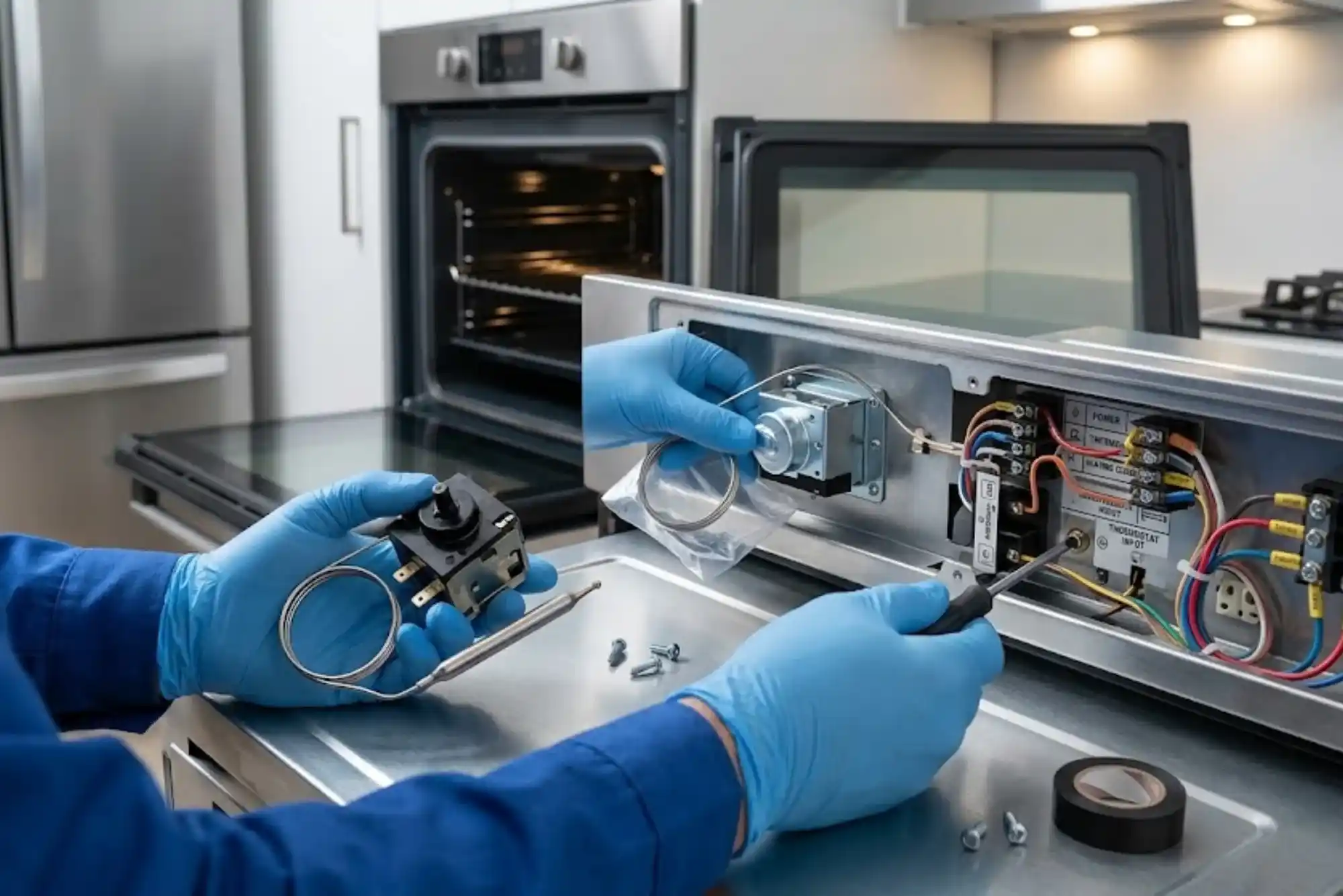
Thermal safety sensors are perhaps the most common type, often found in electric and induction stoves. To test them, controlled heat must be applied to verify whether the sensor detects dangerous temperature levels.
A typical method involves gradually heating a pan on the stove while monitoring the stove’s readout or alert system. When the surface temperature reaches the sensor’s threshold, usually indicated in the user manual, the system should trigger a shutdown or warning. Independent thermometers help verify whether the sensor’s activation point aligns with actual conditions.
It is important to repeat this process periodically because heat sensors can lose calibration over time. A sensor that triggers too early can interrupt cooking unnecessarily, while one that activates too late may fail to prevent hazards.
Testing Gas Safety Sensors Effectively
Gas stoves rely on safety sensors to detect leaks and prevent explosions or poisoning. These sensors must be tested with care to avoid accidental hazards.
Professionals often use calibration gases with known concentrations to check if the sensor responds appropriately. The gas is introduced in a controlled environment, and the sensor should register the leak within seconds. If it fails or responds sluggishly, the sensor may need recalibration or replacement.
For household testing, specialized gas detector sprays are available. These allow safe, small-scale simulation of a leak without exposing users to harmful concentrations. Results should be compared with the manufacturer’s expected response times, ensuring the sensor is functioning as intended.
Verifying Occupancy and Motion-Based Sensors
Modern stove safety systems often incorporate motion detectors to ensure the user remains nearby while cooking. If movement is not detected after a set time, the stove may automatically power down.
Testing these systems requires simple observation. The stove should remain active while the user is moving around, but shut down if they leave the room for the programmed duration. If the sensor fails to detect presence, it could be obstructed by dirt or misaligned in its placement.
While these sensors are less prone to environmental degradation compared to thermal or gas sensors, their reliability is equally important. A malfunction could either leave the stove running unsupervised or cut power unnecessarily during normal use.
Monitoring Sensor Response Time and Consistency
A key element of sensor testing is evaluating not only whether the system works, but how quickly it reacts. A delayed response can make the difference between preventing a small incident and allowing a full-scale fire.
Response times should be measured consistently during testing. For example, when exposing a gas sensor to test gas, note the number of seconds before the alarm sounds. Similarly, when heating cookware, record the time it takes for the stove to shut down. Repeating these measurements over time helps track any decline in performance.
Consistency across multiple tests is also important. Sensors that trigger inconsistently may signal underlying faults that require professional inspection.
Recognizing Signs of Sensor Failure
Even before formal testing, certain signs can suggest a sensor is malfunctioning. False alarms that occur frequently may indicate sensitivity problems. On the other hand, a complete lack of alerts even in risky conditions is a clear warning that the sensor is not detecting properly.
Physical inspection can reveal dust accumulation, corrosion, or damage to wires. In some cases, sensors may emit faint noises or show error codes on digital displays. These are cues that testing should be conducted immediately.
Identifying these signs early prevents reliance on faulty equipment and ensures timely replacement before hazards arise.
Professional Testing Versus DIY Approaches
While homeowners can carry out basic tests, professional inspections are recommended at regular intervals. Professionals use calibrated tools to measure gas concentrations, infrared thermometers for heat accuracy, and advanced diagnostic software for integrated systems.
DIY testing is valuable for quick checks, but professional evaluations offer a higher degree of reliability. For commercial kitchens where compliance with fire safety regulations is mandatory, certified inspections are not optional—they are legal requirements.
Balancing DIY efforts with professional services ensures safety without unnecessary costs.
Importance of Maintenance After Testing
Testing is only effective when followed by corrective action. If a sensor fails or produces inconsistent results, it must be cleaned, recalibrated, or replaced. Neglecting maintenance after identifying a fault renders the testing meaningless.
Manufacturers typically provide instructions for maintenance, such as cleaning gas sensor vents or resetting calibration on thermal sensors. Replacement intervals should also be noted, as many sensors are designed to function for only a set number of years.
Regular testing combined with timely maintenance guarantees long-term safety.
Building a Testing Schedule for Long-Term Reliability
A structured testing schedule helps prevent lapses in safety. For residential stoves, testing every three to six months is advisable. For commercial kitchens with heavier usage, monthly checks are often necessary.
Documenting each test, including the date, methods used, and results observed, creates a record that can be referenced later. This not only ensures consistency but also provides evidence of compliance for regulatory purposes.
Over time, patterns may emerge in the data, revealing whether sensors are gradually losing efficiency. Addressing these trends early is a proactive way to maintain safety.
Making Stove Safety a Priority
Stove safety sensors are silent guardians in kitchens, often preventing disasters without users even realizing it. Yet their reliability depends entirely on proper testing and maintenance. From thermal sensors that detect overheating to gas detectors that prevent leaks, each plays a vital role in safeguarding lives and property.
Testing involves preparation, careful measurement, and attention to both response time and consistency. While homeowners can conduct basic checks, professional inspections remain the gold standard, especially in high-risk environments. Recognizing signs of malfunction, maintaining equipment after tests, and following a structured schedule ensures sensors never fail when they are needed most.
By making testing a routine responsibility, households and businesses alike reinforce the safety net that stove sensors provide. In a space as central as the kitchen, where fire and heat meet daily activity, taking these precautions is not optional—it is essential.