Modern washing machines rely on intricate electrical systems to function effectively. Among these systems, dry contacts play a crucial role in controlling and transferring signals without allowing current to flow directly between circuits. They are fundamental in ensuring safe communication between electronic components, such as control boards, timers, and sensors. Understanding how to test washing machine dry contacts is essential for technicians and even advanced homeowners who want to diagnose performance issues accurately.
Dry contacts are often misunderstood, yet they are vital for machine safety and operation. These are switch-like connections found in relays or control boards that open or close depending on the system’s requirements. They work as signal passers, ensuring one part of the circuit can send information to another without creating an electrical path that carries voltage. When dry contacts fail, the washing machine may show symptoms such as non-responsive controls, cycle interruptions, or erratic behavior during operation.
Understanding the Role of Dry Contacts in Washing Machines
Dry contacts serve as an interface between different electrical or electronic systems within a washing machine. They operate mechanically through relays, where a coil energizes and either closes or opens the contacts. This mechanism allows the main control board to activate certain components—such as the motor, heater, or drain pump—at precise times without allowing the full voltage to pass through delicate control circuits.
Because washing machines handle both water and electricity, maintaining clear isolation between high- and low-voltage circuits is vital. That isolation is precisely what dry contacts provide. If these contacts fail to operate correctly, they can disrupt the logical sequence of the wash cycle, resulting in incomplete or malfunctioning operations. Testing them ensures the electrical communication inside the appliance remains intact and reliable.
The Importance of Testing Dry Contacts
Testing dry contacts in a washing machine helps determine whether they are opening and closing correctly, ensuring the appliance’s control system communicates properly. Over time, the contacts may become corroded, worn out, or coated with debris from electrical arcing. This wear leads to resistance that prevents clean signal transfer.
A malfunctioning dry contact can mimic symptoms of other faults, such as motor failure or defective sensors. Without accurate testing, it’s easy to misdiagnose the problem. That’s why professional technicians always confirm the condition of dry contacts before replacing expensive components. Proper testing not only saves time but also ensures repairs are cost-effective and technically sound.

Tools and Equipment Required
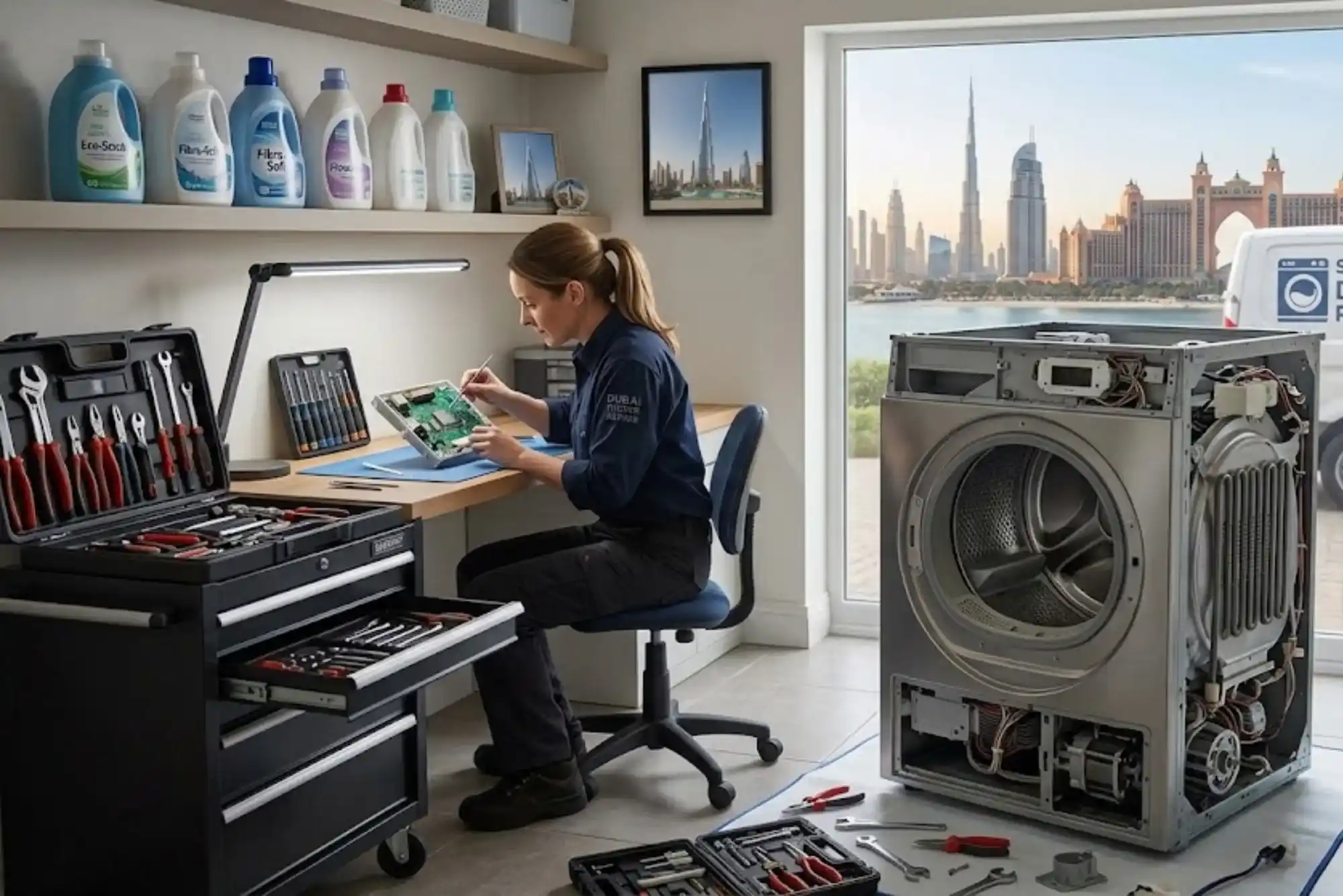
To test dry contacts accurately, a multimeter is the primary tool used. A digital multimeter allows you to measure resistance and continuity, both of which indicate whether the contact opens or closes as it should. Professional service centers also use insulated probes, diagnostic diagrams, and protective gloves to ensure safe handling. Understanding the wiring layout of the washing machine is essential to locate the relay or control module where the dry contacts are housed.
Testing begins by disconnecting the washing machine from the power source to eliminate the risk of electric shock. Once access to the control board or relay is gained, the multimeter is used to check for continuity when the relay is activated and open-circuit conditions when it is deactivated. Consistent readings confirm healthy contacts, while erratic or resistant readings suggest deterioration.
Recognizing Faulty Dry Contact Symptoms
When dry contacts malfunction, washing machines often behave unpredictably. The most common signs include cycles that fail to start, the drum not spinning, or the heater not engaging even though power is available. In digital machines, the control panel may display error codes indicating communication failures between sensors and the main board.
These problems stem from incomplete electrical signaling. For instance, a corroded contact may not fully close, preventing current flow to the intended component. Conversely, a contact stuck in a closed position can cause parts to run continuously, potentially leading to overheating or circuit damage. Regular testing ensures these problems are identified before they cause more extensive failures.
The Technical Process of Testing Dry Contacts
Testing dry contacts is a straightforward but precise process. Once the appliance is safely disconnected, the relay or switch containing the contacts is exposed. Using the multimeter set to continuity mode, probes are placed on the contact terminals. When the control circuit is energized, the meter should show a complete circuit if the contact is closing properly. When the circuit is de-energized, it should show open-circuit readings.
Technicians often repeat this process multiple times to ensure consistent results. Any hesitation, fluctuation, or unexpected resistance value points to worn or oxidized contact surfaces. In professional repair settings, relays with faulty contacts are either cleaned using contact-safe solvents or replaced entirely to restore reliable performance.
Safety Considerations During Testing
Testing electrical components in a washing machine requires careful attention to safety. Even after unplugging the appliance, capacitors within control circuits may retain residual voltage. Waiting for a few minutes and using insulated tools helps avoid electrical hazards.
It’s also crucial not to bypass or bridge contacts manually while the system is powered, as this can cause short circuits or component damage. For homeowners, it’s always safer to rely on professional appliance repair technicians who are trained to handle such tasks safely. Skilled experts understand how to manage electrical systems responsibly while ensuring full functionality after service.
Professional Testing and Repair Services
While testing dry contacts can be done with basic technical knowledge, modern washing machines often integrate complex electronic modules. This complexity makes professional service highly recommended. Certified technicians use specialized diagnostic equipment to detect not only faulty contacts but also related issues such as control board defects or wiring failures.
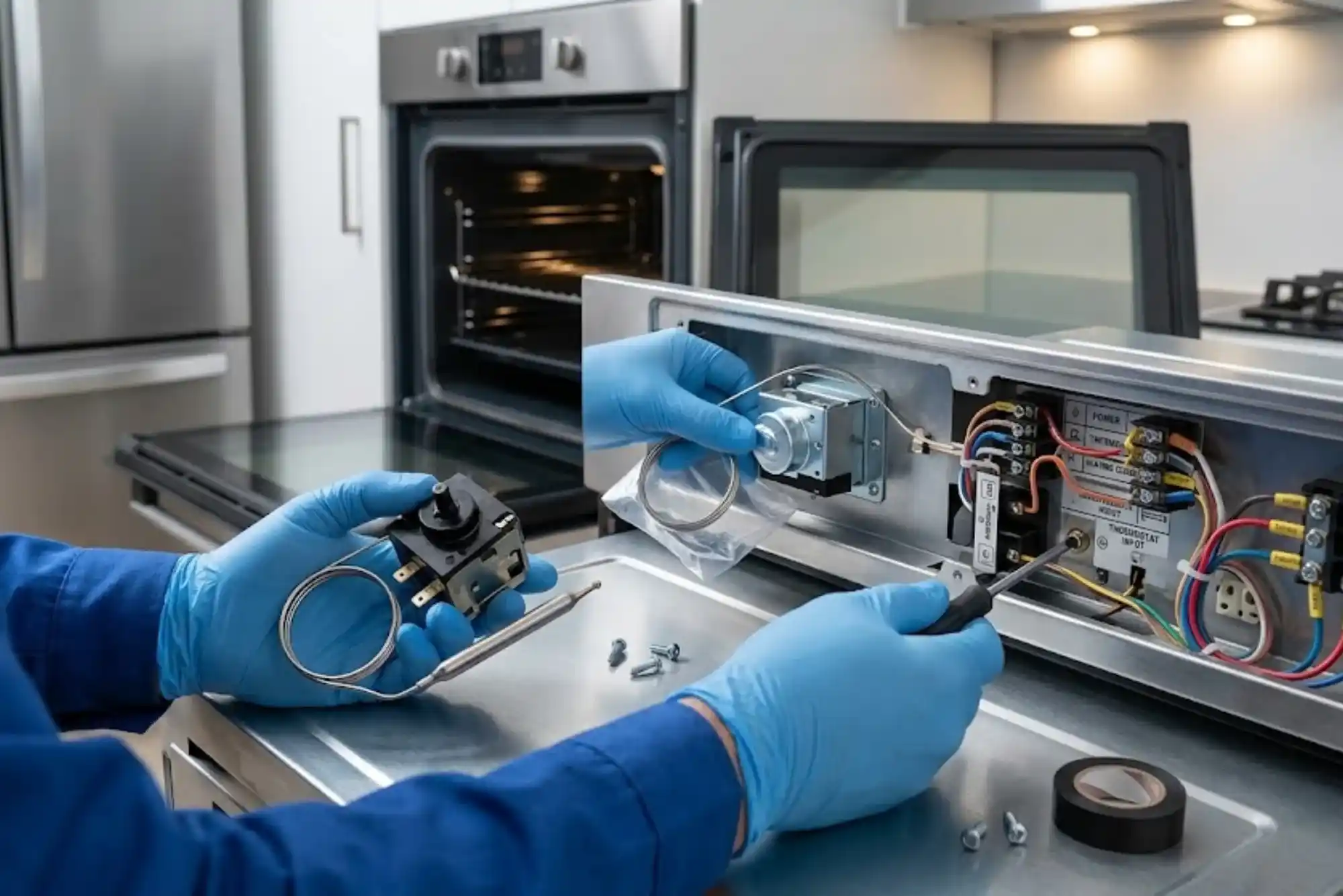
When dry contacts are found defective, they are either cleaned, replaced, or resoldered depending on the design of the relay or circuit board. Professional technicians also test associated components like thermostats, water inlet valves, and door locks to ensure no additional faults exist. Accurate diagnosis and repair ensure the washing machine operates safely and efficiently.
Ensuring Long-Term Reliability
After repairing or replacing faulty dry contacts, technicians perform functional tests to verify that the washing machine completes full wash cycles smoothly. Consistent temperature regulation, proper drum movement, and correct drainage confirm that the control system is communicating effectively through healthy contacts.
Maintaining the appliance through regular inspections helps prevent electrical degradation over time. Ensuring that wiring remains dry, connections are tight, and circuits are free from oxidation all contribute to the longevity of the control system. Preventive care extends the lifespan of both the contacts and the appliance as a whole.
Precision and Safety in Every Test
Testing washing machine dry contacts may seem like a small technical procedure, but it plays a major role in diagnosing and maintaining appliance performance. These tiny components ensure that the electrical logic of the machine functions as designed, coordinating every part from the motor to the heater.
Accurate testing demands a clear understanding of both electrical theory and appliance design. For homeowners unfamiliar with circuitry, professional technicians remain the safest choice. With their knowledge and precision tools, they can identify faults quickly and ensure every connection within the washing machine functions flawlessly.
In the end, whether it’s a simple continuity test or a complete electrical inspection, testing dry contacts is a vital part of modern appliance maintenance. It ensures the washing machine continues to deliver reliable, efficient performance—cycle after cycle.