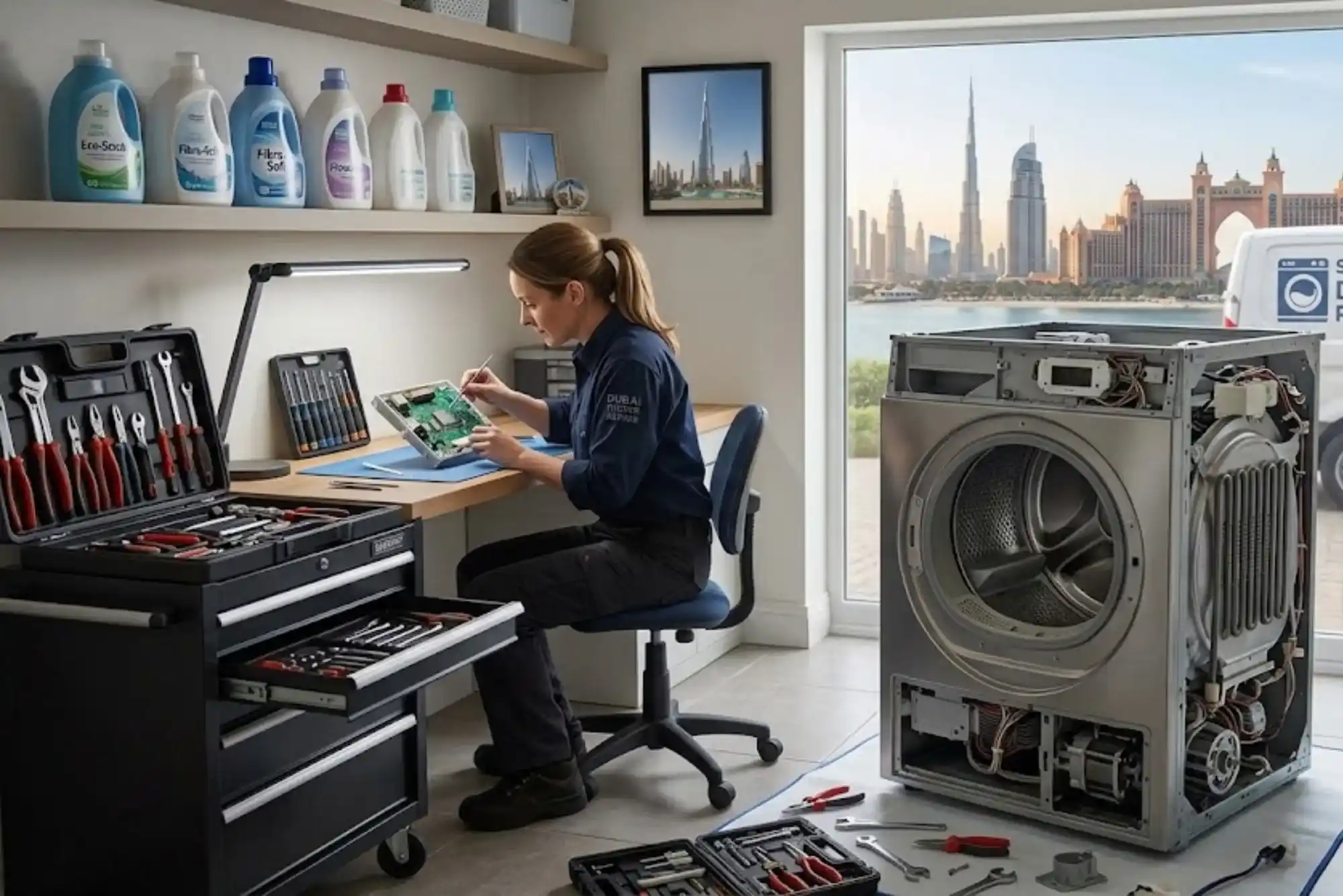
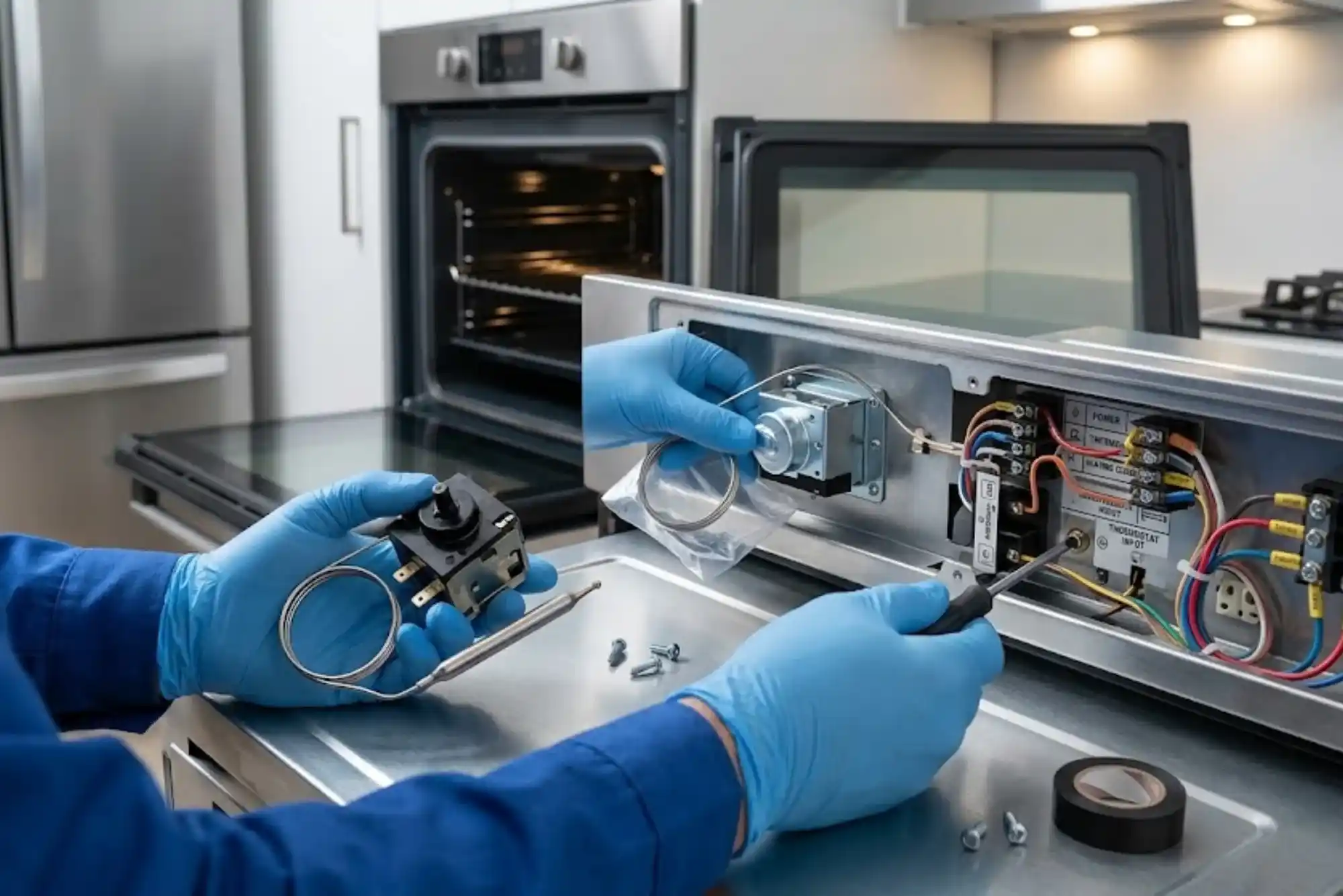
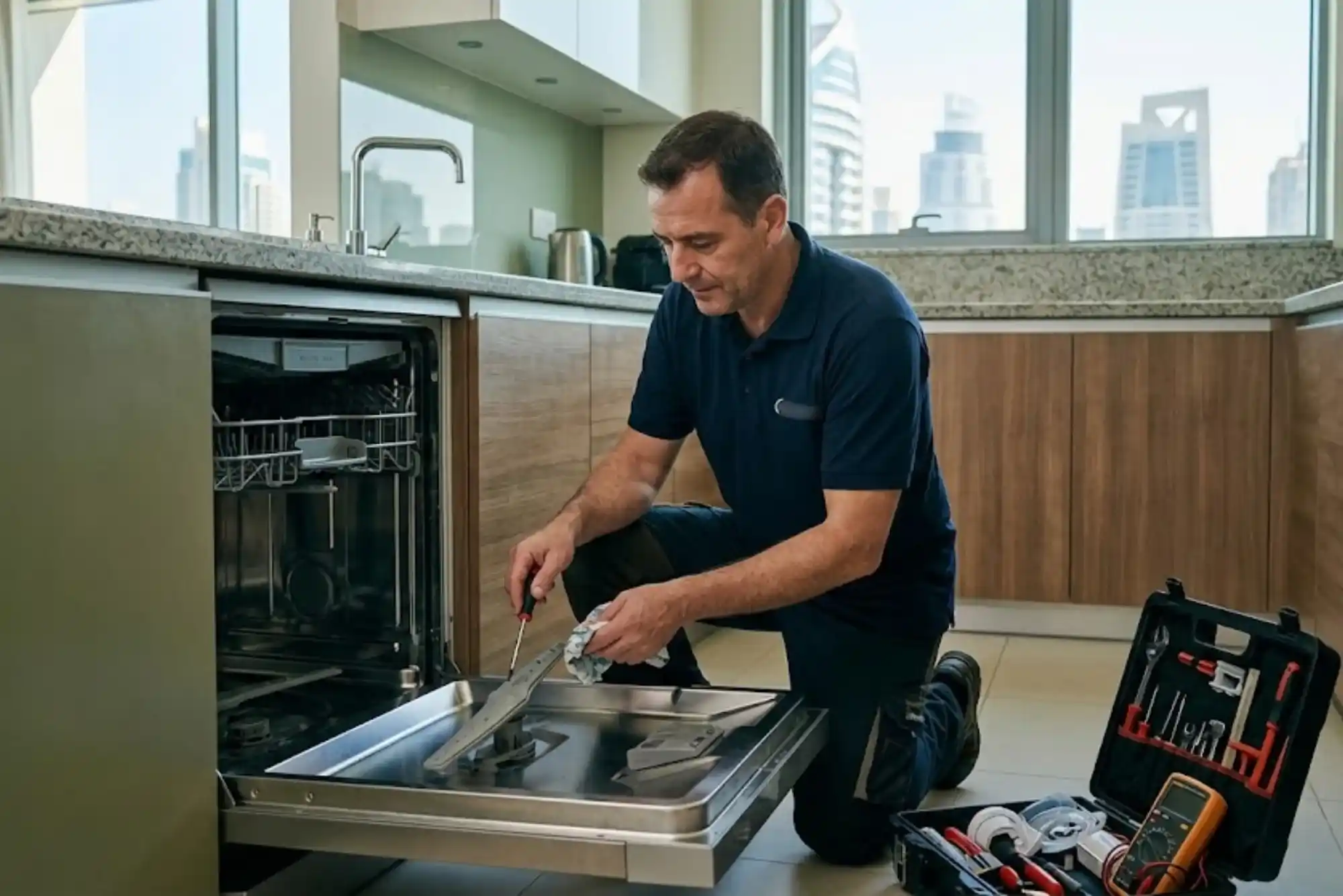
A washing machine is one of the most essential appliances in any modern home, designed to save time and effort in doing laundry. However, like all machines, it relies on several key components working perfectly together. One such critical part is the water level switch, also known as the pressure switch. This small but vital component ensures your washing machine fills with just the right amount of water. When it malfunctions, your washer may overfill, underfill, or fail to start the wash cycle altogether. Understanding how to test the water level switch is crucial to maintaining your appliance’s performance and preventing costly breakdowns.
Understanding the Function of the Water Level Switch
Before testing the water level switch, it’s important to know how it works. The water level switch is a pressure-sensitive device that communicates with the control board to regulate how much water enters the washing drum. When you start a wash cycle, water begins filling the tub. As the water level rises, air pressure builds up inside a small rubber or plastic tube connected to the switch.
Once the pressure reaches a specific point corresponding to the desired water level, the switch signals the inlet valve to stop water flow. This ensures that the washing machine neither overflows nor wastes energy by using excess water. A properly functioning switch keeps the washing process efficient and protects the internal components of the washer.
Common Signs of a Faulty Water Level Switch
When the water level switch fails, the symptoms can be easy to notice. For example, your washing machine might continue to fill without stopping, which could lead to water overflowing from the tub. Alternatively, it may not fill at all, leaving your clothes barely damp. Sometimes, the machine might stop mid-cycle, unable to proceed because it’s not receiving the right water level signal.
Another common sign is when the washer’s spin or rinse cycle behaves abnormally. If the switch is defective, the control board won’t get accurate information about the water level, leading to incomplete wash or rinse cycles. Understanding these symptoms can help you diagnose the problem faster before moving to the testing phase.
Safety Precautions Before Testing
Before beginning any diagnostic or repair process, safety should be your top priority. Always disconnect the washing machine from the electrical power supply to avoid the risk of electric shock. It’s also advisable to turn off the water supply connected to the washer. Make sure your hands and the surrounding area are dry before handling any internal components.

Having a multimeter and a basic screwdriver set is essential for this test. These tools will allow you to safely and accurately determine if the water level switch is functioning properly or needs replacement.
Locating the Water Level Switch
The water level switch is usually located behind the control panel or under the top cover of the washing machine repair depending on the model. It is typically a round plastic component with a small hose connected to it. You may need to remove the control panel or top lid to access it.
Once located, you’ll see the switch connected to three electrical terminals and a clear rubber or plastic hose. The hose runs down to the bottom of the tub. This is the pressure tube responsible for detecting air pressure changes as the water level rises.
Testing the Water Level Switch Mechanically
To perform a basic mechanical test, start by disconnecting the pressure hose from the switch. Blow gently into the hose and listen for a clicking sound from the switch. This click indicates that the diaphragm inside the switch is responding to pressure changes, a sign that it may still be functioning mechanically.
If there’s no clicking sound, it could mean the switch’s diaphragm is damaged or the internal mechanism is stuck. In this case, the switch likely needs replacement. However, mechanical testing alone doesn’t confirm electrical functionality, so you should also perform an electrical test using a multimeter.
Testing the Water Level Switch Electrically
Set your multimeter to the ohms (Ω) setting to test for continuity. Attach the meter probes to the terminals of the water level switch. Each switch may have a different terminal configuration, so referring to your washing machine’s wiring diagram is recommended.
When you apply pressure by blowing into the hose, the switch should open or close circuits, changing the continuity reading on your multimeter. If there is no change in readings when pressure is applied or released, it indicates that the internal electrical contacts of the switch are faulty and need replacement.
It’s essential to test all combinations of terminals because some switches operate on multiple levels — low, medium, and high. By testing continuity across all terminals, you can confirm whether the switch is functioning correctly for each setting.
Checking the Pressure Hose for Blockages
Sometimes, the water level switch itself may be working fine, but the issue lies in the pressure hose. Over time, detergent residue, lint, or debris can clog the hose, preventing accurate pressure transmission to the switch. Detach the hose and check for any blockages by blowing through it.
If you encounter resistance or notice any soap buildup, clean the hose thoroughly with warm water and mild detergent. Make sure it is completely dry before reattaching it to the switch. A clear hose ensures accurate air pressure transfer and helps the switch operate properly.
Reassembling and Testing the Washer
Once you’ve tested and cleaned the switch and hose, reassemble all the components. Reconnect the hose firmly to the switch and secure any screws or panels you removed earlier. Plug in the washer and turn on the water supply.
Run a test cycle using a small load of laundry to observe the machine’s behavior. Pay attention to how the washer fills and stops. If it fills to the correct level and proceeds to wash, rinse, and spin normally, the water level switch is working properly. If the issue persists, the problem might lie elsewhere, such as in the control board or water inlet valve.
When to Call a Professional Technician
While testing the water level switch can be a simple DIY process, not all homeowners are comfortable dealing with electrical components. If you feel unsure about performing these steps or if the switch appears functional but the washer still misbehaves, it’s best to call a professional technician.
An expert can use advanced diagnostic tools to determine whether the problem lies in the pressure system, control board, or wiring harness. Replacing the water level switch is generally inexpensive, but identifying the root cause of the issue ensures you don’t replace the wrong part.
Importance of a Properly Functioning Water Level Switch
A working water level switch does more than just control water intake—it protects your appliance from overflows and motor damage. Without it, the washer could continuously fill, leading to flooding and electrical hazards. It also ensures that your laundry cycles are efficient, saving water, detergent, and energy.
Moreover, modern washing machines rely heavily on accurate electronic feedback. A malfunctioning switch could confuse the control board, causing unpredictable wash behavior. Regular maintenance and timely testing can extend the lifespan of your appliance and improve its efficiency.
Knowing how to test a washing machine water level switch is an important skill for any homeowner who wants to keep their appliance in top condition. This component plays a crucial role in controlling how much water your machine uses during each wash cycle. By identifying the signs of malfunction early, taking the right safety precautions, and performing both mechanical and electrical tests, you can quickly determine whether the switch is working or needs replacement.
However, if you’re uncertain or face repeated problems even after testing, reaching out to a professional repair service is the wisest choice. A reliable technician can diagnose the issue accurately and ensure your washing machine operates safely and efficiently. Regular care and attention to small components like the water level switch can go a long way in preventing major appliance breakdowns and saving you time, money, and inconvenience in the long run.