An oven is one of the most essential appliances in both residential and commercial kitchens. Its role goes far beyond simply heating food—it ensures that meals are cooked evenly, flavors are preserved, and energy is used efficiently. Over time, however, ovens may experience heat loss, a subtle yet impactful issue that can compromise cooking performance, increase electricity consumption, and reduce the lifespan of the appliance. Addressing these issues through professional oven heat loss prevention repair is vital to maintain efficiency, safety, and reliability in the kitchen.
Understanding Oven Heat Loss
Oven heat loss is a common problem that occurs when the appliance is unable to retain the heat it generates. This can happen for various reasons, such as worn-out door seals, damaged insulation, or faulty internal components. When heat escapes, the oven struggles to maintain the desired temperature, which affects cooking performance and increases energy usage. The consequences can range from slightly longer cooking times to completely uneven or undercooked meals. Recognizing the signs of heat loss early allows homeowners and business operators to take prompt action and prevent long-term damage.
Common Causes of Oven Heat Loss
Several factors contribute to heat loss in ovens. The most frequent cause is deteriorated door seals or gaskets. These components form a barrier that traps heat within the oven chamber. Over time, frequent use and exposure to high temperatures can cause them to crack, shrink, or become misaligned, allowing heat to escape. Another significant factor is the insulation inside the oven walls. Poor or degraded insulation reduces the appliance’s ability to maintain a stable internal temperature. Additionally, problems with thermostats or heating elements can lead to uneven heat distribution, further exacerbating energy loss. Understanding these causes is crucial for effective repair and prevention.
The Impact of Heat Loss on Cooking and Energy
Heat loss in ovens has a direct impact on cooking quality. When the oven cannot retain heat, meals may cook unevenly, leading to burnt edges or undercooked centers. For bakers and chefs who rely on precise temperatures, even a minor temperature fluctuation can affect the texture and flavor of food. Beyond cooking performance, heat loss increases energy consumption. The appliance requires more electricity or gas to reach and maintain the desired temperature, which leads to higher utility bills. In commercial kitchens, this energy inefficiency can significantly affect operational costs. Therefore, addressing heat loss is not just a matter of convenience—it is an economic necessity.
Signs Your Oven Needs Heat Loss Repair
Identifying the signs of heat loss early can prevent more serious issues. Common indicators include difficulty reaching the desired temperature, inconsistent cooking results, longer preheating times, and fluctuating internal temperatures. Physical signs such as warped oven doors, damaged seals, or unusual gaps between the door and oven body are clear indicators of heat retention problems. In some cases, you may notice increased energy bills without any change in cooking habits. Recognizing these warning signs and seeking professional oven heat loss prevention repair can save both time and money while preserving the appliance’s functionality.
The Importance of Preventive Maintenance
Preventive maintenance is key to avoiding heat loss in ovens. Regular inspections allow minor issues to be addressed before they escalate into major problems. This includes checking the integrity of door seals, hinges, and insulation, as well as verifying the performance of heating elements and thermostats. Routine cleaning is also essential, as buildup of grease and debris can interfere with heat distribution and appliance efficiency. Professional services for oven heat loss prevention repair not only resolve existing problems but also provide guidance on best maintenance practices, ensuring the oven remains efficient and reliable over time.

Professional Repair Methods
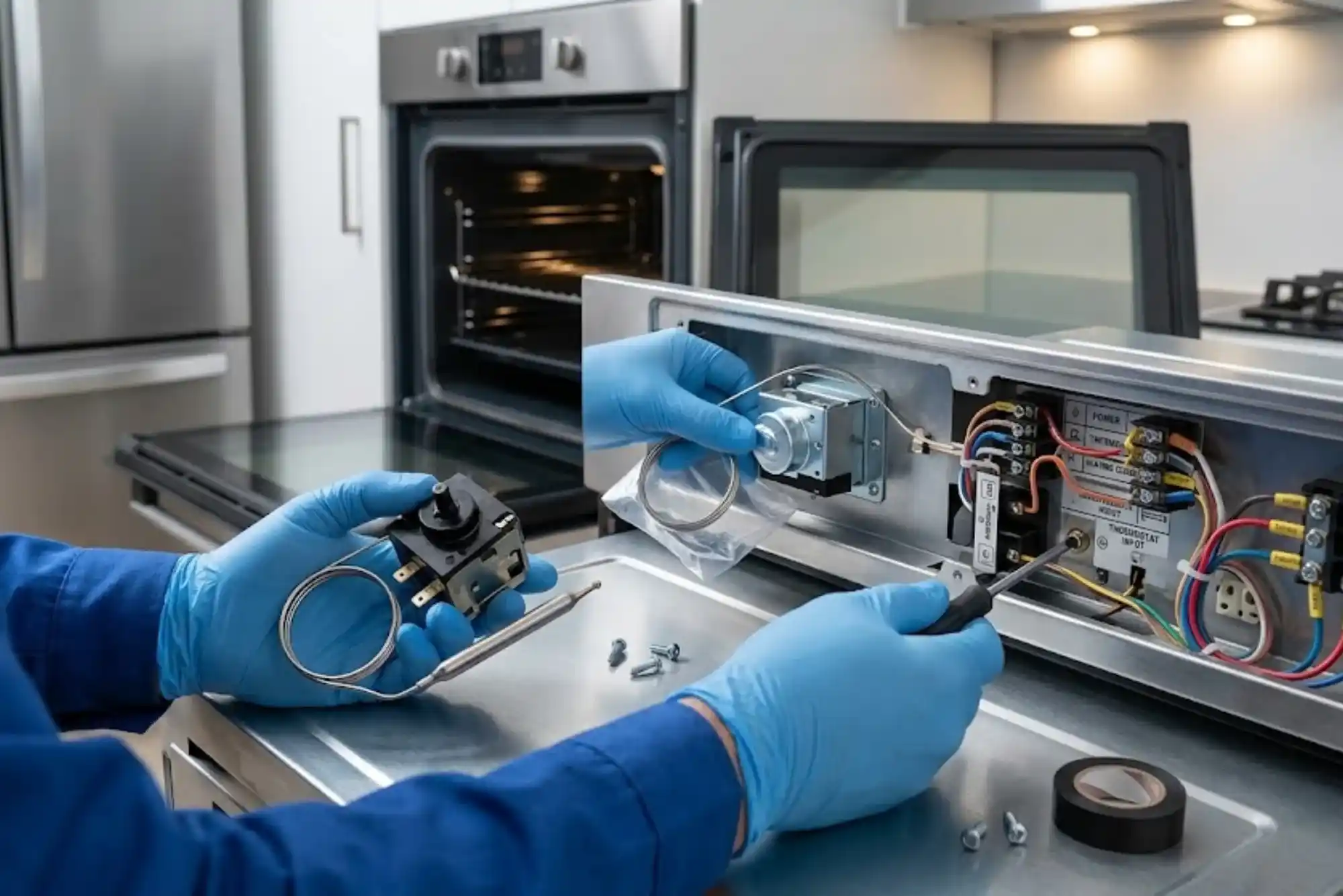
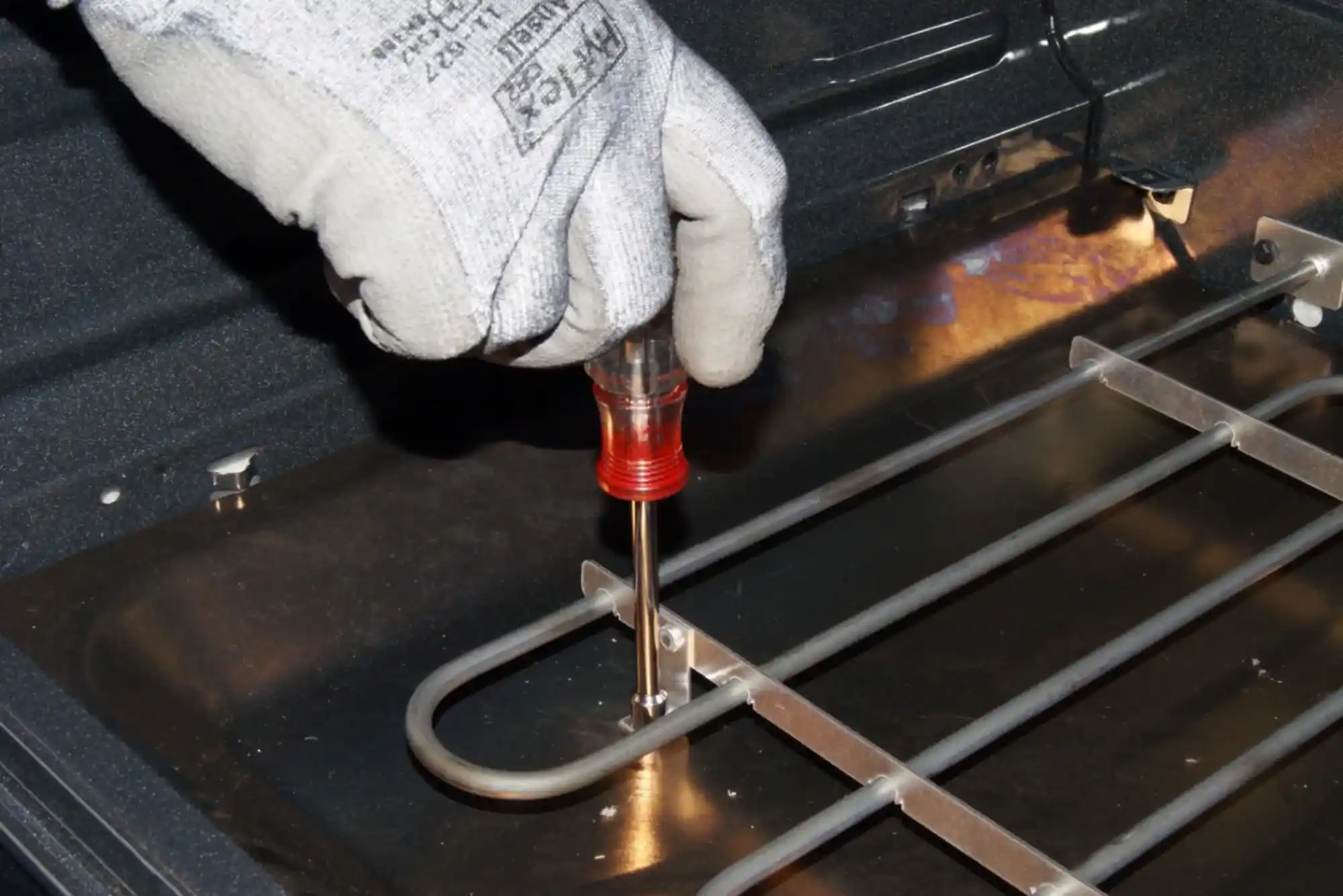
Professional repair techniques are tailored to address the root causes of heat loss. Technicians may replace worn-out door gaskets or seals, repair or upgrade insulation, and recalibrate thermostats to ensure accurate temperature control. In cases where heating elements are uneven or malfunctioning, replacements may be necessary to restore consistent performance. Unlike DIY solutions, professional repair ensures that safety standards are maintained, components are installed correctly, and the oven operates at peak efficiency. Expert intervention restores both functionality and reliability, giving homeowners and businesses confidence in their appliance.
Benefits of Professional Oven Heat Loss Prevention Repair
Investing in professional repair services provides multiple advantages. First, it improves energy efficiency, which translates into lower utility bills and reduced environmental impact. Second, it enhances cooking performance, ensuring meals are prepared evenly and reliably. Third, it extends the lifespan of the oven, preventing premature wear and costly replacements. Additionally, professional services offer peace of mind, knowing that the appliance is safe, well-maintained, and less likely to experience sudden failures. For commercial kitchens, these benefits are even more pronounced, as efficient ovens support smooth operations and high-quality food production.
How Heat Loss Affects Appliance Lifespan
Persistent heat loss can accelerate wear on an oven’s internal components. Heating elements work harder to compensate for escaping heat, which increases the likelihood of failure. Similarly, thermostats and electronic controls may be stressed by fluctuating temperatures, leading to costly repairs. Insufficient insulation can cause overheating of adjacent components, further reducing the appliance’s operational life. Addressing heat loss promptly through professional repair not only restores efficiency but also protects the overall health of the oven, ensuring it serves its purpose for many years.
Energy Conservation and Environmental Impact
Beyond personal and commercial benefits, preventing heat loss in ovens contributes to environmental sustainability. Appliances that operate efficiently consume less electricity or gas, reducing carbon emissions. In regions where energy costs are high, efficient ovens also minimize financial burden while supporting eco-friendly practices. Professional oven heat loss prevention repair is a practical solution for achieving these goals, as it ensures that the appliance retains heat effectively and performs optimally without unnecessary energy wastage.
Choosing the Right Repair Service
Selecting a reputable and experienced technician is crucial for effective oven heat loss repair. A qualified service provider possesses the technical expertise to diagnose problems accurately, uses high-quality replacement parts, and adheres to safety regulations. Evaluating certifications, reading customer reviews, and confirming service guarantees are essential steps in ensuring a professional repair. Choosing the right service provider not only restores the oven’s performance but also ensures that future maintenance is simplified and reliable.
Enhancing Cooking Precision
For individuals who prioritize cooking quality, maintaining proper heat retention in ovens is essential. Even minor fluctuations in temperature can affect baking, roasting, or slow-cooking processes. By ensuring that the oven holds heat consistently, professional repair supports precision cooking, helping meals achieve the desired texture, flavor, and presentation. This is particularly important in commercial settings, where consistent food quality is critical for customer satisfaction and reputation.
The Long-Term Value of Repair
Investing in oven heat loss prevention repair provides long-term value. While the initial cost may seem significant, the benefits—ranging from energy savings to extended appliance life—quickly outweigh the expense. A well-maintained oven reduces operational disruptions, prevents costly breakdowns, and ensures that both home cooks and professionals can rely on their equipment. Regular repair and maintenance also preserve the resale value of the appliance, which is an added advantage for those who may upgrade in the future.
Oven heat loss is a problem that affects performance, energy efficiency, and appliance longevity. Recognizing the signs early and seeking professional oven heat loss prevention repair ensures that ovens operate safely, reliably, and efficiently. From restoring insulation and replacing faulty seals to recalibrating heating elements, professional repair addresses the root causes of heat loss and delivers long-lasting benefits.
Regular maintenance, expert intervention, and timely care not only enhance cooking precision but also save energy, reduce costs, and extend the life of your oven. Investing in professional repair is a proactive approach that guarantees optimal performance and a consistent, enjoyable cooking experience for years to come.