Introduction
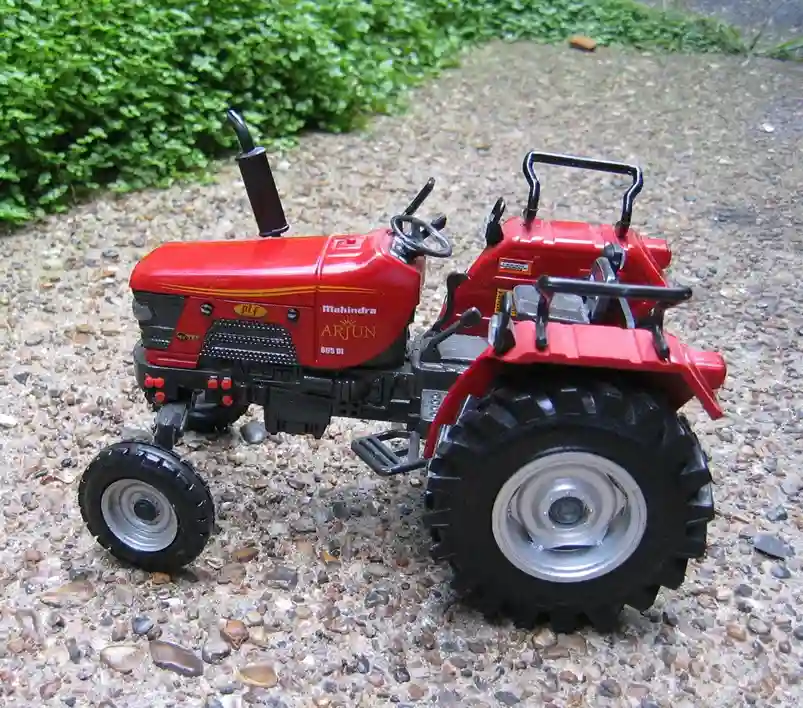
A tractor is more than a machine parked beside a barn. For farmers, acreage owners, homesteaders, and land managers, it becomes part of the property’s daily working language. It may be used for mowing, hauling, grading, soil preparation, loader work, fence maintenance, driveway care, livestock support, garden projects, and seasonal cleanup. When the tractor fits the land, it quietly removes friction from the workday. When it does not fit, every job begins to feel heavier than it should.
The best tractor decision starts before a buyer looks at horsepower ratings or model names. It starts with the land itself. How much ground needs to be maintained? Are there slopes, tight gates, soft soil, gravel drives, barns, gardens, trees, or livestock areas? Will the tractor handle daily chores or occasional projects? These questions help shape a purchase that supports real work instead of showroom excitement.
Begin With the Jobs That Repeat Most Often
A tractor should be chosen around repeated tasks. A property that needs regular mowing and light material handling may require a different machine from one that depends on heavy loader work, tillage, pasture maintenance, or grading. Buyers should separate frequent jobs from rare projects. A task performed every week deserves more influence over the decision than a project that may happen once every few years.
For farmers and landowners comparing size, power, comfort, attachments, and service support, selecting a tractor should come down to how well the machine matches the property’s real workload. The right choice should support mowing, hauling, grading, soil preparation, and everyday maintenance without forcing the owner to work around poor fit, awkward controls, or unnecessary machine size.
Horsepower Is Important, but It Is Not the Whole Story
Horsepower matters, but it should not dominate the buying decision. Tractor weight, hydraulic capacity, lift rating, tire type, transmission style, hitch compatibility, visibility, and operator comfort all affect how useful the machine becomes. A tractor with more power than needed can still be frustrating if it is too wide for gates, too heavy for soft turf, or poorly matched to the attachments the owner plans to use.
Maneuverability Can Save Time
Many rural properties are not wide-open fields. They include barns, sheds, gardens, fences, trees, drainage areas, and finished outdoor spaces. A tractor that can move cleanly through these areas may be more valuable than one with extra power but poor maneuverability. Practical fit is what turns ownership into productivity.

Buyers should also think about storage and access. A machine that barely fits in a shed or requires constant repositioning to attach implements may become annoying over time. The tractor should feel like it belongs on the property, not like a metal guest that always blocks the doorway.
Comfort and Property Systems Both Matter
A tractor often supports more than fieldwork. It may help maintain the area around homes, workshops, barns, gardens, greenhouses, driveways, and utility spaces. On rural properties, comfort and reliability are connected to the whole environment. If buildings, cooling systems, water systems, or work areas fail during a busy season, equipment plans can be interrupted quickly.
This is why landowners often think about emergency support across the entire property, not just machinery. The same readiness mindset behind same-day HVAC repair and installation applies to tractor ownership: critical systems should be serviceable, dependable, and ready before pressure arrives. Whether the issue is indoor comfort, machinery downtime, or seasonal land care, preparation protects the workday.
Attachments Decide Daily Usefulness
The tractor provides power, but attachments turn that power into useful work. A loader can move soil, gravel, compost, feed, mulch, firewood, and debris. Pallet forks can handle supplies, fencing material, seed, tools, and stored equipment. A rotary cutter can manage rough grass and field edges. A box blade can repair gravel lanes and improve drainage. A tiller can support gardens, food plots, and small crop areas.
Attachments should be considered before purchase, not after. The tractor must have the correct horsepower, hydraulic flow, hitch setup, lift capacity, and ballast for the tools the owner expects to use. A strong attachment plan can make one tractor serve many roles, while a poorly matched plan can leave the machine underused or overstressed.
Technology Is Changing Tractor Expectations
Farm equipment is moving toward smarter systems, cleaner power, automation, and data-supported operation. Not every small farm or rural property needs advanced technology immediately, but the direction of the industry still matters. Buyers should think about long-term serviceability, comfort, efficiency, and how future tools may affect their equipment needs.
Coverage of driver-optional electric tractor technology shows how agriculture is experimenting with automation, electric power, and labor-saving systems. For today’s tractor buyer, the practical lesson is not to chase every new idea. It is to choose equipment that is dependable now while leaving room for a future where efficiency and adaptability matter even more.
Maintenance Support Should Influence the Purchase
A tractor is a long-term investment, so maintenance should be part of the buying decision. Filters, fluids, grease points, belts, batteries, hydraulic connections, tires, cooling systems, lights, and attachment hardware all need attention. A machine that is easy to service is more likely to stay dependable through demanding seasons.
Owners should also keep a simple service record. Tracking maintenance dates, part numbers, repairs, attachment use, and recurring issues can prevent future guesswork. Good records may not look impressive, but they can save hours when a small problem appears during a crowded week.
Brand Section: H&R Agri-Power
H&R Agri-Power supports farmers, homesteaders, acreage owners, and rural property managers who need equipment choices grounded in real work. Tractor selection involves land size, terrain, attachments, storage, operator comfort, maintenance expectations, and long-term service support. A useful tractor should match the property rather than force the owner to reshape every job around the machine.
That kind of practical guidance helps buyers avoid choosing too much tractor, too little tractor, or a setup that does not fit their workload. A knowledgeable equipment source can help turn a purchase into a complete plan for mowing, hauling, grading, soil preparation, cleanup, and year-round land care.
Conclusion
The right tractor decision begins with honest observation. Buyers should study their land, list repeated jobs, consider attachments, compare comfort features, review storage, and plan for maintenance before choosing a machine. Horsepower matters, but fit matters more.
When size, power, maneuverability, attachments, service support, and future needs are matched carefully, a tractor becomes more than equipment. It becomes a dependable working partner that helps keep rural property productive, organized, and ready for each season’s demanding little orchestra of tasks.
Related Reading: Licochalcone A powder & manufacturers: Molecular Purity, Formulation Specs, and Anti-Inflammatory Data
Related Reading: Where to Find NBA Jerseys Low Price and Soccer Jerseys Cheap Online?
Related Reading: Canada Job Visa: Work Permit Guide for Pakistanis