The Impact of Clogged Air Gaps
When it comes to maintaining the smooth functioning of a dishwasher, most people focus on cleaning the filter, removing food debris, or checking for drain clogs inside the unit. However, one small but essential component often goes unnoticed—the air gap. This simple yet critical part of the dishwasher’s drainage system plays a huge role in preventing wastewater from backing up into your appliance. When the air gap becomes clogged, the impact can ripple throughout the entire dishwasher system, leading to serious performance issues and even costly repairs if left unresolved. Understanding the role of the air gap and recognizing the signs of trouble can help homeowners ensure their dishwashers continue working efficiently.
What is a Dishwasher Air Gap?
The air gap is a small cylindrical fixture often mounted near the sink faucet, typically with a decorative cap. Its primary purpose is to create a physical barrier that prevents dirty water from re-entering the dishwasher after it has been drained. By allowing a break in the line between the dishwasher drain hose and the household plumbing, it ensures that wastewater from the sink or garbage disposal does not flow backward into the clean dishes.
In essence, the air gap is a safeguard against cross-contamination. Without it, contaminated water could easily mix back into the dishwasher, making the cleaning process ineffective and unsanitary. While it may appear insignificant in size, its function is indispensable to keeping your kitchen environment safe and your appliance functioning as intended.
How Air Gaps Become Clogged
Like other parts of the dishwasher, the air gap can accumulate debris over time. Food particles, grease, soap scum, and other residues can get lodged in the small openings, restricting the smooth passage of drained water. Clogs may develop gradually as residues build up, or they can occur suddenly if a large particle or object becomes trapped inside the hose connected to the air gap.
In kitchens where the garbage disposal is heavily used, clogs are more frequent, since food waste can travel up into the air gap connection. Additionally, grease poured down the sink can harden and obstruct the flow of water through the drain line, eventually impacting the air gap as well. These clogs reduce the efficiency of water drainage, causing backups and noticeable performance problems in the dishwasher cycle.
Signs of a Clogged Air Gap
A clogged air gap usually makes its presence known in visible ways. One of the most common symptoms is water spilling out of the air gap cap and onto the countertop during the dishwasher’s drain cycle. This overflow indicates that water is unable to move freely through the hose and is being forced upward instead.

Another sign is standing water in the dishwasher after a completed cycle. Because the water cannot drain properly through the clogged air gap, it accumulates at the bottom of the tub. This not only results in unclean dishes but also creates the perfect environment for bacteria and foul odors to develop.
Strange gurgling sounds during drainage can also point to an air gap blockage. As water struggles to move past the obstruction, it produces noises that signal restricted flow. If these issues are left unresolved, the overall performance of the dishwasher suffers, leaving homeowners frustrated with ineffective cleaning results.
Impact on Dishwasher Performance
The consequences of a clogged air gap are far-reaching. At the most basic level, a blockage prevents the dishwasher from draining efficiently. This leads to dirty water being trapped inside the appliance, reducing its ability to properly clean dishes during the next cycle. Over time, this affects not only the cleanliness of your kitchenware but also the sanitation of your dishwasher.
More concerning is the risk of contaminated water backing up into the dishwasher. Since the air gap serves as a safety mechanism against cross-contamination, a clog undermines its effectiveness. This means dirty sink water, full of grease and food waste, could find its way back into the dishwasher chamber. The result is not only poor washing performance but also potential health risks.
In addition, constant backups put unnecessary strain on the dishwasher’s pump and motor. As the machine struggles to push water through a restricted system, these components work harder, which can shorten their lifespan. What starts as a simple clog could eventually escalate into a breakdown, leading to expensive repairs or the need for replacement parts.
Plumbing System Concerns
Beyond the dishwasher itself, a clogged air gap can have implications for the wider plumbing system. If water cannot flow smoothly, it can cause pressure buildup in the drain lines, leading to leaks, loose fittings, or even pipe damage. Overflows from the air gap can also damage countertops and cabinets, especially if the problem goes unnoticed for a prolonged period.
These plumbing issues highlight the importance of treating the air gap not as a minor fixture but as a vital part of the household’s drainage infrastructure. Neglecting maintenance could result in more than just a poorly functioning dishwasher—it could compromise the integrity of your kitchen plumbing.
Why Professional Service is Essential
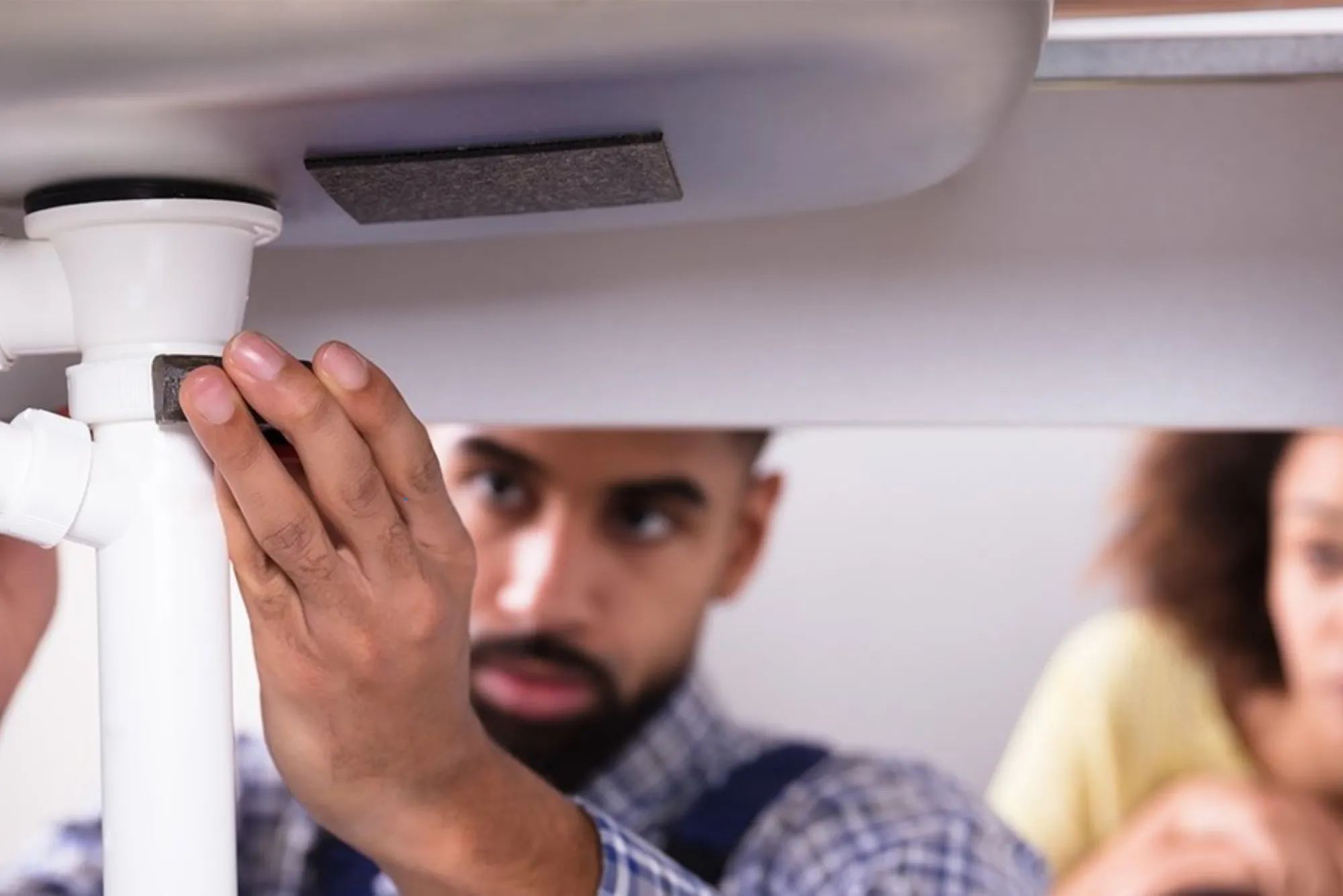
Although some homeowners attempt to clean the air gap on their own, the process can sometimes be more complex than it appears. Disconnecting hoses, clearing debris, and ensuring the lines are properly reconnected require careful handling to avoid damaging the system.
A professional appliance repair service brings the expertise and tools needed to not only clear the air gap but also inspect the entire drainage system. Technicians can identify whether the problem lies solely within the air gap or if there are deeper blockages in the hoses, garbage disposal, or sink plumbing. This thorough approach ensures the issue is resolved at its source, preventing future complications.
Moreover, professionals can provide valuable maintenance advice. They may recommend regular cleanings, the use of enzyme-based cleaners, or safe disposal practices to minimize the risk of future clogs. By relying on professional services, homeowners gain peace of mind knowing their dishwasher is protected from both performance and safety issues.
Preventive Maintenance for Long-Term Efficiency
Preventing air gap clogs is always easier and more cost-effective than dealing with the consequences of neglect. Homeowners are advised to adopt good kitchen habits, such as avoiding pouring grease down the sink and properly scraping food debris from dishes before loading them into the dishwasher.
Regular visual inspections of the air gap fixture can help catch early signs of blockage. If water is observed leaking from the cap, it should not be ignored, as it is often the first indicator of a clog. Scheduling periodic maintenance with an appliance repair service is another proactive step that keeps the drainage system in good condition.
Preventive care not only extends the lifespan of the dishwasher but also ensures consistent cleaning performance. Since dishwashers are used daily in most households, ensuring that every cycle runs smoothly contributes to both convenience and hygiene.
The Cost of Ignoring Clogged Air Gaps
Failing to address clogged air gaps can lead to mounting expenses. What begins as water overflow onto the counter could turn into damaged cabinets, warped flooring, and even mold growth from prolonged exposure to moisture. Inside the dishwasher, standing water can corrode components, requiring costly replacements.
In the worst-case scenario, the entire appliance may fail prematurely due to the strain caused by persistent drainage issues. At that point, the cost of replacement far exceeds the price of routine maintenance or timely repair. This makes it clear that ignoring the air gap is not just a minor inconvenience but a financially unwise decision.
The impact of clogged air gaps is often underestimated, yet their role in maintaining dishwasher performance and kitchen hygiene is undeniable. From preventing backflow contamination to ensuring efficient drainage, the air gap is a small component with a big responsibility. When it becomes clogged, the effects are felt across the appliance and the plumbing system, resulting in inefficiency, health risks, and potential financial burdens.