Ovens are among the most relied-upon appliances in modern kitchens, both in homes and commercial foodservice environments. From roasting meats to baking pastries, ovens play a central role in daily meal preparation and industrial-scale food production. Yet, behind the efficiency and precision of these machines lies a persistent and often overlooked issue—grease buildup. Over time, accumulated grease can compromise oven performance, increase energy consumption, and pose risks to both health and safety. Understanding the full scope of grease buildup’s impact on oven efficiency is essential for homeowners, restaurant operators, and facility managers alike.
Understanding Grease Accumulation in Ovens
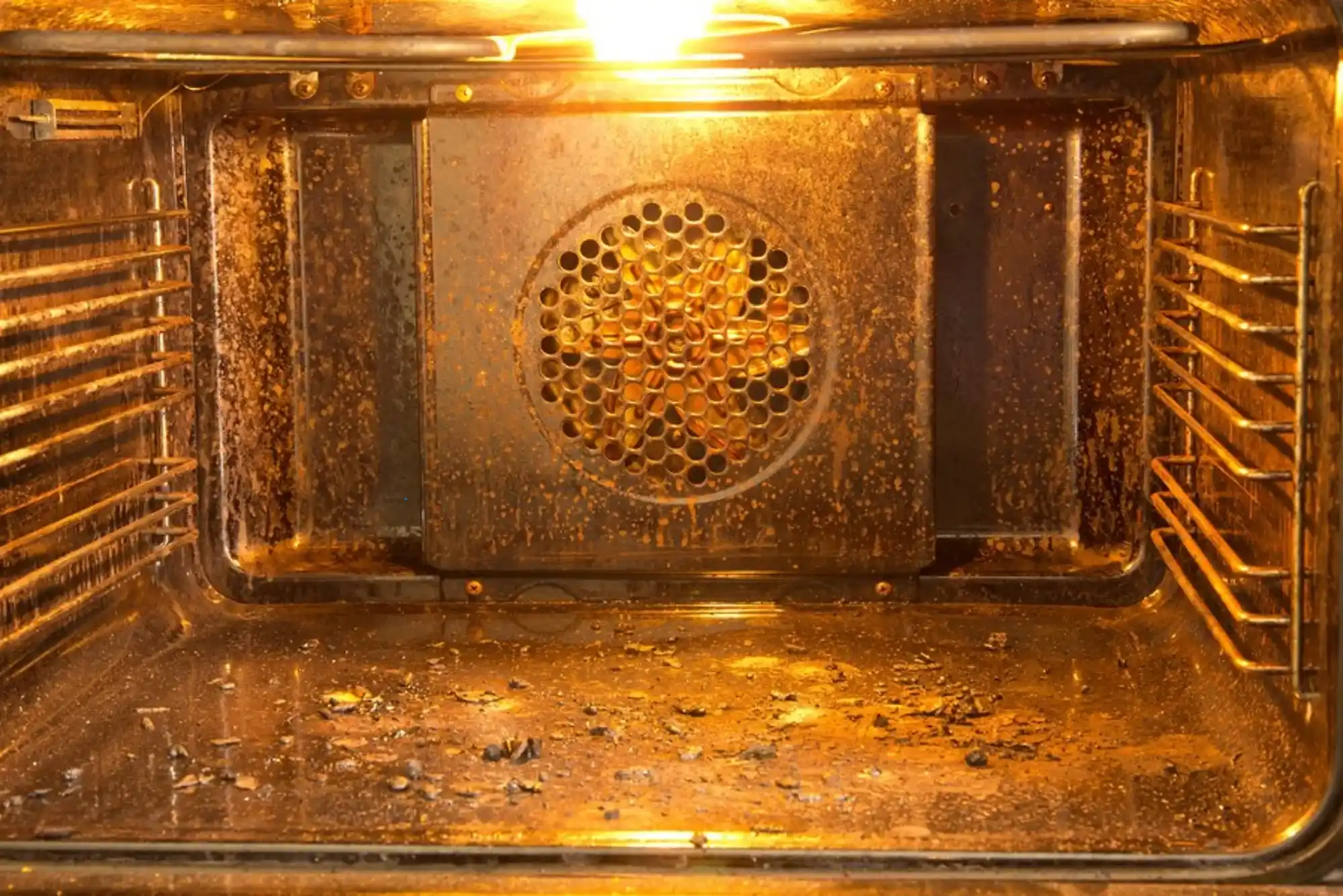
When food is cooked, fats, oils, and food particles inevitably release vapors and splatters. These airborne residues settle inside the oven chamber, coating surfaces, vents, and heating elements with a thin, sticky film. While minor deposits may seem harmless at first, repeated exposure to heat causes grease to carbonize and harden, making it increasingly difficult to remove.
In residential ovens, grease tends to collect along oven walls, racks, and glass doors. In commercial kitchens, where ovens run for long hours and prepare high-fat foods in large volumes, buildup accumulates more rapidly. Without consistent cleaning, these deposits form layers that alter heat distribution and airflow. What begins as a cosmetic nuisance eventually becomes a technical problem affecting the oven’s overall efficiency.
The Link Between Grease and Energy Consumption
One of the clearest ways grease impacts oven efficiency is through energy usage. Ovens rely on direct heat transfer, whether from electric heating coils or gas burners, to cook food evenly. When grease coats heating elements or interior surfaces, it acts as an insulating barrier. Heat transfer becomes less effective, forcing the oven to work harder and run longer to reach the desired temperature.
For electric ovens, this inefficiency translates to increased power consumption and higher utility bills. In gas ovens, grease buildup may obstruct flame ports or ventilation pathways, reducing combustion efficiency and raising gas usage. In both cases, the appliance consumes more energy than necessary, undermining sustainability goals and inflating operating costs.
A study of commercial kitchen appliances revealed that poorly maintained ovens can require up to 20% more energy to perform the same cooking tasks compared to clean, well-maintained units. This inefficiency is not just a financial burden—it also contributes to environmental waste through unnecessary energy demand.

Grease and Heat Distribution Challenges
Oven efficiency is not measured by energy use alone; cooking consistency is equally important. Grease deposits interfere with heat circulation within the oven cavity. Over time, greasy residues absorb and radiate heat unevenly, creating “hot spots” and “cold spots.”
For home cooks, this can mean undercooked centers or over-browned edges on baked goods. For commercial kitchens, inconsistent cooking can compromise food quality, leading to wasted ingredients, rejected dishes, and dissatisfied customers. In precision-driven industries such as bakeries or catering, even small temperature variations caused by grease buildup can undermine product uniformity and brand reliability.
By altering heat distribution, grease buildup undermines the oven’s ability to deliver predictable, repeatable results—a cornerstone of true efficiency.
The Safety Hazards of Grease Buildup
Beyond efficiency, grease buildup introduces significant safety concerns. Grease is highly flammable, and ovens with excessive buildup are at heightened risk of fire. Once ignited, grease can spread quickly, fueled by the very substance designed to aid cooking. Residential fires caused by oven grease are a common occurrence, while in commercial kitchens, such incidents can escalate into costly damages, downtime, and liability issues.
Even when fires do not occur, grease accumulation can release harmful fumes when exposed to repeated high heat. These emissions may degrade indoor air quality, irritate respiratory systems, and create an unpleasant working or living environment. In foodservice establishments, airborne grease particles can even travel into ventilation systems, compounding maintenance challenges and introducing further fire hazards in ducts and hoods.
Thus, grease buildup is not just a matter of lost efficiency—it is a risk factor that threatens health, property, and business continuity.
Maintenance and Longevity of Oven Components
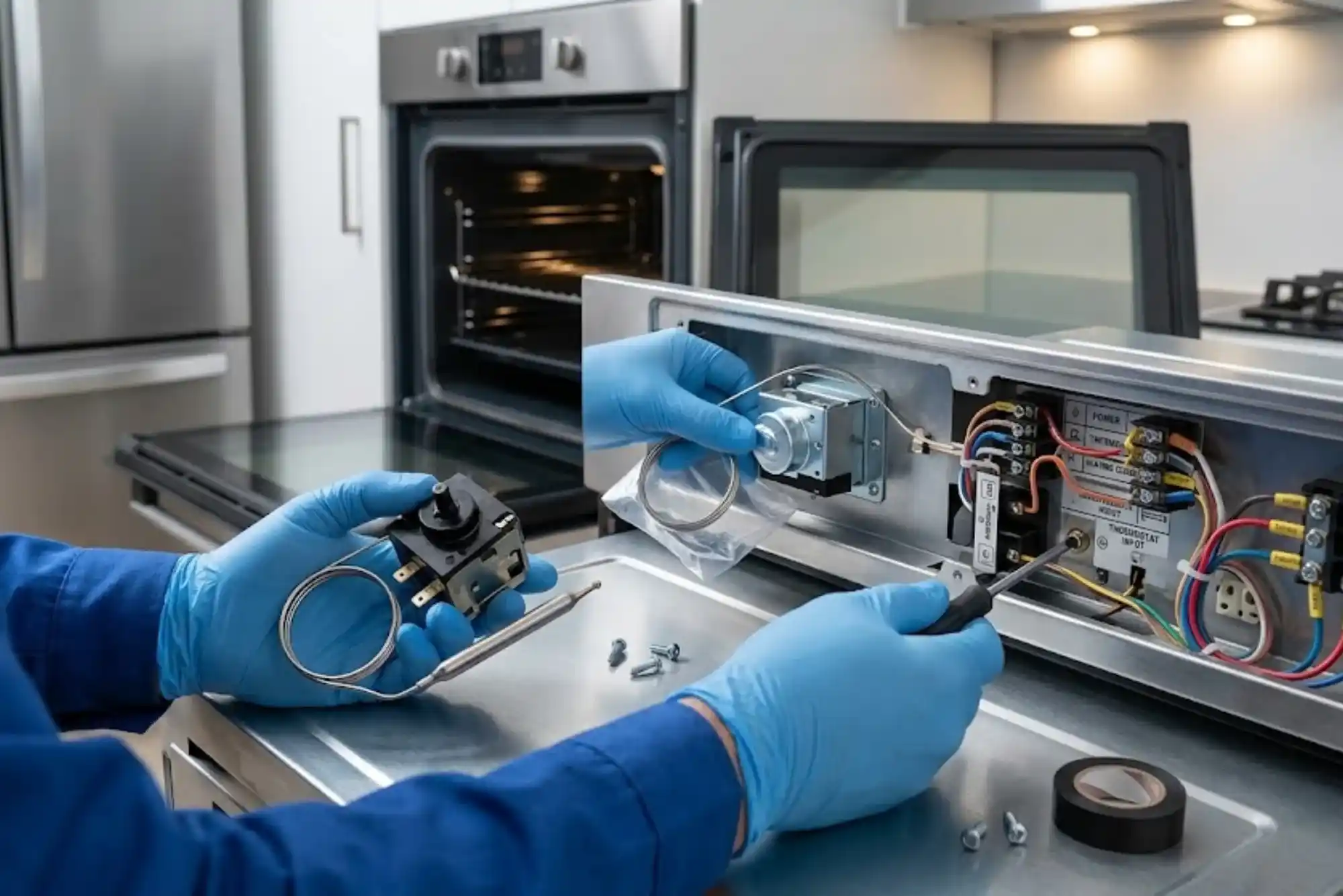
The efficiency of an oven also depends on the condition of its mechanical and electrical components. Grease buildup accelerates wear and tear in multiple ways. For example, fans designed to circulate air become clogged with sticky residue, reducing their effectiveness and overworking their motors. Heating elements exposed to repeated layers of grease may corrode faster or fail prematurely.
In gas ovens, blocked burners and valves can cause incomplete combustion, producing carbon monoxide and posing further hazards. Door seals contaminated with grease may lose their integrity, allowing heat to escape and forcing the oven to work harder to maintain set temperatures.
The cumulative result is a shorter appliance lifespan. An oven that could otherwise last 10–15 years may require costly repairs or replacement years earlier, representing not just a maintenance expense but also an efficiency setback.
Economic and Environmental Implications
The financial impact of grease buildup is multifaceted. Higher energy bills, frequent repairs, and shortened equipment lifespans all add up to significant costs over time. For businesses operating multiple ovens, such as restaurants, bakeries, or institutional kitchens, the economic burden multiplies quickly.
On a broader scale, inefficient ovens contribute to environmental stress. Every additional kilowatt-hour of electricity or cubic foot of gas consumed increases greenhouse gas emissions. With the foodservice sector already among the largest energy consumers in the commercial building category, addressing grease buildup is not just about saving money—it is also a matter of environmental responsibility.
For homeowners, improved oven efficiency means both reduced household expenses and a smaller personal carbon footprint. For businesses, it can align with corporate sustainability goals and regulatory compliance, while simultaneously boosting profitability.
Best Practices for Preserving Oven Efficiency
Although grease buildup is inevitable in active kitchens, its impact on oven efficiency can be controlled with proper maintenance practices. Regular cleaning is the most effective defense. Homeowners can use mild degreasers or natural solutions like baking soda and vinegar for routine upkeep. Commercial facilities, however, often require professional cleaning services capable of dismantling components and removing hardened deposits from hidden areas.
Scheduled cleaning not only restores oven efficiency but also helps operators comply with safety codes and food safety regulations. For businesses, documenting maintenance routines also demonstrates due diligence in case of inspections or liability concerns.
Preventive measures, such as using oven liners, covering high-fat foods, and wiping spills promptly, can slow the rate of buildup. Still, consistent deep cleaning remains non-negotiable for sustaining long-term performance.
The Future of Oven Design and Grease Management
Appliance manufacturers are increasingly aware of the impact grease has on oven efficiency, and design innovations are emerging to mitigate the problem. Self-cleaning ovens, for example, use high-heat cycles to burn off grease residues. However, these features consume significant energy themselves and may not eliminate buildup in every area.
Some modern ovens integrate catalytic liners that break down grease during cooking, while others employ advanced coatings designed to resist adhesion. In the commercial sector, new technologies in filtration, ventilation, and automated cleaning systems are being introduced to reduce manual labor and extend equipment efficiency.
The future of oven design is likely to balance performance, safety, and sustainability, with grease management remaining central to that equation. Nonetheless, no technological advancement will fully replace the necessity of human diligence in cleaning and maintenance.
Grease Control as a Path to Efficiency
Grease buildup may begin as a minor inconvenience, but its cumulative effects on oven efficiency are profound. From higher energy consumption and uneven cooking to increased fire risks and shortened equipment lifespan, the consequences touch every dimension of performance, safety, and cost.
Addressing grease buildup is not merely about cleanliness—it is about preserving the core functionality of ovens, safeguarding health, and supporting environmental sustainability. Whether in a family kitchen or a large-scale foodservice operation, the efficiency of an oven directly reflects the care it receives. By recognizing grease as a hidden obstacle to performance and committing to proactive maintenance, users can unlock both economic and ecological benefits while ensuring that ovens deliver consistent, reliable results for years to come.