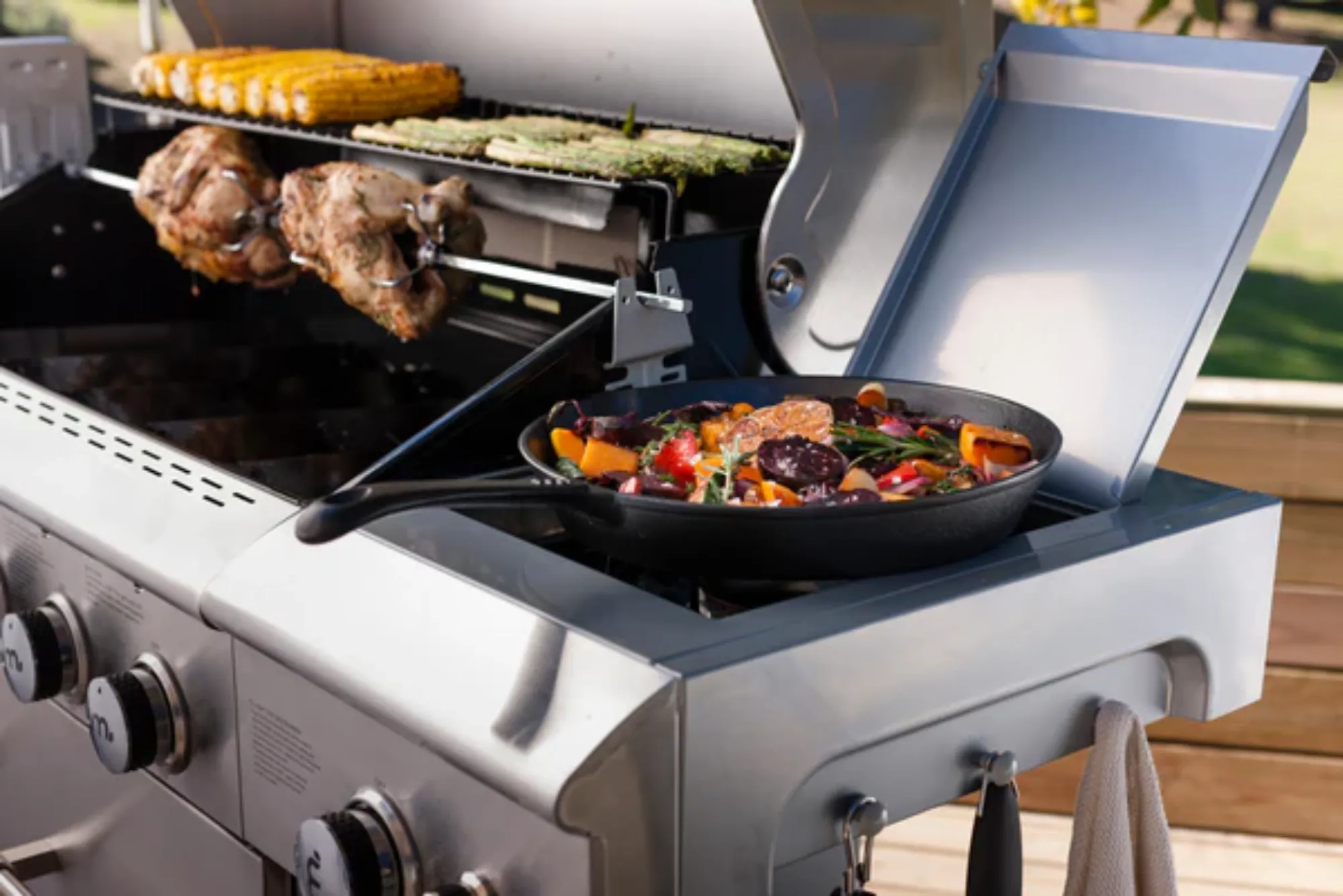
In the modern kitchen, the stove is more than just a piece of equipment—it is a centerpiece of daily cooking, a tool that brings together flavors, cultures, and families. With advanced models, stoves are no longer limited to simple heating functions. Grill mode, for example, has become increasingly popular because it allows home cooks to replicate smoky, charred flavors without needing a separate outdoor grill. But while grill mode enhances culinary creativity, it also raises a pressing question: does frequent use of grill mode shorten the lifespan of a stove?
Understanding the relationship between advanced functions like grill mode and the durability of kitchen appliances is essential for consumers and manufacturers alike. The answer lies not only in the technical workings of the stove but also in how it is used, maintained, and cared for over time.
The Role of Grill Mode in Modern Stoves
Grill mode is designed to mimic the high, direct heat of an outdoor barbecue. Depending on the stove type—gas, electric, or induction with integrated grilling elements—this mode uses either intense flame exposure, radiant heating coils, or specialized infrared technology to sear food at elevated temperatures. For users, grill mode offers a practical alternative to traditional grills, especially in urban environments where outdoor space is limited.
However, this convenience comes at a cost. Grill mode often operates at higher wattage or gas intensity than conventional cooking. The stove must sustain prolonged exposure to extreme heat levels, pushing its components, such as heating elements, burners, wiring, and thermal insulation, to their limits. Over time, this increased stress can translate into wear and tear, especially if the appliance is not maintained with care.
Heat Stress and Component Fatigue
Every stove is engineered with tolerance limits for temperature and usage cycles. When grill mode is engaged, the appliance operates near the upper threshold of these design limits. The repeated expansion and contraction of metal parts due to extreme heat can weaken joints, compromise seals, and degrade coatings.
For example, gas burners used in grill settings are prone to carbon buildup, which restricts airflow and reduces combustion efficiency. In electric stoves, grill elements are susceptible to surface cracking or warping because of thermal cycling. Even in induction systems, where direct heat is less visible, the supporting electronics can face strain from sustained power output during grilling.

This phenomenon, known as heat fatigue, is a critical factor in determining a stove’s overall lifespan. Just as tires wear faster on rough terrain, stove components deteriorate more quickly under grilling stress compared to standard simmering or boiling tasks.
The Role of Residue and Maintenance Challenges
Another factor that impacts longevity is the residue left behind during grilling. Foods cooked in grill mode, especially meats, release fats and juices that can spatter onto heating surfaces and internal components. Unlike routine cooking, where residues are relatively light, grilling generates heavier carbonized deposits that cling stubbornly to burners, drip trays, or heating coils.
If not cleaned promptly and thoroughly, these residues act as insulators, trapping heat and forcing the stove to operate at higher internal temperatures than intended. In the long term, this accelerates the degradation of coatings, enamel surfaces, and heating components. Additionally, built-up grease poses a fire hazard, further reducing the safety and reliability of the stove.
Thus, grill mode indirectly influences stove lifespan not only through heat but also by introducing more complex maintenance requirements that are often overlooked by casual users.
Energy Consumption and Mechanical Strain
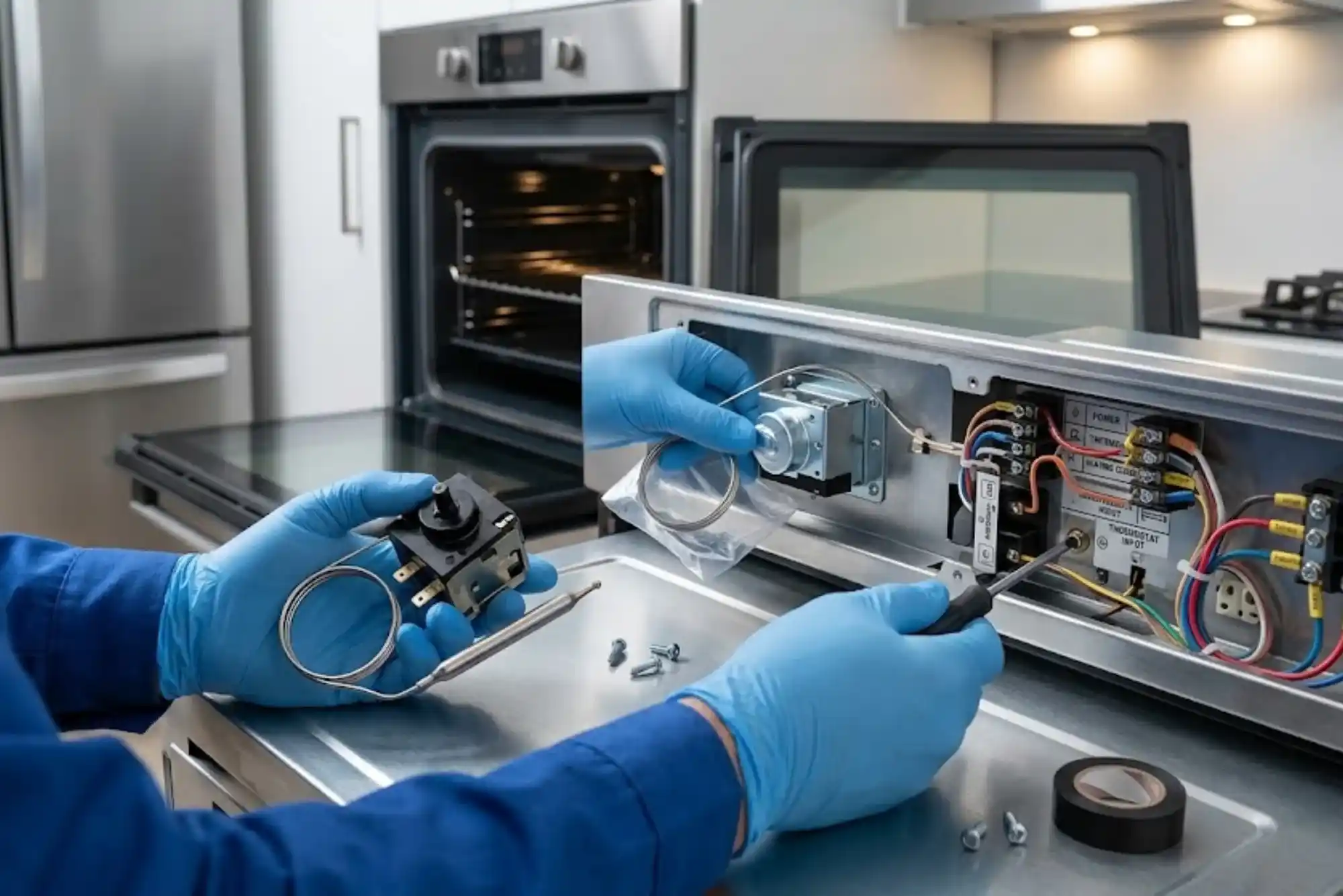
High heat grilling requires more energy, whether in the form of electricity or gas. Prolonged operation in grill mode pushes transformers, regulators, and control circuits to their maximum output. This continuous strain may shorten the effective service life of these mechanical and electrical parts.
In modern smart stoves, microcontrollers and sensors regulate temperature and energy distribution. Extended grill mode usage forces these systems to remain active at elevated intensities, contributing to accelerated aging of electronic boards and control interfaces. Manufacturers often design stoves to handle such loads safely, but the cumulative effect over years of heavy grill use can make the difference between a stove that lasts ten years and one that needs replacement in six or seven.
Manufacturer Design Versus Real-World Use
When manufacturers advertise grill mode, they test durability under controlled conditions. However, real-world scenarios differ. Home cooks may overload the grill, use incompatible cookware, or neglect resting cycles that allow the stove to cool down. In addition, kitchen environments vary—ventilation, humidity, and cleaning habits all influence how the stove responds to grilling stress.
As a result, the lifespan reduction attributed to grill mode is not uniform. For some households, occasional grilling may have negligible effects, while in others, daily use combined with poor maintenance significantly shortens stove longevity. Understanding these differences is critical for consumers making informed choices about appliance care.
User Practices That Extend Stove Lifespan
While grill mode does increase wear, users have substantial control over its long-term impact. Moderating grill frequency, ensuring proper preheating times, and avoiding continuous extended sessions can all minimize heat stress. Cleaning thoroughly after each grilling session is equally important.
Allowing the stove to cool naturally rather than abruptly dousing or covering heated components helps preserve structural integrity. Using cookware designed for high-heat applications reduces spillage and residue buildup. In households where grilling is a staple, investing in stoves built specifically with reinforced grill elements or choosing hybrid indoor grill appliances can offset wear on the main cooking stove.
Environmental and Economic Implications
The premature aging of stoves due to heavy grill mode use also carries broader implications. Appliances that fail earlier contribute to increased electronic and metal waste, adding pressure to recycling systems and the environment. From an economic standpoint, consumers face higher costs for replacements or repairs, particularly if warranties do not cover damage from misuse or excessive grilling.
Thus, the decision to use grill mode frequently should consider not only cooking preferences but also sustainability and household budgets. Responsible use, combined with an awareness of the limits of the technology, promotes both personal savings and environmental stewardship.
The Future of Grill Mode Technology
Manufacturers are aware of the challenges posed by grill mode on stove lifespan, and innovation is underway. Some newer models incorporate self-cleaning mechanisms that incinerate residue, while others use reinforced alloys and ceramics to withstand repeated high-heat exposure. Infrared grill technology is another promising development, as it delivers searing power with less thermal stress on internal components.
Looking ahead, we can expect stove designs that balance performance with durability, possibly integrating predictive maintenance alerts through smart sensors. These features could notify users when grill use is approaching thresholds that might compromise appliance health, allowing proactive servicing and adjustments.
A Balanced Approach to Grill Mode Use
Grill mode undeniably enriches the cooking experience, allowing users to prepare meals with flavors that might otherwise require outdoor equipment. Yet, its convenience must be weighed against the realities of stove durability. Prolonged exposure to high heat, accumulation of residues, and increased energy demands collectively influence the lifespan of stoves, often shortening it when compared to standard usage.
The key lies in balance. Occasional use of grill mode, paired with diligent cleaning and mindful operating habits, ensures that the stove remains reliable for years to come. For households that rely heavily on grilling, complementary appliances or advanced stove models built for sustained grill use may be the smarter investment.
Ultimately, the impact of grill mode on stove lifespan reflects the broader relationship between technology and user responsibility. Appliances are designed to serve, but their endurance depends equally on how we treat them. By respecting the engineering limits of stoves and adopting responsible cooking practices, we can enjoy the benefits of grill mode without sacrificing the longevity of one of the most essential tools in the kitchen.