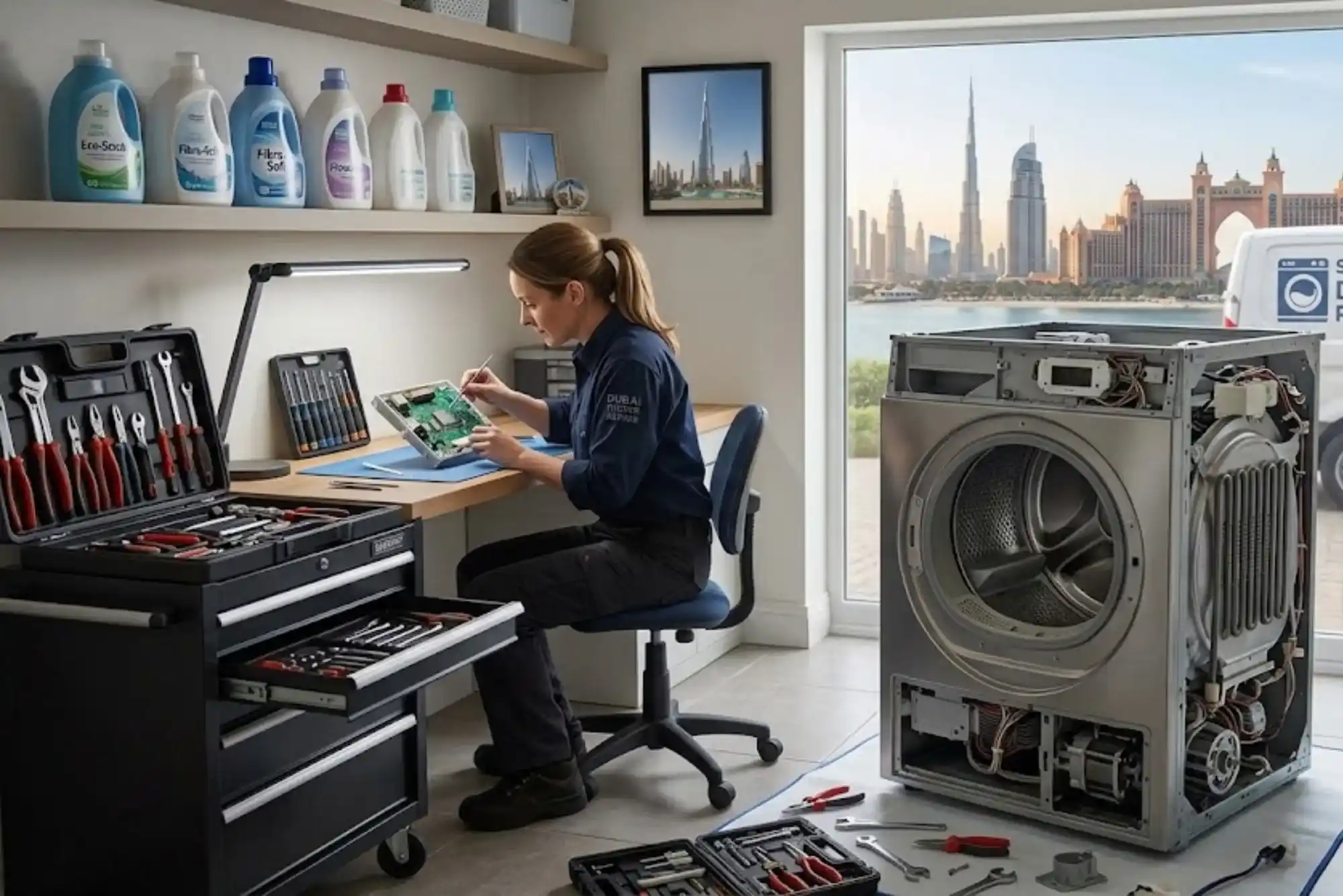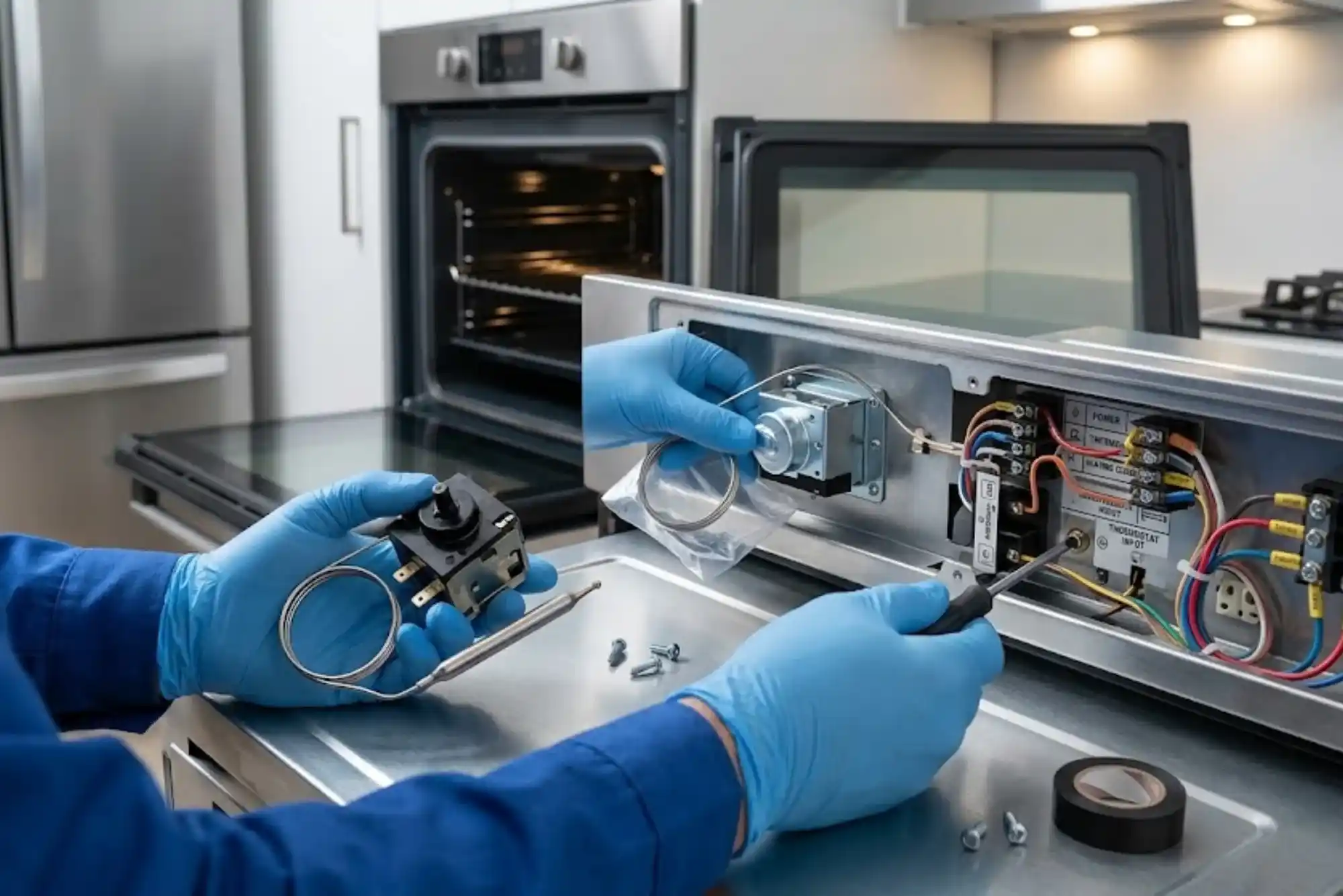
In the world of modern cleaning technology, detergents have evolved far beyond simple soaps. Today’s detergents are scientifically formulated to work in harmony with the machines we rely on daily—washing machines, dishwashers, and even industrial cleaning systems. Using the correct detergent is not merely about achieving better cleaning results; it is also about ensuring the longevity, safety, and efficiency of your appliances. Many people underestimate this simple choice, but in reality, it plays a critical role in both performance and preservation.
Understanding the Role of Detergent in Technology
Detergents are designed to interact with specific systems, water types, and mechanical processes. Each formula is developed to remove certain kinds of dirt, grease, or residues. For instance, a detergent meant for dishwashers is created to work under high water pressure and temperature, while laundry detergents are optimized for fabric care and stain removal. When the wrong type is used, the balance between chemistry and technology breaks down.
Modern appliances rely heavily on sensors and precise chemical reactions to operate correctly. The detergent not only assists in cleaning but also ensures that the system runs smoothly. High-efficiency washing machines, for example, require low-sudsing detergents to avoid foam buildup that can interfere with sensors and drainage. Similarly, dishwashers depend on detergents that prevent residue from forming on sensors or heating elements. Using the correct detergent ensures that technology performs as intended and continues to deliver consistent results.
The Hidden Impact of Using the Wrong Detergent
Many appliance problems start with something as simple as detergent misuse. Excess foam, residue buildup, or poor rinsing are common outcomes of using the wrong product. Over time, these issues can lead to mechanical wear, blocked filters, or damaged components. A washing machine exposed to regular use of inappropriate detergent may struggle with drainage, while a dishwasher might leave streaks or fail to heat properly due to soap residue.
Even more concerning is the long-term chemical impact. Detergents contain ingredients that are tailored for specific materials. A formula intended for stainless steel cleaning may corrode plastic parts, while one meant for soft fabrics may not have the strength to remove oil or grease effectively. In short, incorrect detergent use not only compromises cleaning quality but also shortens the lifespan of your appliances.
Efficiency and Energy Considerations
Using the correct detergent is also essential for energy efficiency. Appliances are engineered to work with specific cleaning agents that optimize water temperature, cycle duration, and mechanical action. When an incompatible detergent is used, the machine often compensates by extending wash cycles or increasing water use, resulting in higher electricity and water bills.

For example, low-efficiency detergents create more suds, forcing washing machines to perform extra rinses to eliminate them. Similarly, dishwashers working with unsuitable detergents may need longer cycles to achieve clean results. Over time, this increased energy demand can have a noticeable effect on both your bills and the environment.
By using the correct detergent, you are not just ensuring a cleaner result—you are helping your appliance operate at its designed efficiency level, saving both resources and money in the long term.
Protecting Appliance Technology and Longevity
Appliance technology has become increasingly advanced. From smart washing machines that adjust detergent dosage automatically to dishwashers that monitor soil levels, every feature is calibrated to interact with certain chemical properties. Incorrect detergents interfere with this communication, confusing sensors or clogging internal systems.
For example, high-efficiency washing machines rely on low-foam detergents because excessive suds can disrupt the drum’s balance and cause water leakage. The same principle applies to modern dishwashers equipped with fine filters and heating elements that can easily become coated with residue if the detergent is too harsh or contains unsuitable additives.
When the right detergent is used, however, these systems remain protected. The mechanical parts last longer, and electronic components continue functioning as intended. It’s a simple yet powerful step in maintaining your investment.
The Environmental Dimension
The type of detergent you choose also has environmental consequences. Many people assume that all cleaning products are similar, but environmentally friendly detergents are formulated to reduce water pollution and waste. Using the correct eco-compatible detergent ensures that cleaning is not only effective but also sustainable.
Incorrect detergents, on the other hand, often contain phosphates or chemicals that can harm aquatic life once they enter the water system. Over-sudsing from improper use can also lead to water waste. By selecting the right detergent, you contribute to protecting both your appliances and the environment they depend on.
The Role of Manufacturer Recommendations
Every appliance manufacturer provides clear guidelines about which type of detergent works best with their models. These recommendations are not arbitrary—they are based on extensive testing to ensure performance and safety. Ignoring these instructions often leads to decreased efficiency or even voided warranties.
In particular, modern appliances like smart washers, dryers, and dishwashers are designed with precise chemical compatibility in mind. Following the manufacturer’s advice guarantees that your appliance continues to work at its optimal capacity. For those who rely on professional cleaning or maintenance services, understanding and using the correct detergent can also make the technician’s job easier and improve repair outcomes.
The Connection Between Detergent and Health
Another crucial aspect of detergent selection is health and safety. Detergents that are too harsh can leave chemical residues on clothes, dishes, or surfaces, which may cause allergic reactions or irritation. Using the correct product minimizes these risks because it is formulated to rinse off completely within the appliance’s programmed cycle.
For dishwashers, this means dishes come out spotless and safe to use. For washing machines, clothes retain their softness and freshness without harmful residues. A balanced detergent choice ensures not just clean results but also a safer home environment.
The Future of Smart Detergent Technology
With the advancement of smart home technology, detergent formulation has become an integral part of appliance design. Many brands now collaborate with detergent manufacturers to create compatible cleaning systems. Some high-end machines even use sensors to measure the amount of detergent required for each cycle, ensuring efficiency and protection simultaneously.
This integration is transforming how people think about cleaning. It shows that detergent is no longer a separate element but an essential component of the appliance’s performance. As technology evolves, the importance of using the correct detergent will only grow stronger, reinforcing the connection between chemistry and smart engineering.
A Simple Choice with Lasting Benefits
Using the correct detergent may seem like a small decision, but it influences nearly every aspect of modern appliance performance—from cleaning results to energy efficiency, durability, and safety. It ensures that your machines work as designed, maintain their reliability, and deliver the results you expect every time.
By following manufacturer guidelines, prioritizing quality, and understanding the science behind detergent formulation, you not only protect your appliances but also enhance your overall home experience. In a world increasingly defined by technology and precision, even a simple choice like detergent selection can make a significant difference.