Choosing the right oven for your kitchen is a decision that can significantly influence your cooking experience. Among the most talked-about appliances in modern homes is the dual-fuel oven. Combining the strengths of both gas and electric systems, dual-fuel ovens have become increasingly popular among homeowners and professional chefs alike. However, like any kitchen appliance, they come with advantages and potential drawbacks that should be carefully considered before making a purchase.
Understanding Dual-Fuel Ovens
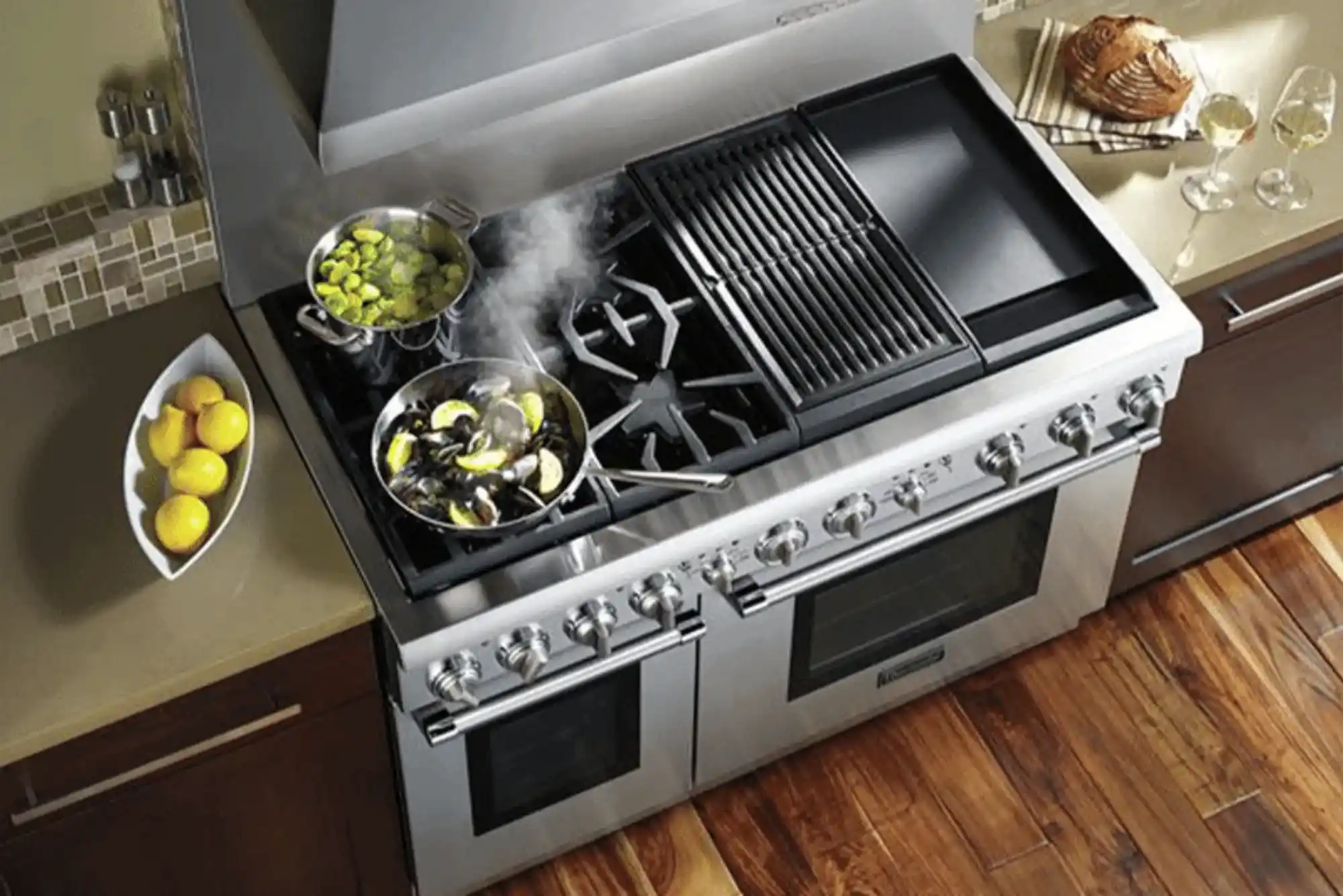
A dual-fuel oven is an innovative kitchen appliance that uses gas for the cooktop and electricity for the oven. This combination is designed to offer the best of both worlds: the instantaneous heat control of gas burners for stovetop cooking and the even, consistent temperature of electric ovens for baking and roasting. By blending these two power sources, dual-fuel ovens cater to a wide range of cooking styles and preferences, making them an appealing choice for serious home cooks.
Advantages of Dual-Fuel Ovens
One of the primary reasons home chefs are drawn to dual-fuel ovens is their versatility. The gas burners provide precise, responsive heat, allowing cooks to make quick adjustments while sautéing, boiling, or simmering. Unlike electric cooktops, gas heat reacts instantly to changes in flame intensity, which is essential for dishes that require careful temperature control.
Meanwhile, the electric oven component delivers even heat distribution, which is crucial for baking. Cakes, bread, and pastries require a consistent temperature to rise and cook evenly, and electric ovens excel at providing this environment. This combination ensures that whether you are preparing a delicate dessert or a hearty roast, your food will be cooked to perfection.
Energy efficiency is another notable benefit of dual-fuel ovens. While gas is generally cheaper for stovetop cooking, electricity is more efficient for baking due to its stable heat output. Using the appropriate fuel source for each cooking task can reduce overall energy consumption compared to using a single-fuel appliance for all purposes.
The durability and build quality of dual-fuel ovens often surpass standard single-fuel models. Many of these appliances are designed for professional-level performance, featuring heavy-duty construction, multiple oven modes, and advanced features such as convection cooking. These characteristics not only enhance cooking results but also extend the appliance’s lifespan, making it a worthwhile investment for those who spend a lot of time in the kitchen.

Aesthetic appeal is another factor contributing to the popularity of dual-fuel ovens. Many models are crafted with sleek designs, stainless steel finishes, and intuitive controls, allowing them to seamlessly integrate into modern kitchen decor. The combination of functionality and style ensures that dual-fuel ovens are not just practical tools but also centerpieces that enhance the overall kitchen experience.
Disadvantages of Dual-Fuel Ovens
Despite their numerous advantages, dual-fuel ovens are not without their challenges. The most significant drawback for many homeowners is cost. Dual-fuel models tend to be more expensive than single-fuel ovens, both in terms of initial purchase price and installation. This can be a limiting factor for those on a budget or those seeking a simple, no-frills kitchen appliance.
Installation complexity is another consideration. Since dual-fuel ovens require both a gas connection and a dedicated electrical supply, professional installation is often necessary. This can add to the overall expense and may require modifications to existing kitchen infrastructure. Homeowners without existing gas lines or sufficient electrical capacity may face additional costs and complications during installation.
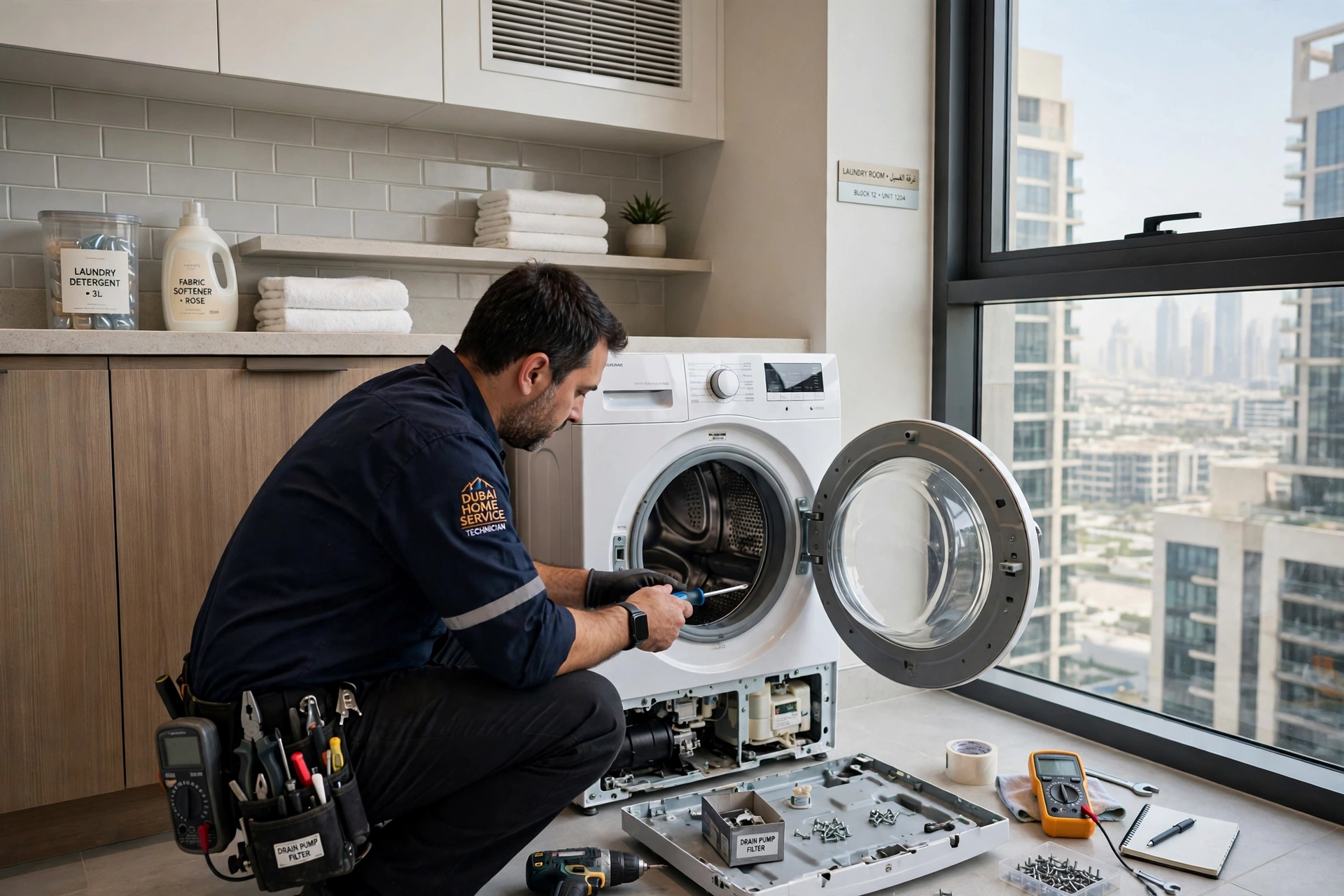
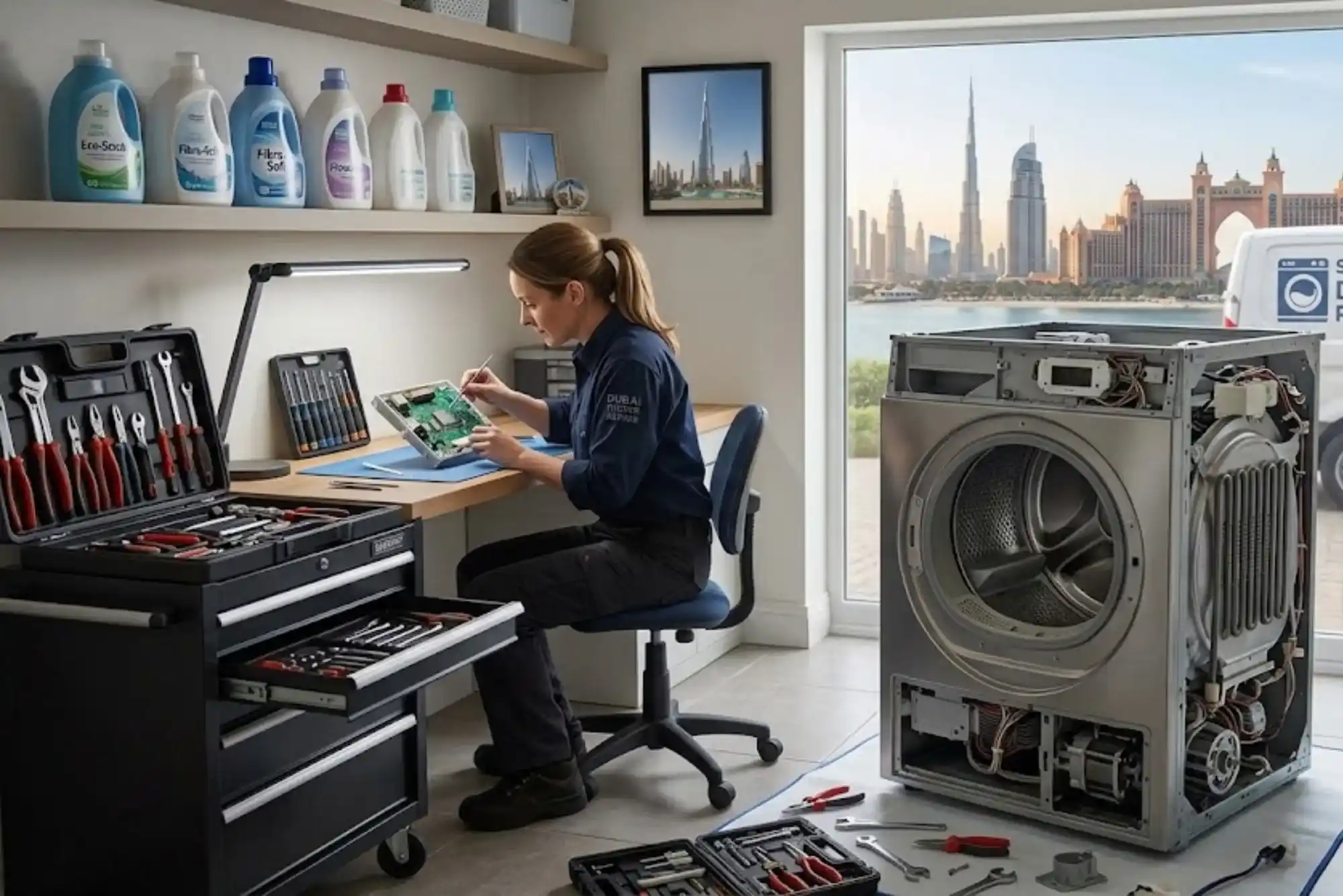
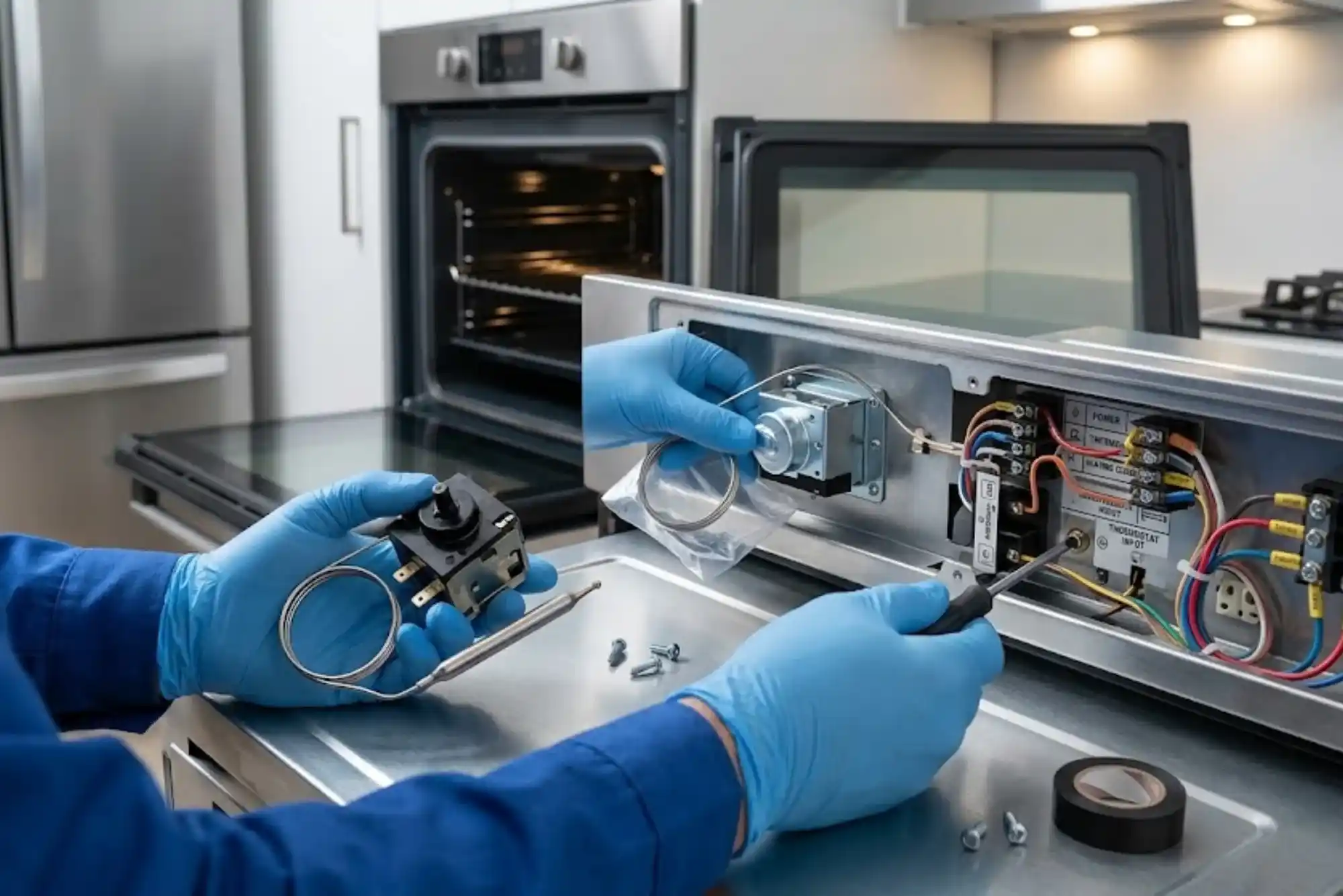
Maintenance and repair can also be more challenging for dual-fuel ovens. With two different energy systems working in tandem, there is a higher potential for mechanical or electrical issues compared to single-fuel models. Finding a technician with expertise in dual-fuel systems may be more difficult, and replacement parts can be more costly. Homeowners should be prepared for the possibility of increased service requirements over the lifetime of the appliance.
Space considerations are also important. Dual-fuel ovens often come in larger sizes to accommodate both the gas burners and electric oven components. This can be a concern in smaller kitchens where counter and cabinet space is limited. Proper planning is essential to ensure that the appliance fits comfortably and functions efficiently within the kitchen layout.
Balancing Pros and Cons
When deciding whether a dual-fuel oven is the right choice, homeowners must weigh the benefits against the drawbacks. For those who prioritize precise cooking, professional-grade performance, and a versatile appliance capable of handling multiple cooking techniques, the advantages often outweigh the disadvantages. On the other hand, those with budget constraints, limited kitchen space, or a preference for simple appliances may find a single-fuel oven to be more practical.
It is also essential to consider long-term factors such as energy efficiency and appliance longevity. While the upfront cost of a dual-fuel oven can be significant, the potential savings in energy use and the durability of a high-quality appliance can justify the investment over time. Additionally, the satisfaction of having a kitchen tool that meets a wide range of culinary needs can enhance the overall cooking experience, making meal preparation more enjoyable and efficient.
Choosing the Right Dual-Fuel Oven
Selecting the right dual-fuel oven involves careful consideration of individual needs, kitchen layout, and cooking habits. Homeowners should evaluate the number of burners, oven capacity, available features, and the reliability of the brand. Features such as convection cooking, self-cleaning functions, and programmable settings can enhance usability and convenience, particularly for busy households.
It is also advisable to consult professional installers and technicians to ensure that the kitchen infrastructure can support both gas and electric requirements. Proper installation not only guarantees optimal performance but also ensures safety and compliance with local regulations.
Finally, considering the style and design of the oven in relation to the kitchen’s aesthetics can enhance both functionality and visual appeal. A well-chosen dual-fuel oven can serve as a centerpiece of the kitchen, reflecting the homeowner’s taste and commitment to quality cooking.
Dual-fuel ovens represent a harmonious blend of gas and electric cooking technologies, offering a unique combination of precision, versatility, and efficiency. While the initial cost, installation requirements, and potential maintenance challenges may deter some homeowners, the benefits of enhanced cooking performance, energy efficiency, and professional-grade results often make them a worthwhile investment.
Ultimately, the choice to invest in a dual-fuel oven depends on individual cooking preferences, kitchen layout, and long-term goals. By carefully considering the advantages and drawbacks, homeowners can make an informed decision that aligns with their culinary needs and lifestyle. For those who value both style and functionality in the kitchen, a dual-fuel oven is more than just an appliance—it is a powerful tool that elevates the art of cooking, making every meal a culinary achievement.