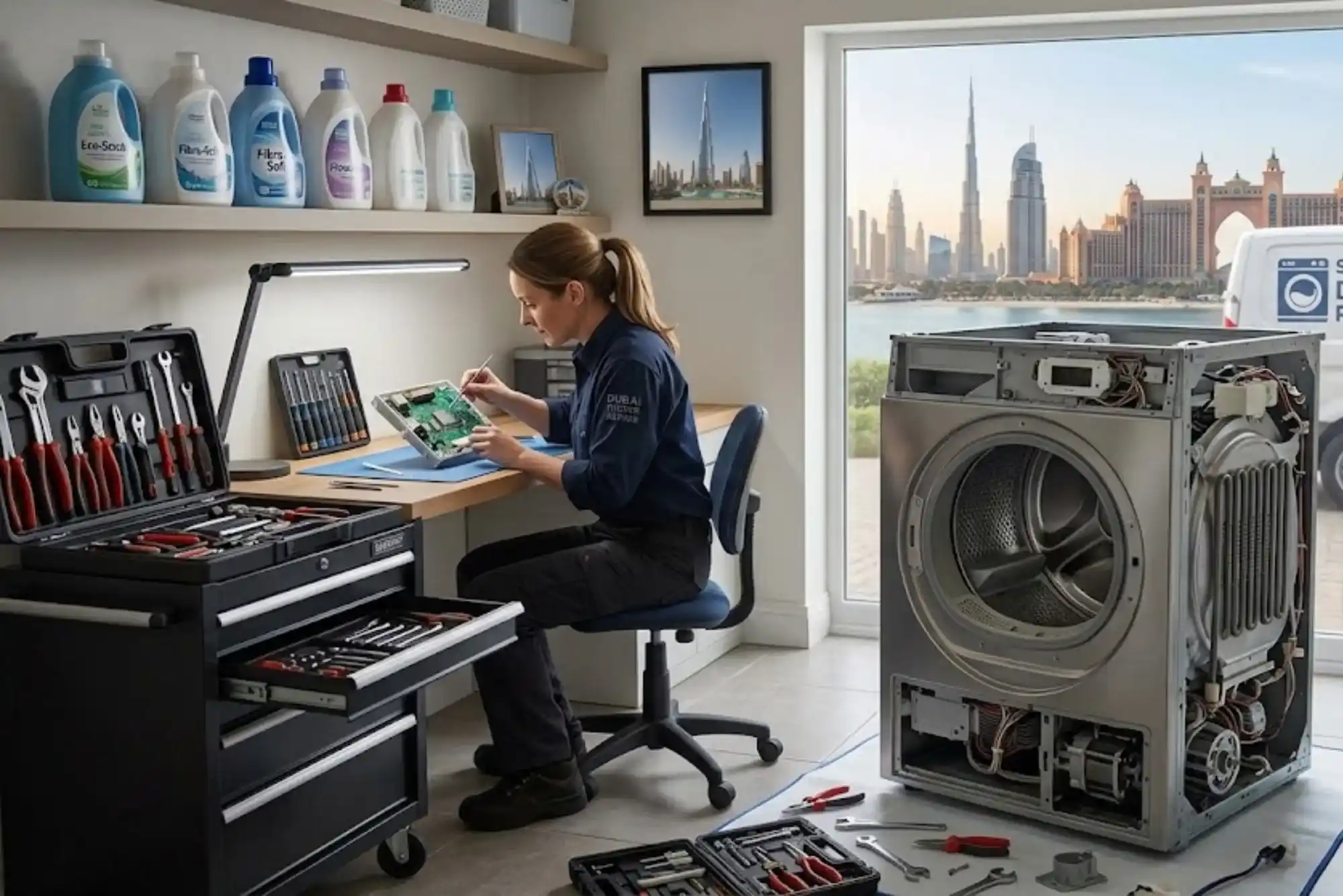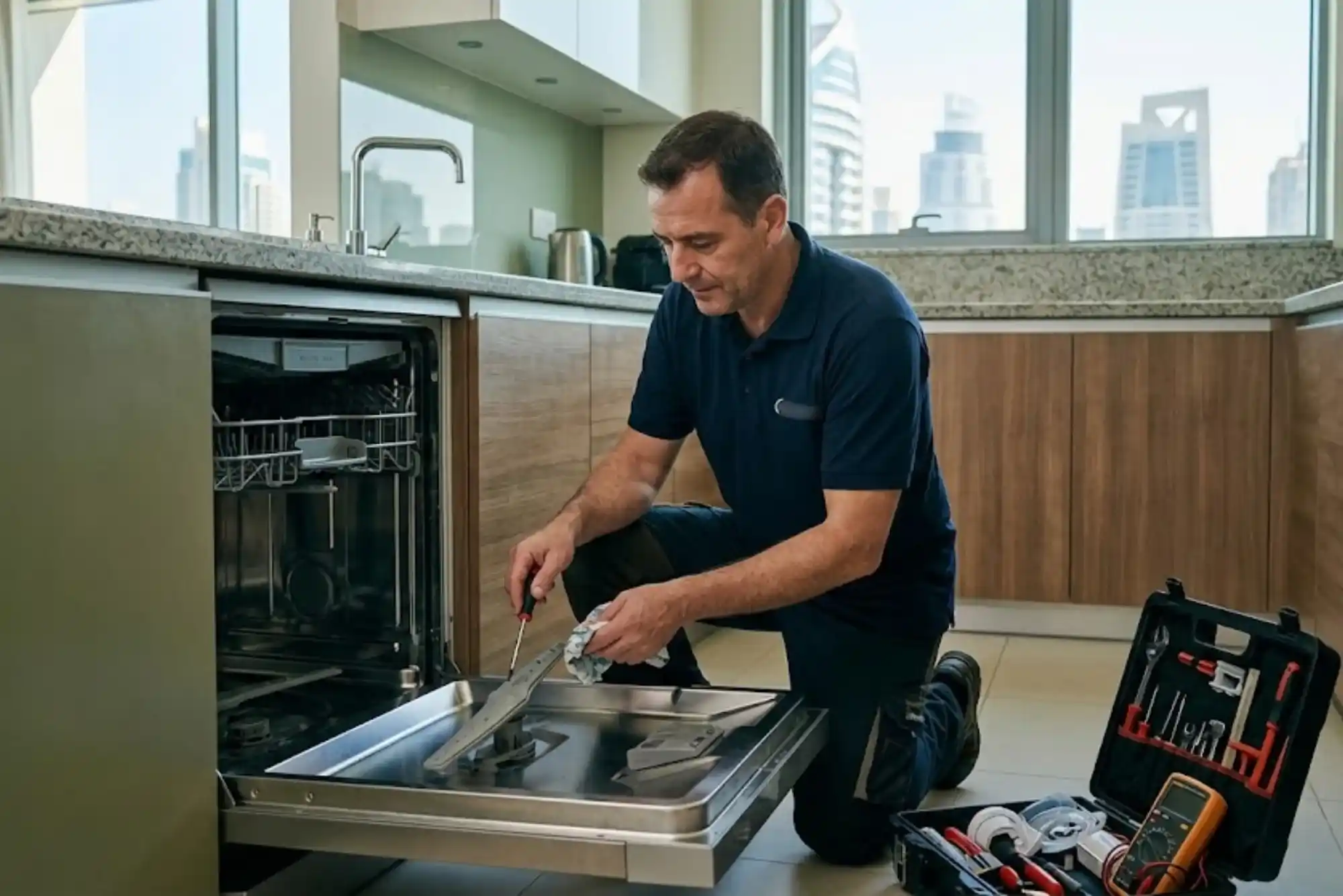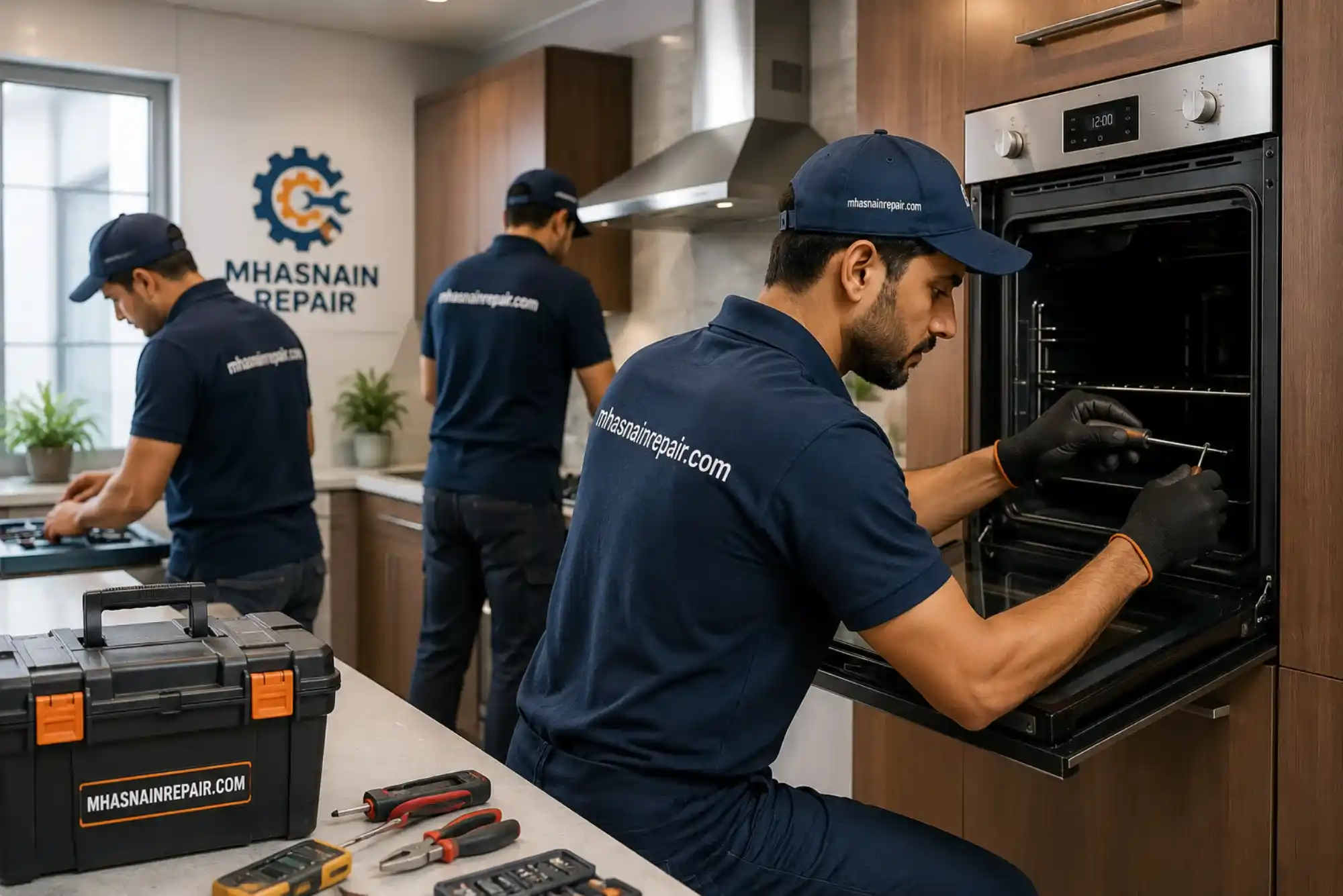
In today’s fast-paced households, the kitchen remains one of the most essential spaces in any home. Yet, among all the appliances that define a modern kitchen, the oven stands out as both a daily necessity and a silent workhorse. When it stops functioning correctly, it disrupts more than just meal preparation—it affects routines, gatherings, and even lifestyle comfort. This is where oven repair professionals become indispensable, offering not just technical fixes but restoring stability to everyday living.
Across urban homes and busy households, reliance on expert technicians has grown significantly. The complexity of modern ovens—ranging from electric convection models to smart digital systems—demands specialized knowledge. Today’s repair experts are no longer just fixers; they are diagnostic specialists who understand electronics, heat systems, and safety mechanisms at a deeper level.
Why Oven Repair Professionals Matter More Than Ever
Ovens have evolved dramatically over the last decade. What once was a simple heating box is now a precision-controlled cooking system with sensors, timers, and integrated safety features. This evolution has made DIY repairs increasingly risky and often ineffective.
Professional technicians bring structured diagnostics, ensuring that the root cause—not just the symptom—is addressed. Whether it’s uneven heating, faulty igniters, or temperature inconsistencies, trained experts approach the problem systematically.
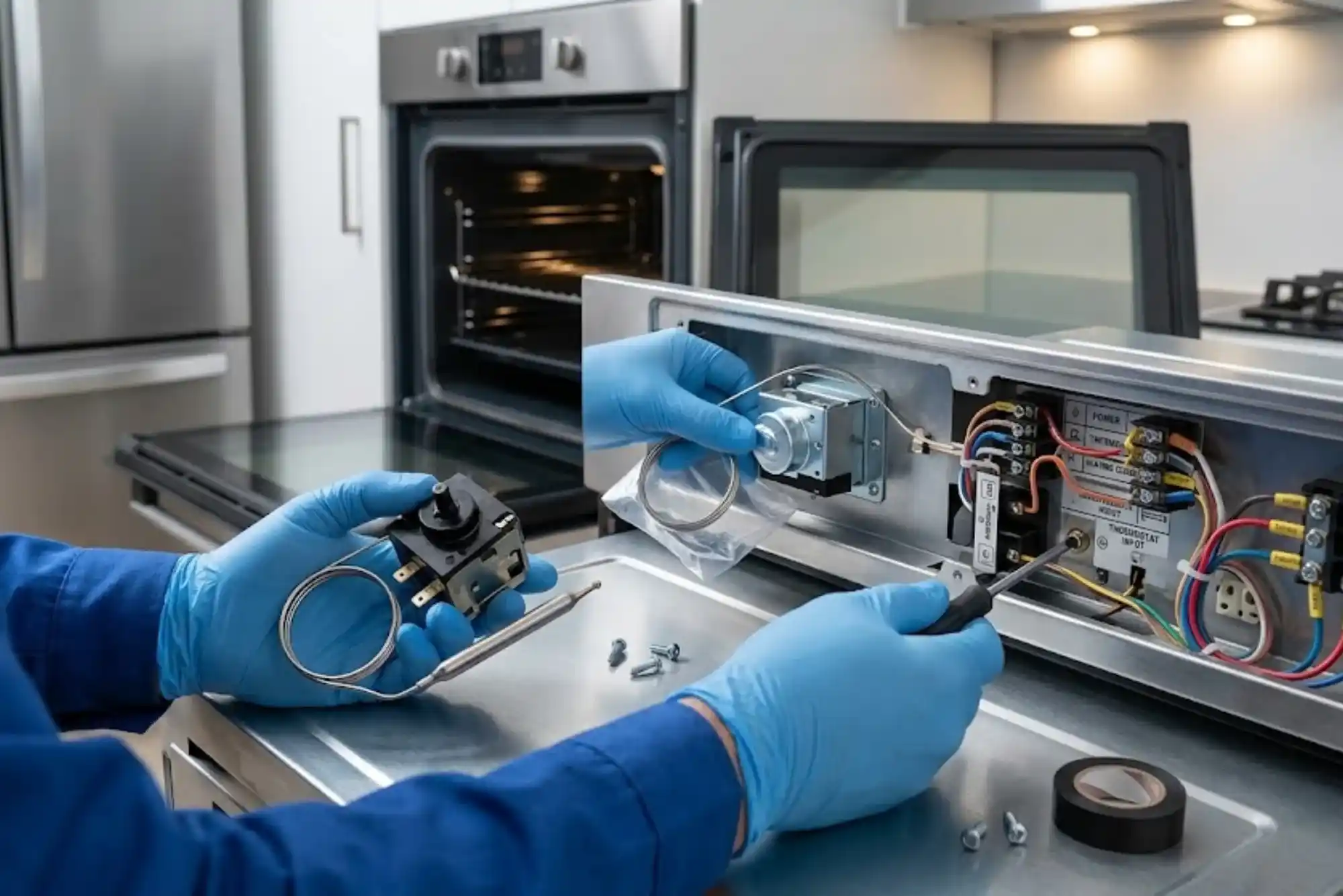
For instance, issues like oven not heating repair require more than a surface-level fix. Professionals examine heating elements, thermostats, and internal wiring to ensure long-term reliability rather than temporary solutions.
Common Oven Problems Homeowners Face
While ovens are built for durability, wear and tear is inevitable. Understanding common issues can help homeowners identify when professional intervention is needed.

Some of the most frequent problems include:
- Uneven cooking or inconsistent heat distribution
- Oven not reaching desired temperature
- Faulty ignition in gas ovens
- Broken interior lights or display malfunctions
- Strange noises during operation
Many of these issues may seem minor at first, but they often indicate deeper mechanical or electrical faults. For example, a malfunctioning sensor could affect the entire heating cycle, leading to wasted energy and poor cooking results.
In such cases, expert intervention through services like professional oven repair service ensures safety and restores efficiency.
The Technical Side of Modern Oven Repairs
Unlike older appliances, modern ovens rely heavily on electronic control boards and precision calibration systems. This makes troubleshooting significantly more complex. Oven repair professionals use advanced diagnostic tools to identify faults within circuits, heating elements, and temperature sensors.
For example, when an oven fails to maintain consistent heat, the issue might not be the heating coil itself but a misreading thermostat or a faulty relay on the control board. Without proper tools and expertise, identifying such issues can be nearly impossible for an untrained individual.
This technical depth is why certified professionals are essential. Their understanding of appliance engineering ensures that repairs are not only accurate but also compliant with safety standards.
Safety: The Most Overlooked Factor in Oven Repairs
One of the biggest risks associated with faulty ovens is electrical or gas-related hazards. A small malfunction can lead to overheating, electrical shorts, or even gas leaks in certain models. This is why safety is always the top priority for experienced technicians.
Professional repair services often follow strict protocols aligned with international safety standards such as those outlined by the Occupational Safety and Health Administration (OSHA) and energy efficiency guidelines provided by the U.S. Department of Energy.
These standards ensure that every repair is conducted with proper inspection, testing, and verification before the appliance is returned to use.
How Oven Repair Professionals Diagnose Issues
The diagnostic process is where expertise truly stands out. A trained technician doesn’t rely on guesswork; instead, they follow a structured evaluation process:
- Initial inspection of external and internal components
- Testing electrical connections and power supply
- Evaluating heating elements and thermostats
- Checking control boards for error codes
- Verifying airflow and fan functionality
Each step narrows down the potential cause, ensuring that repairs are precise and long-lasting. This methodical approach is what differentiates professionals from temporary DIY fixes.
Integration with Broader Appliance Repair Systems
Modern households rarely deal with a single appliance issue in isolation. Oven problems often occur alongside other kitchen or home appliance concerns. This is why many service providers, including those featured at expert stove repair solutions, offer integrated repair services across multiple appliances.
Technicians trained across ovens, stoves, and related systems can identify interconnected issues more effectively. For example, a shared electrical fault may affect both an oven and a stove unit simultaneously.
The Role of Preventive Maintenance
Preventive maintenance is often overlooked but plays a crucial role in extending the life of an oven. Regular cleaning, inspection, and calibration can prevent major breakdowns and improve energy efficiency.
Many oven repair professionals recommend periodic servicing every 6 to 12 months depending on usage intensity. This helps in detecting early signs of wear and prevents costly repairs later.
Additionally, keeping oven interiors clean and ensuring proper ventilation reduces strain on heating components and improves cooking performance.
When Should You Call a Professional?
Not every issue requires immediate panic, but certain signs should never be ignored. If your oven shows any of the following symptoms, it is time to call a professional:
- Persistent failure to heat or overheat
- Electrical sparks or burning smell
- Unresponsive control panel
- Broken door seals or hinges affecting heat retention
Delaying repairs can lead to further damage and higher costs. Quick action ensures both safety and efficiency are maintained.
Choosing the Right Oven Repair Service
With numerous service providers available, selecting the right one can feel overwhelming. Homeowners should prioritize experience, certification, and transparency in pricing. A reliable technician not only fixes the issue but also explains the cause and prevention strategies.
Companies that offer comprehensive appliance solutions, such as those found on Mhasnain Repair Services, often provide a more holistic approach to home maintenance.
The Future of Oven Repair Services
As smart home technology continues to evolve, oven repair professionals are also adapting. Future ovens are expected to include AI-based diagnostics, remote troubleshooting, and predictive maintenance alerts. This will transform repair services from reactive fixes to proactive maintenance systems.
Technicians will increasingly rely on digital tools and software-driven diagnostics, making expertise in electronics even more critical than before.
Conclusion
The role of oven repair professionals extends far beyond simple appliance fixing. They ensure safety, efficiency, and reliability in one of the most essential parts of the home—the kitchen. As ovens become more advanced, the need for skilled technicians will continue to grow, making professional repair services an integral part of modern household maintenance.
Investing in expert repair not only saves money in the long run but also ensures peace of mind, knowing that your kitchen remains safe and fully functional.
FAQs
1. What do oven repair professionals usually fix?
They handle issues like heating failures, faulty thermostats, broken igniters, control panel errors, and wiring problems.
2. How often should an oven be serviced?
It is recommended to service your oven once every 6–12 months depending on usage frequency.
3. Can I repair my oven myself?
Minor cleaning can be done at home, but electrical or gas-related issues should always be handled by professionals.
4. Why is my oven not heating properly?
This could be due to a faulty heating element, thermostat issue, or electrical malfunction requiring expert diagnosis.
5. Are professional oven repairs expensive?
Costs vary depending on the issue, but professional repairs are often more cost-effective than replacing the entire appliance.
Related Reading: Home Kitchen Oven Repair
Related Reading: Why Regular Carpet Cleaning Should Be Part of Every Dubai Home Maintenance Routine?
Related Reading: Gas Oven Repair Service for Modern Homes
Related Reading: AC Air Handler Maintenance
Related Reading: Oven Care and Maintenance