In modern kitchens, ovens have become indispensable appliances that combine technology with convenience to deliver consistent results in cooking and baking. Behind their seamless operation lies a complex network of safety mechanisms designed not only to ensure food is prepared at the right temperature but also to protect users and the appliance itself from risks associated with overheating. Among these mechanisms, safety thermostats stand out as one of the most crucial components.
A safety thermostat is more than a technical addition; it is a guardian of reliability, performance, and above all, safety. Understanding its role requires exploring how it functions, why it is essential, and what innovations continue to refine its operation in contemporary oven designs.
Understanding the Function of a Safety Thermostat
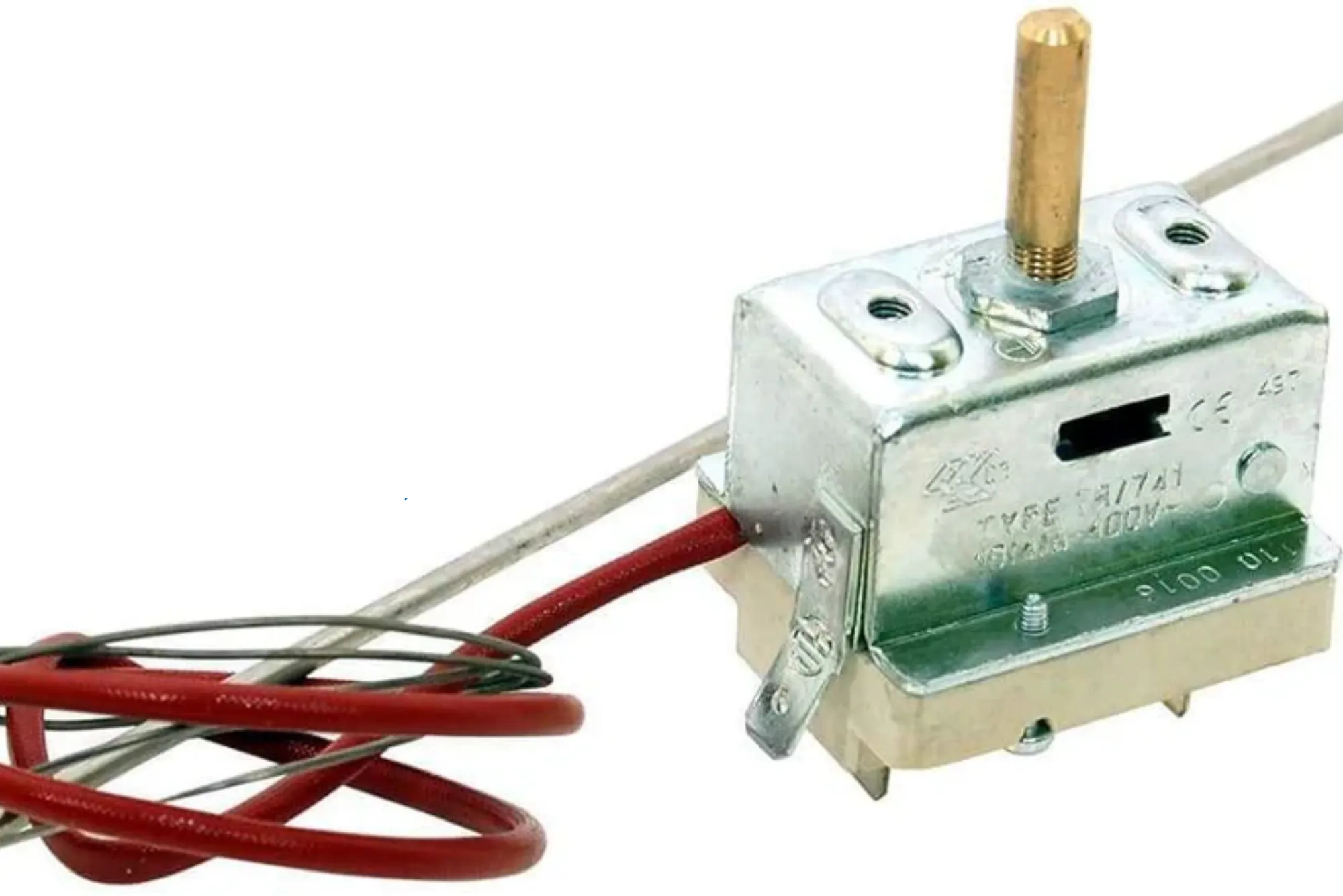
At its core, a thermostat is a control device that monitors and regulates temperature. In ovens, the safety thermostat is tasked with preventing the internal chamber from exceeding dangerous levels of heat. Unlike standard cooking thermostats, which are responsible for maintaining the desired cooking temperature, safety thermostats act as protective failsafes.
They operate on a straightforward principle: if the temperature within the oven surpasses the maximum safe threshold, the safety thermostat interrupts the electrical circuit. This action cuts off power to the heating elements, immediately halting further temperature rise. Once triggered, the thermostat may need to be reset manually or replaced, depending on its design, before the oven can function again.
This role ensures that both food preparation and appliance operation remain within safe boundaries, even if a malfunction occurs in the primary temperature control system.
The Safety Imperative in Oven Design
Heating appliances inherently carry risks, particularly when subjected to prolonged high temperatures. Without safeguards, the potential for damage or accidents is significant. Safety thermostats serve as critical components that address these risks.

Overheating within an oven can lead to severe consequences, including electrical component failure, fire hazards, or damage to surrounding cabinetry. Beyond property risks, user safety is also at stake. Excessive temperatures can make oven surfaces dangerously hot, increasing the risk of burns and other injuries.
By incorporating safety thermostats, manufacturers align with stringent industry standards and consumer protection requirements. These devices are not optional luxuries but mandated features that ensure every oven sold meets regulatory safety benchmarks.
How Safety Thermostats Enhance Appliance Longevity
In addition to protecting users, safety thermostats contribute to the durability of ovens. Excessive heat can accelerate wear on internal components such as wiring, insulation, sensors, and even the heating elements themselves. Prolonged exposure to unsafe temperatures often results in premature failure,costly repairs, or the need for complete replacement of the appliance.
A functioning safety thermostat mitigates these risks by reducing the strain on internal systems. By halting dangerous heat build-up, it preserves the structural and functional integrity of the oven, ultimately extending its operational life. For both manufacturers and consumers, this protection translates into economic benefits, as the cost of premature appliance failure is significantly reduced.
Differentiating Between Cooking Thermostats and Safety Thermostats
It is easy to confuse the role of cooking thermostats with that of safety thermostats, but their functions, though related, are distinct.
Cooking thermostats regulate the internal temperature of the oven according to the user’s settings. They cycle the heating elements on and off to maintain steady conditions for baking, roasting, or broiling. In contrast, safety thermostats remain dormant during normal operation. Their role activates only when abnormal conditions arise, such as a runaway heating element or control malfunction.
This distinction emphasizes the layered approach to safety in oven design. While cooking thermostats ensure culinary precision, safety thermostats provide a final line of defense against unforeseen mechanical or electronic failures.
The Role of Safety Thermostats in Energy Efficiency
While safety thermostats primarily serve protective functions, they also indirectly contribute to energy efficiency. When unchecked overheating occurs, not only does it waste electricity, but it also reduces the overall efficiency of the appliance. By cutting off heating in unsafe conditions, safety thermostats prevent unnecessary energy consumption.
Furthermore, by prolonging the life of ovens and reducing breakdowns, they contribute to sustainability. Appliances that last longer result in fewer replacements, less manufacturing demand, and reduced environmental impact. Thus, the role of safety thermostats extends beyond immediate protection into the broader realm of energy responsibility and environmental stewardship.
User Awareness and the Importance of Maintenance
Though safety thermostats operate automatically, user awareness remains vital. Many oven malfunctions stem from neglect, such as failing to clean vents, ignoring blocked airflow, or overloading the appliance. In these scenarios, safety thermostats may be triggered more often, indicating underlying problems.
Users should recognize that frequent tripping of a safety thermostat is not a minor inconvenience but a warning sign of potential mechanical issues. Professional inspection is necessary to determine whether the cause lies in faulty wiring, defective heating elements, or insufficient ventilation. Addressing these issues promptly prevents more serious hazards and ensures continued reliable operation.
Routine maintenance, such as cleaning, checking for proper ventilation, and servicing electrical components, complements the work of safety thermostats. While the thermostat serves as a protective shield, proactive care by the user minimizes the likelihood of dangerous overheating in the first place.
Technological Advances in Safety Thermostat Design
Oven technology has evolved significantly, and so too have safety thermostats. Traditional mechanical thermostats rely on temperature-sensitive metals that expand and contract, mechanically opening or closing circuits. While effective, they can suffer from wear over time.
Modern ovens increasingly integrate electronic safety thermostats that use digital sensors and microprocessors. These systems offer greater accuracy, faster response times, and the ability to communicate diagnostic information to the user or technician. In some cases, smart ovens equipped with connectivity can alert users via mobile applications when a safety thermostat has been triggered, streamlining troubleshooting and repair.
Moreover, advances in materials and design have improved the resilience of thermostats against repeated high-temperature exposure. These innovations ensure that safety thermostats remain reliable over the entire lifespan of the appliance, even under heavy usage.
The Broader Implications of Safety Thermostats
The importance of safety thermostats in ovens cannot be viewed in isolation. Their presence reflects a broader philosophy of engineering that prioritizes user protection and sustainable appliance design. As consumers demand more sophisticated ovens with features such as rapid preheating, convection cooking, and self-cleaning cycles, the risks of overheating increase correspondingly. Safety thermostats ensure that technological progress does not come at the expense of safety.
In the regulatory context, safety thermostats also represent compliance with international standards governing electrical appliances. Certification bodies mandate these components to guarantee that products entering the market meet acceptable levels of consumer safety. Manufacturers who invest in advanced safety thermostat designs not only comply with these requirements but also build trust with consumers who prioritize reliability.
Looking Toward the Future of Oven Safety
The future of oven technology will likely see further integration of intelligent safety mechanisms, with safety thermostats playing a central role. The shift toward smart appliances connected to home networks introduces opportunities for real-time monitoring and predictive maintenance. For example, sensors may detect gradual overheating trends and notify users before the safety thermostat is forced to intervene.
In addition, the combination of artificial intelligence and machine learning could allow ovens to adapt more dynamically to usage patterns, further reducing the likelihood of dangerous overheating. In such scenarios, safety thermostats will continue to serve as the indispensable last line of defense, reinforcing both technological innovation and user safety.
Safety thermostats in ovens embody a fundamental principle of modern appliance design: the balance between performance, convenience, and protection. While invisible to most users, these components stand guard against risks that could compromise safety, damage appliances, or waste energy. By preventing overheating, extending appliance life, and ensuring compliance with safety standards, they form a cornerstone of reliable oven operation.
As kitchen technology continues to advance, the role of safety thermostats remains indispensable. They not only preserve the integrity of ovens but also reassure users that the appliances they rely upon daily are engineered with their safety as the foremost priority. In a world where convenience and technology increasingly intersect, the simple yet powerful function of the safety thermostat remains a testament to the enduring value of safety-first engineering.