The evolution of cooking appliances has dramatically changed the way we interact with the kitchen. From basic firewood stoves to gas ranges and now to advanced electronic appliances, the central objective has always remained consistent: delivering reliable, safe, and efficient cooking experiences. At the heart of this transformation is the stove control board—a sophisticated electronic component that ensures precision, functionality, and innovation in modern stoves.
A Shift from Mechanical to Electronic Intelligence
For decades, stove operation was driven by mechanical knobs, switches, and manual ignition systems. These designs worked, but they offered limited flexibility and precision. As consumer demands evolved toward convenience and safety, manufacturers turned to electronic solutions. Control boards emerged as the brain of modern stoves, handling multiple functions simultaneously and bridging the gap between user input and appliance performance.
Today, instead of relying purely on manual dials, most modern stoves use microprocessor-driven control boards. These boards interpret signals, adjust heating elements, and monitor performance in real time. This shift represents not only a technological improvement but also a step toward safer and more energy-conscious kitchens.
Core Functionality and System Integration
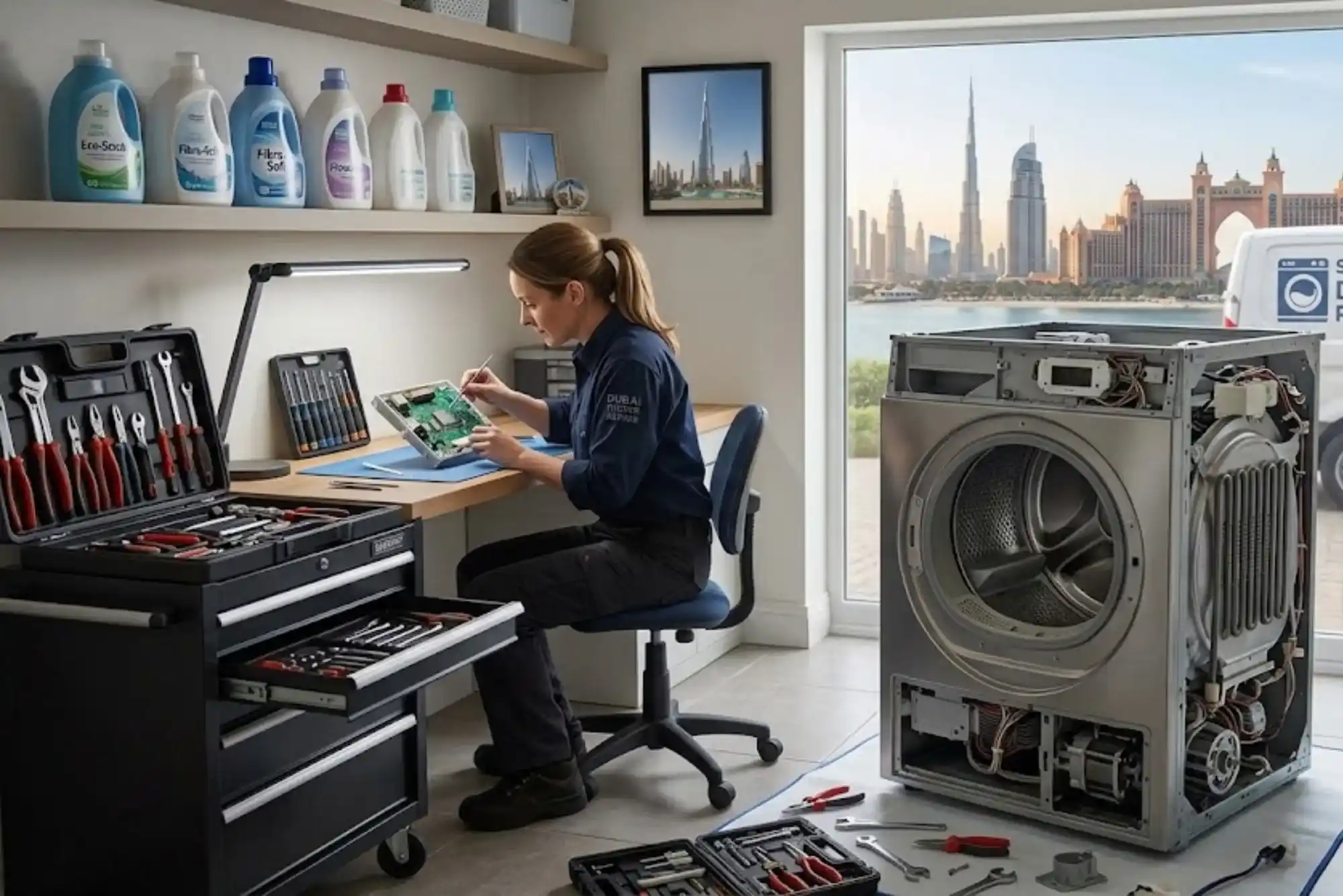
A stove control board is essentially a printed circuit board (PCB) populated with microcontrollers, sensors, and circuitry that govern how the appliance behaves. When a user presses a button, adjusts a touchpad, or sets a timer, the control board interprets those inputs and translates them into specific actions.
The control board manages heating cycles, regulates temperature, and coordinates elements like induction zones, oven lights, convection fans, and digital displays. Beyond simple activation, it integrates safety features such as thermal cutoffs, automatic shut-off timers, and fault detection systems. By linking multiple subsystems together, the control board ensures smooth coordination between heating components and the stove’s user interface.
Enhancing Safety Through Smart Electronics
Safety is one of the most critical aspects of stove design. Traditional mechanical stoves offered little more than flame supervision or simple cut-off mechanisms. Modern control boards, however, significantly expand these protections.

Advanced control boards monitor real-time temperature levels, ensuring that surfaces or burners do not exceed safe thresholds. They also detect irregularities such as gas leaks, overheating, or electrical surges. In many cases, they can trigger automatic shutdowns or alert users via error codes and display notifications. This proactive approach prevents accidents, protects appliances from damage, and builds consumer confidence in modern cooking systems.
Precision and Cooking Performance
Cooking is both an art and a science, and precision is often the dividing line between a successful dish and a disappointing outcome. Control boards enhance performance by allowing for fine-tuned adjustments to temperature and timing.
Where older gas or electric stoves often fluctuated in temperature, modern control boards use digital sensors and feedback loops to maintain consistent heating. This makes delicate cooking techniques—such as simmering sauces or baking pastries—far more reliable. Features like programmable timers, preset modes, and touch-sensitive controls enable users to replicate results with greater consistency, ultimately improving the culinary experience.
Energy Efficiency and Environmental Impact
Another important dimension of stove control boards is their contribution to energy efficiency. By regulating heating precisely, they prevent unnecessary power consumption and reduce wasted energy. For example, induction cooktops rely heavily on control boards to adjust magnetic fields and deliver heat only when cookware is detected.
These improvements translate into lower electricity bills for consumers and reduced strain on energy resources overall. In a world where sustainability is increasingly emphasized, the role of stove control boards in minimizing waste and maximizing efficiency cannot be overstated.
The User Experience and Interface Innovation
Beyond internal functionality, control boards also redefine how users interact with appliances. From simple digital clocks to touch-sensitive glass panels, control boards allow for intuitive designs that align with consumer expectations for modern technology.
Today’s stove interfaces often feature LED displays, capacitive touch sensors, and even smartphone connectivity. These enhancements are possible because control boards act as intermediaries between hardware and user input. For example, a consumer can set a cooking program with a single button press, and the board automatically adjusts heating cycles accordingly. This type of automation reduces guesswork and makes cooking accessible for a wider range of users, from beginners to professionals.
Diagnostics, Maintenance, and Repair
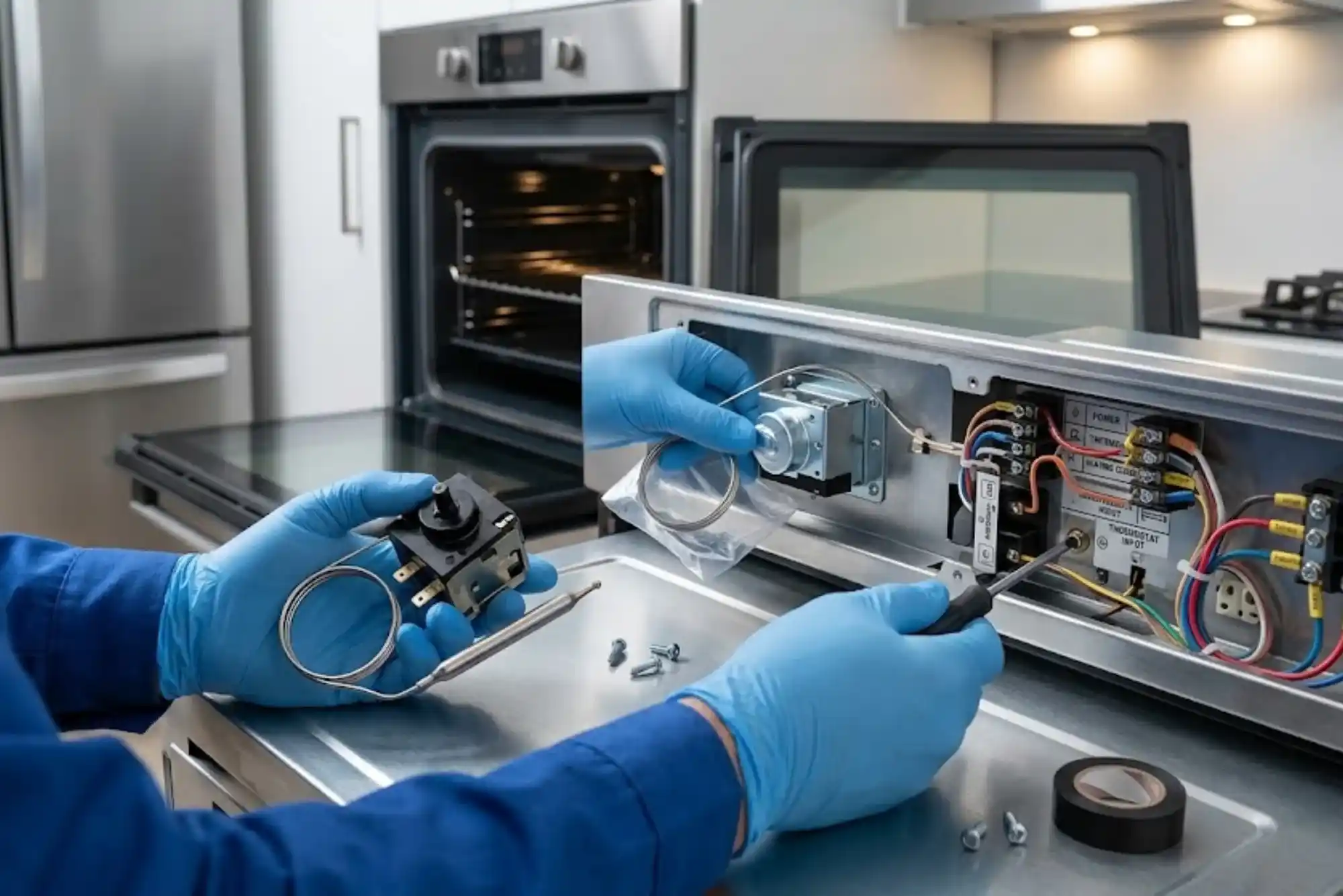
One of the less visible yet highly valuable contributions of stove control boards is their role in diagnostics. Many boards are designed with built-in error reporting systems that display codes when issues arise. This not only helps users understand what might be wrong but also assists technicians in identifying faults quickly.
Instead of replacing entire appliances, technicians can repair or replace individual control boards, extending the lifespan of stoves and reducing electronic waste. The modular nature of these boards makes them integral not just to daily operation but also to long-term maintenance strategies.
Industry Trends and Future Directions
As kitchen technology continues to advance, stove control boards are becoming even more sophisticated. The integration of smart home ecosystems is already influencing stove design, with boards enabling Wi-Fi and Bluetooth connectivity. Users can now control stoves remotely, receive maintenance alerts on their smartphones, or even integrate cooking appliances into voice-controlled platforms.
Future innovations are likely to include AI-powered cooking assistants, predictive maintenance systems, and deeper energy optimization algorithms. These developments rely on control boards as the central processing units, ensuring that the stove evolves alongside broader digital trends.
The Broader Impact on Appliance Manufacturing
From the perspective of manufacturers, stove control boards represent a critical investment in quality and brand differentiation. Appliances equipped with advanced boards command higher market value because they promise durability, safety, and modern convenience. Furthermore, boards enable manufacturers to roll out software updates or design modular improvements without changing entire product lines.
This adaptability ensures that companies can keep pace with consumer demand while maintaining competitive efficiency in production. The increasing reliance on electronics also opens doors to collaboration between appliance manufacturers and semiconductor or software developers, further expanding innovation possibilities.
Challenges and Considerations
Despite their advantages, stove control boards are not without challenges. They are susceptible to wear, electrical surges, and damage from moisture or heat exposure. Replacing a faulty control board can also be expensive relative to other stove components.
Additionally, as stoves become more digitized, the risk of software glitches or cyber vulnerabilities grows. Manufacturers must prioritize robust testing, firmware security, and long-term support to ensure that electronic convenience does not compromise reliability. These concerns highlight the importance of designing boards with both resilience and adaptability in mind.
The Silent Architect of Modern Cooking
The stove control board may not be the most visible component in a modern kitchen appliance, but it is unquestionably one of the most important. Acting as the brain of the stove, it harmonizes safety, performance, efficiency, and user interaction.
By evolving beyond simple switches into multifunctional electronic systems, control boards have transformed the cooking experience into something safer, more precise, and more sustainable. As technology continues to progress, these boards will only grow in importance, shaping not just the appliances we use but also the way we approach cooking in the modern era.
In many ways, the role of stove control boards is emblematic of broader trends in technology: invisible yet indispensable, quietly orchestrating everyday tasks while unlocking new levels of possibility. Whether in today’s kitchens or those of the future, they remain the silent architects of reliable, intelligent, and enjoyable cooking.