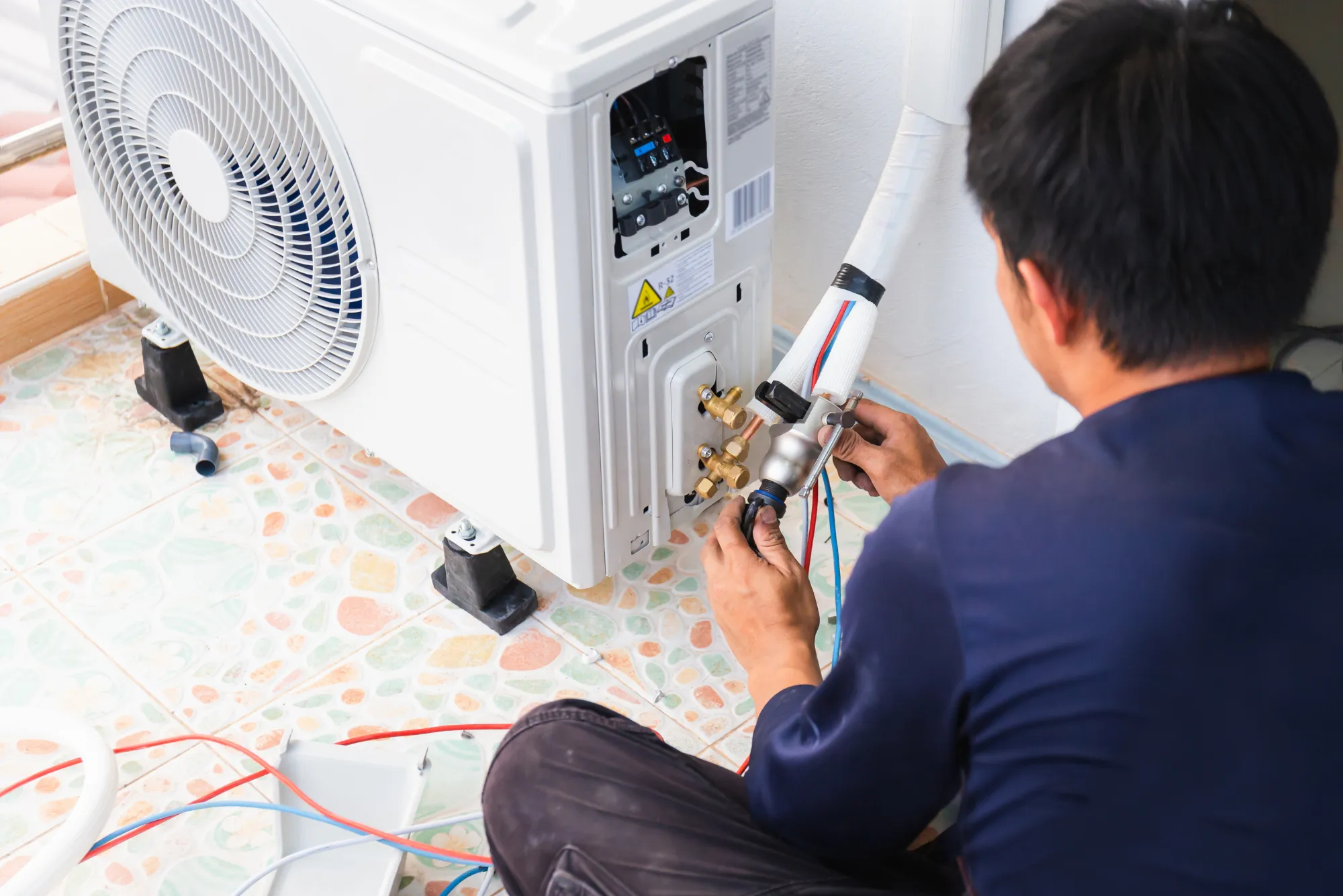
Understanding the Importance of AC Leak Diagnosis
Air conditioning systems are engineered to deliver comfort and climate control efficiently. However, even the most advanced AC units can face issues, and one of the most common and disruptive problems is water leakage. AC leaks not only disrupt indoor comfort but also pose a risk of water damage to walls, ceilings, or flooring if left unattended. Understanding the root causes behind these leaks is essential to resolve the issue accurately and prevent future occurrences.
When an air conditioner leaks, the solution isn’t always as simple as clearing a drain or topping off refrigerant. The leak may be a sign of deeper mechanical issues or improper maintenance. Knowing what causes these leaks and how to fix them helps homeowners and businesses save on expensive repairs and keep their systems running efficiently all year round.
Clogged Condensate Drain Line and Its Impact
The most common reason behind AC leaks is a clogged condensate drain line. As the air conditioner runs, it removes moisture from the air, which collects in the drain pan and exits through the condensate line. Over time, this line can get blocked by algae, dirt, mold, or debris. When this happens, water backs up into the system and eventually leaks out from the indoor unit.
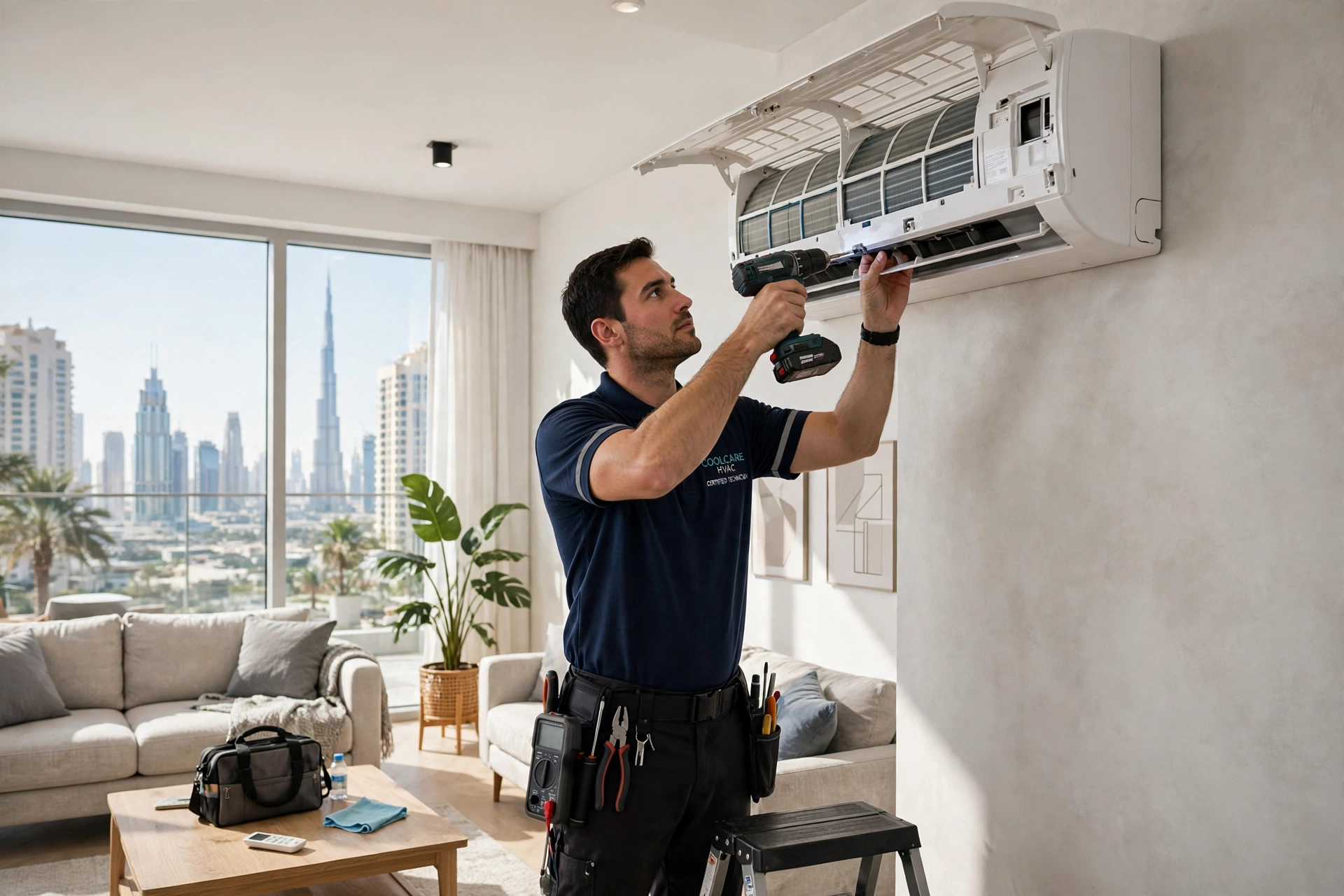
Fixing a clogged condensate drain line involves first turning off the power supply to the unit. Technicians often use a wet/dry vacuum to remove the clog from the drain line outside the home. If vacuuming doesn’t work, a plumber’s snake or pressurized air can clear more stubborn obstructions. In extreme cases, replacing the drain line entirely might be necessary. To prevent future blockages, regular flushing with a vinegar or bleach solution is recommended as part of routine maintenance.
Dirty or Damaged Air Filters Disrupting Airflow
Air filters play a vital role in maintaining airflow and protecting internal components from dust and debris. When filters become dirty or clogged, they restrict airflow over the evaporator coil. As a result, the coil may freeze due to lack of warm air passing over it. Eventually, when the coil defrosts, the melting ice can overwhelm the drain pan and cause leaks.
Replacing or cleaning the air filter is a straightforward fix, but it’s often overlooked. Filters should be checked monthly and replaced at least every 1 to 3 months, depending on usage and environment. A clean filter not only prevents water leaks but also boosts energy efficiency and prolongs the unit’s lifespan. In cases where a frozen coil has led to internal moisture accumulation, a full system inspection is necessary to ensure no components are damaged from water exposure.

Low Refrigerant Levels Causing Coil Freezing
Low refrigerant levels are another common culprit behind air conditioner leaks. When refrigerant is low, typically due to a leak in the refrigerant lines or connections, the pressure in the system drops. This causes the evaporator coil to become excessively cold and freeze over. When the ice melts, it can overflow the drip pan, leading to water leaks.
Identifying a refrigerant issue requires the expertise of a licensed HVAC technician. The repair begins with leak detection, using specialized tools to identify pinhole leaks or corroded areas in the line set. Once the source is identified, the line is repaired or replaced, and the system is recharged to manufacturer specifications. It’s important to note that topping off refrigerant without fixing the leak is only a temporary solution and may violate environmental regulations.
Addressing refrigerant problems promptly also prevents compressor damage, which is a much costlier issue. Regular inspections can catch refrigerant drops early and maintain peak cooling efficiency.
Cracked or Rusted Drain Pans Leading to Water Spills
The drain pan sits beneath the evaporator coil and collects condensate water during the cooling process. Over time, especially in older systems, these pans can develop cracks or rust, allowing water to escape before it reaches the drain line. This often results in water leaking directly into the indoor space, damaging flooring, walls, or ceilings.
To repair a drain pan, the first step is to access and inspect it for visible damage. Temporary fixes include using water-resistant epoxy or sealant to patch small cracks. However, these solutions are not long-term. In most cases, replacing the damaged drain pan is recommended. Technicians also verify the slope and placement of the pan to ensure water flows properly into the drain line.
During routine maintenance, checking the condition of the drain pan is a critical step. Catching early signs of rust or corrosion helps avoid sudden leaks and costly water damage.
Improper Installation or Poor System Maintenance
A lesser-known but equally serious cause of AC leaks is improper system installation or poor ongoing maintenance. If an AC unit isn’t installed level, it may cause water to pool in the wrong areas and overflow the pan. Similarly, if insulation around the refrigerant lines is missing or deteriorated, condensation can form and drip onto nearby surfaces.
Fixing such issues involves a comprehensive system audit by qualified professionals. Releveling the unit or repositioning it may be required to restore proper drainage. Insulation on suction lines should be replaced if worn out to prevent condensation buildup. Additionally Causes of AC Leaks, regular tune-ups are essential to catch these installation or operational flaws before they turn into active leaks.
Annual maintenance not only addresses potential causes of leaks but also keeps coils clean, ensures airflow is optimal, and confirms all components function as intended. This proactive approach drastically reduces the chances of unexpected breakdowns or water damage.
How Regular Maintenance Prevents Future Leaks
Preventing AC leaks is more cost-effective than repairing water-damaged walls or replacing mold-infested ducts. Scheduled maintenance includes checking refrigerant levels, cleaning coils, inspecting drain lines, and replacing air filters. These steps eliminate the most common causes of leaks before they escalate.
Technicians also inspect the integrity of seals, pans, and fittings, ensuring nothing is loose or degraded. Seasonal check-ups during spring and fall are particularly useful in preparing the system for heavy use during peak summer or winter months. Investing in preventive care not only avoids leaks but extends the lifespan of the entire HVAC system and keeps energy bills in check.
For property managers or homeowners, enrolling in a maintenance plan provides peace of mind and reduces emergency repair costs. A well-maintained air conditioner works efficiently, operates quietly, and stays leak-free throughout its lifecycle.
Final Thoughts on Fixing and Preventing AC Leaks
Air conditioning leaks can range from minor nuisances to serious threats that damage property and compromise system performance. Understanding the most common causes—from clogged drain lines to low refrigerant levels—and addressing them with professional solutions ensures long-term reliability. While some repairs are simple, like changing an air filter, others require technical expertise, such as sealing refrigerant leaks or replacing a corroded pan.
Choosing experienced HVAC professionals is essential for diagnosing the problem accurately and applying the correct fix the first time. More importantly, committing to regular maintenance is the best defense against recurring AC leaks. By staying proactive, you not only protect your property but also ensure consistent cooling comfort through every season.