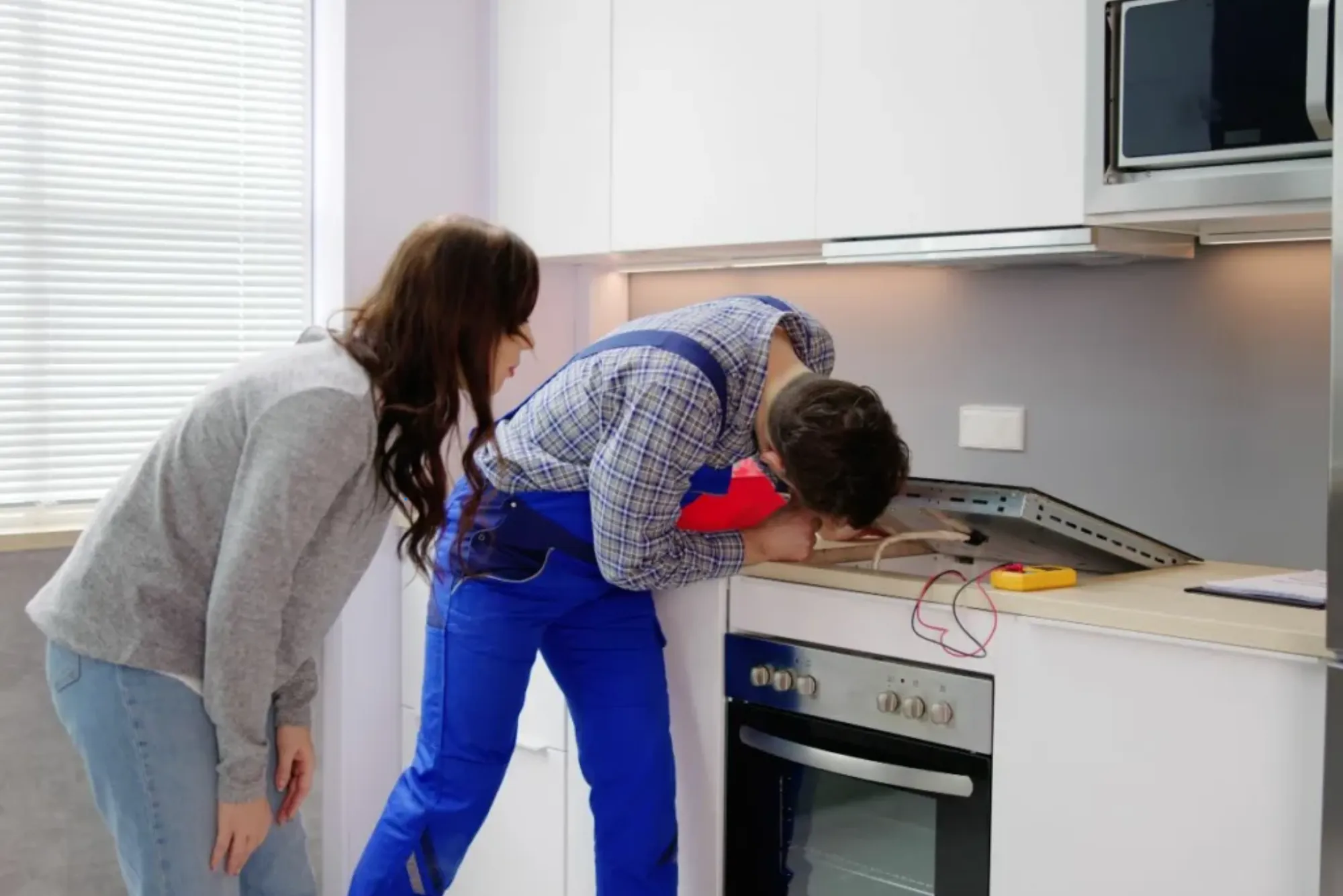
Electric stoves have become an essential fixture in modern kitchens, offering convenience, precise temperature control, and efficient cooking performance. However, like all electrical appliances, they are not immune to technical faults. When a stove fails to operate correctly, the frustration can be immediate, especially if you rely on it daily. Troubleshooting stove electrical problems requires a balance of practical knowledge, safety awareness, and an understanding of how the appliance functions. By recognizing the symptoms of electrical faults and addressing them systematically, many issues can be resolved without unnecessary replacement or costly repairs.
Understanding How Electric Stoves Operate
To troubleshoot effectively, it is important to first understand the basic operation of an electric stove. These appliances work by converting electrical energy into heat, which is distributed to burners or heating elements. Each heating element is controlled by a switch or control board that regulates the amount of electricity flowing to it. When a stove functions properly, the elements glow red and maintain the desired temperature. A fault anywhere in this system—whether in the wiring, the control unit, or the heating elements—can disrupt performance. Knowing where to start can save time and ensure safety.
Recognizing Early Signs of Electrical Issues
Electrical stove problems often present themselves gradually before a complete breakdown occurs. A burner that heats inconsistently, a control knob that feels unusually hot, or a breaker that trips frequently are all warning signs. In some cases, the stove may emit unusual noises or a faint burning smell, both of which should never be ignored. Identifying these early indicators can prevent more serious damage to the appliance and reduce the risk of hazards such as electrical fires.
Safety Precautions Before Troubleshooting
Before attempting any troubleshooting, safety must always come first. Electric stoves operate on high-voltage circuits, and improper handling can lead to severe injury. The appliance should always be disconnected from its power source before any inspection. If the stove is hardwired, turning off the circuit breaker is essential. Additionally, working in a well-lit space and using insulated tools can further minimize risks. If at any point the problem seems beyond one’s ability, consulting a professional electrician or appliance technician is the safest option.
Common Causes of Power Failures
When a stove fails to power on, the most obvious place to start is the power supply. A tripped breaker, a blown fuse, or a damaged power cord are frequent culprits. Sometimes, the outlet itself may have developed a fault, preventing electricity from reaching the appliance. In homes with older wiring, power fluctuations may also cause operational problems. Verifying that electricity is reaching the stove is the first step, as it rules out household electrical issues before investigating the appliance itself.
Malfunctioning Heating Elements
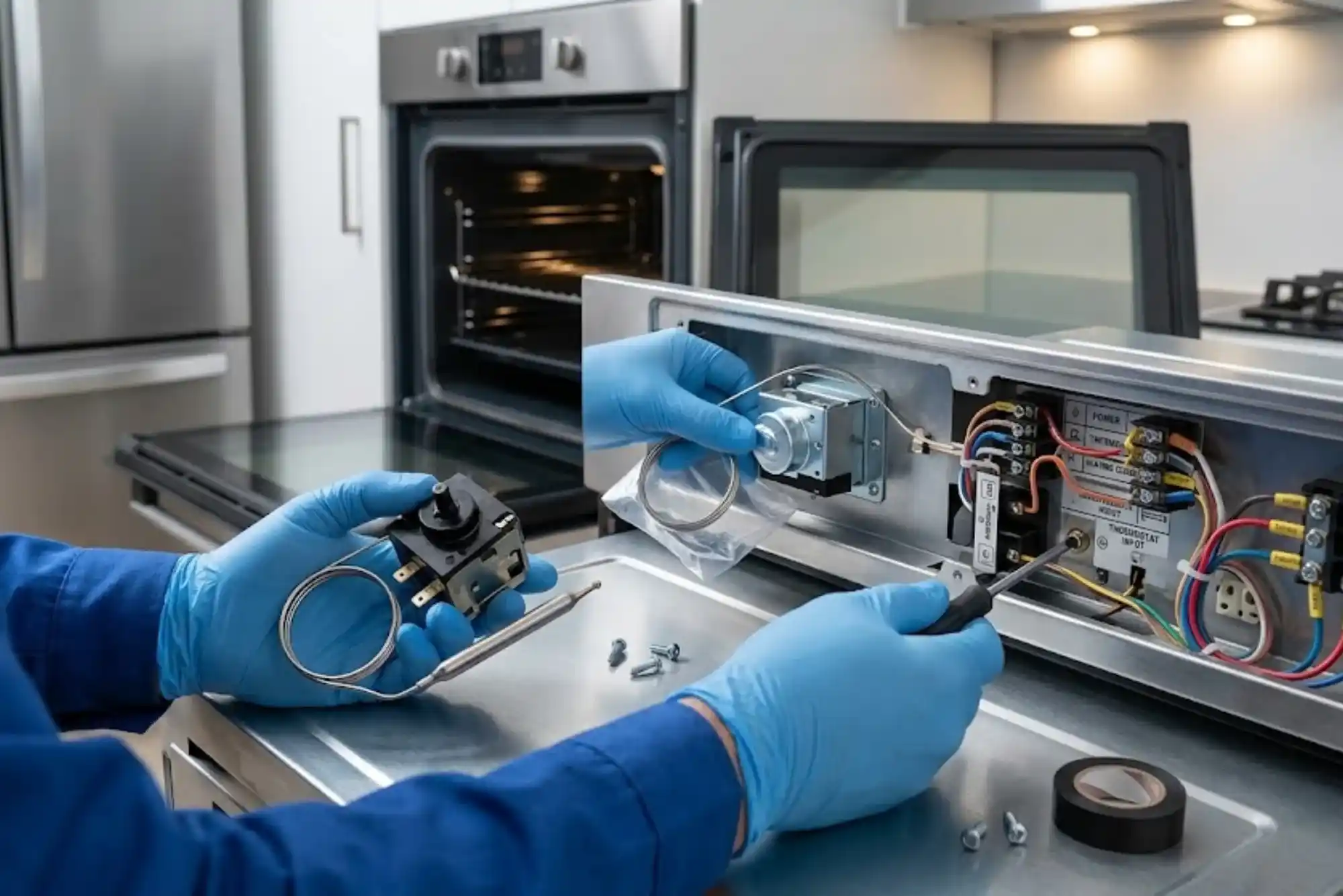
One of the most frequent problems with electric stoves involves malfunctioning heating elements. When a burner does not glow or produces uneven heat, it may be due to a broken element or poor connection. Visually, a failed element may show signs of blistering, cracks, or discoloration. However, sometimes the damage is internal and requires testing with a multimeter to confirm continuity. Replacing a faulty element is generally straightforward, but it is important to ensure compatibility with the stove’s model.

Faulty Burner Switches and Controls
If a heating element is in good condition but still fails to heat, the issue may lie with the burner switch or the electronic control board. The switch regulates power to the element, and when it wears out, it may either send no power at all or deliver it inconsistently. Symptoms of a faulty switch include burners that stay on at full heat regardless of setting or fail to respond altogether. In modern stoves with digital controls, a malfunctioning control board can cause multiple burners to fail, making diagnosis more complex.
Wiring and Connection Problems
Behind every functioning stove is a network of electrical wiring that connects the power supply to the controls and elements. Over time, these wires can loosen, burn out, or corrode, particularly in older appliances. A loose wire may cause intermittent heating, while a burned connector can result in complete failure of a burner. Inspecting wiring for signs of overheating or visible damage is an important step in troubleshooting. Replacing damaged wires must always be done with wires of the correct rating to avoid further hazards.
Oven Heating Failures
Apart from stovetop burners, the oven compartment itself can develop electrical issues. When an oven fails to heat, the problem could be with the bake or broil element, the thermostat, or the temperature sensor. A faulty sensor may cause the oven to heat incorrectly or shut off unexpectedly. In digital ovens, electronic control boards often regulate oven temperature, and their failure can mimic heating element issues. Diagnosing oven heating problems requires testing individual components rather than assuming the element itself has failed.
Tripping Circuit Breakers
A common household symptom of stove electrical issues is a frequently tripping circuit breaker. This usually indicates that the stove is drawing more current than the circuit can handle or that a short circuit is present. Breakers that trip immediately upon switching the stove on often signal an internal short. In contrast, breakers that trip after some time suggest overheating or overloading. While replacing a breaker may seem like a solution, it is crucial to identify the root cause inside the appliance to prevent fire risks.
Unusual Noises and Odors
Stoves are generally quiet in operation, so unusual noises such as buzzing, popping, or crackling often point to electrical arcing or loose components. Similarly, a burning smell is a red flag that should never be ignored. Such odors often stem from overheated wiring or insulation and can escalate quickly to fire hazards. Identifying the source of the noise or smell requires opening the stove panels and carefully inspecting the internal components. Prompt attention can prevent more severe damage.
Importance of Regular Maintenance
Many stove electrical problems arise from lack of maintenance. Dust accumulation, grease buildup, and loose connections contribute to overheating and premature component failure. Regularly cleaning the stove, inspecting cords and plugs, and checking that burners are secure can extend the life of the appliance. For households with older wiring, ensuring the stove is on a dedicated circuit reduces the risk of overloads. Routine professional servicing can also detect hidden problems before they lead to breakdowns.
Knowing When to Call a Professional
While some stove issues can be managed by homeowners, others require the expertise of trained professionals. Problems involving control boards, internal wiring, or recurring power failures are often too complex or hazardous for do-it-yourself solutions. Calling a certified technician ensures that the problem is diagnosed accurately and repaired safely. In many cases, professional intervention can also determine whether repairing the stove is more cost-effective than replacing it entirely.
Safe and Effective Troubleshooting
Troubleshooting stove electrical problems requires patience, careful observation, and respect for electrical safety. From simple issues like tripped breakers to complex failures involving control boards, understanding the possible causes allows for more effective solutions. By recognizing early signs, taking safety precautions, and knowing when to seek professional help, homeowners can keep their stoves functioning efficiently and safely. An electric stove is a significant investment, and timely troubleshooting ensures it continues to serve reliably for years to come.