Cooking has always been at the heart of the home, and the stove sits at the center of that tradition. While ovens, microwaves, and even smart appliances have evolved, the stove remains a primary tool for preparing meals. Choosing the right type of stove can impact not only how you cook but also how much energy you consume, the flavors you achieve, and the long-term safety and convenience of your kitchen. Among the most common choices are gas and electric stoves, each offering its own advantages and challenges. Understanding how they differ is key to making an informed decision for your household.
The Historical Context of Stove Technology
Stoves have a rich history that reflects cultural and technological shifts. Before modern innovations, open fires were the standard, providing both heat and a way to prepare food. In the 19th century, cast iron stoves revolutionized home cooking by offering more control and efficiency. Gas stoves began to gain popularity in the early 20th century, providing instant flames and quicker heating compared to wood or coal. By mid-century, as electricity became widespread, electric stoves entered kitchens, promising cleaner operation and convenience. Today, both gas and electric stoves remain widely available, and consumers often find themselves weighing the balance of performance, cost, and personal preference.
Performance and Cooking Precision
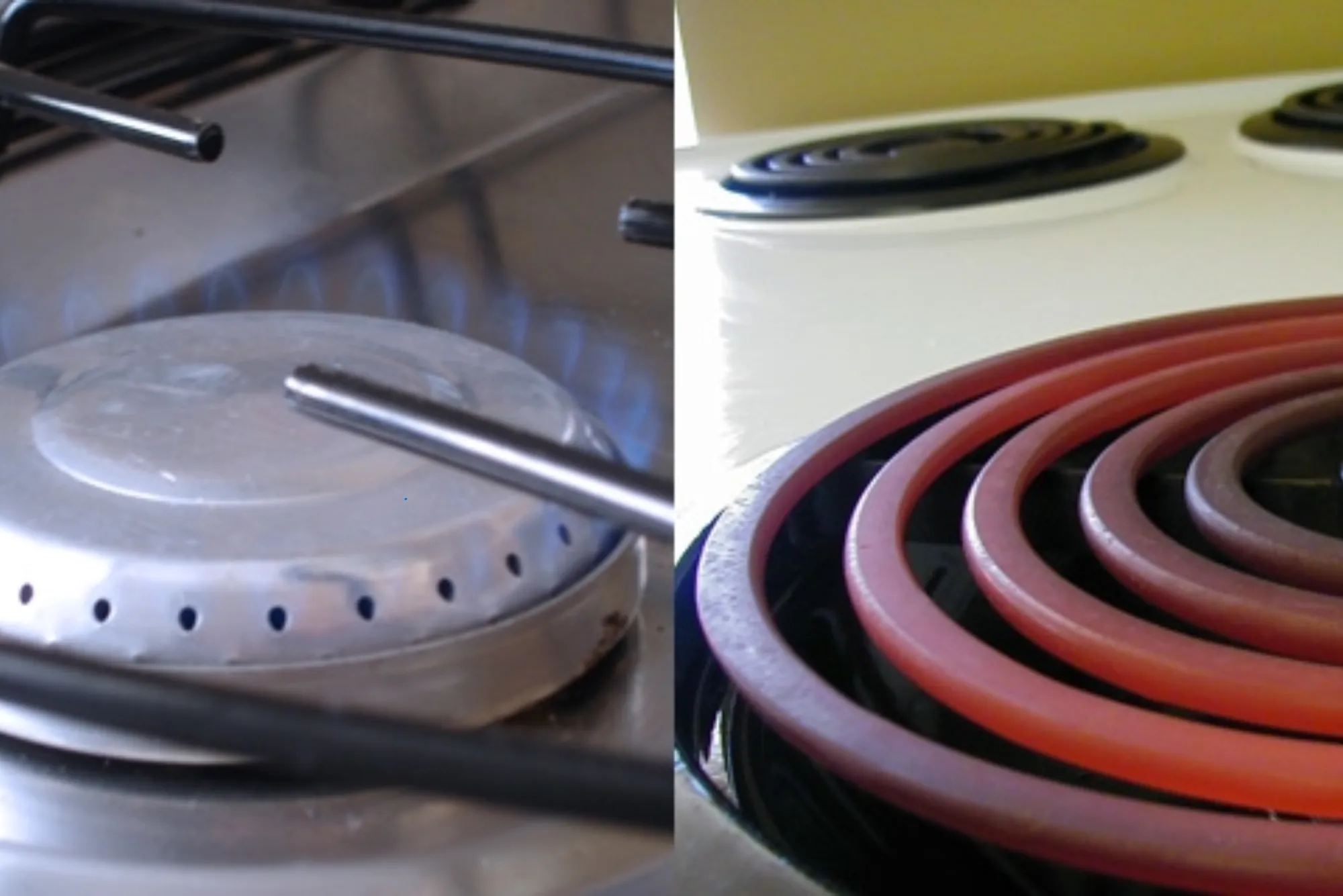
One of the primary differences between gas and electric stoves lies in cooking performance. Gas stoves are prized for their ability to provide instant heat. The flame responds immediately when adjusted, allowing cooks to control temperature with precision. This responsiveness makes gas the preferred choice for professional chefs and home cooks who enjoy dishes that require quick temperature shifts, such as stir-frying or searing.
Electric stoves, on the other hand, heat through coils or smooth ceramic glass tops. While they provide consistent heat, they are slower to adjust when temperatures need to rise or fall. This delay can make delicate cooking techniques more challenging, but electric stoves excel at steady heat applications like simmering soups or baking casseroles. Over time, innovations such as induction cooking have blurred the lines, offering electric options that mimic the responsiveness of gas, though at a higher cost.
Energy Efficiency and Environmental Impact
Energy efficiency is a growing consideration as households strive to reduce utility bills and environmental footprints. Gas stoves, while efficient in delivering direct flame, lose some energy because much of the heat escapes around the cookware. They also rely on natural gas or propane, both of which are fossil fuels with carbon emissions implications.
Electric stoves, especially those paired with renewable energy sources, can reduce environmental impact. When connected to grids powered by solar, wind, or hydropower, electric cooking becomes far more sustainable. However, electric stoves may consume more energy overall during use, particularly in older coil-based models. Induction technology, considered the most efficient form of electric cooking, transfers energy directly to cookware with minimal heat loss, making it a strong contender for environmentally conscious households.

Cost Considerations and Long-Term Value
Price is often a deciding factor when choosing between gas and electric stoves. Gas stoves typically have a higher upfront cost, especially if a kitchen does not already have a gas line installed. The installation of new gas infrastructure can be expensive and, in some areas, restricted by building codes or environmental regulations. However, operating costs for gas stoves can be lower since natural gas prices are often more stable and affordable compared to electricity rates.
Electric stoves, in contrast, are usually more affordable upfront. They are easier to install since most homes already have the necessary electrical connections. Operating costs vary widely depending on local electricity rates, and in some regions, running an electric stove may cost significantly more over time. Induction cooktops, while highly efficient, are among the most expensive to purchase, but their energy savings and performance can justify the investment for serious home cooks.
Safety Factors and Household Concerns
Safety is a critical consideration when selecting a stove. Gas stoves come with the risk of open flames, gas leaks, and carbon monoxide emissions. Proper ventilation is essential to reduce indoor air pollution, and households with children or pets must be particularly cautious around exposed flames. That said, many modern gas stoves include built-in safety features such as automatic shut-off valves and flame failure devices.
Electric stoves eliminate the risks associated with gas leaks but present their own challenges. Coil burners can stay hot long after being turned off, posing a burn hazard. Smooth-top electric stoves improve visibility, but they also retain residual heat. Induction models are safer in this regard since the surface itself remains cool, heating only the pan. For families, induction cooktops represent a significant leap forward in minimizing kitchen hazards.
Cooking Styles and Personal Preferences
The choice between gas and electric often comes down to how individuals like to cook. Gas stoves are ideal for those who enjoy fast, hands-on cooking techniques that demand quick adjustments. The visible flame also provides a psychological comfort, giving cooks a tangible sense of control. Electric stoves, however, cater to those who prioritize consistency, ease of cleaning, and a sleeker appearance in their kitchens. Induction options merge both worlds by delivering responsiveness with enhanced safety and efficiency, appealing to modern households that value technology-driven solutions.
Maintenance and Durability Over Time
Durability and ease of maintenance differ between gas and electric models. Gas stoves, with their sturdy grates and burners, often last longer with proper care. Cleaning can be more labor-intensive since food particles can lodge around burners. Electric coil stoves are relatively durable but less attractive compared to smooth-top models. Glass-ceramic electric stoves are easier to clean but prone to scratching and cracking if heavy cookware is mishandled. Induction stoves, while highly durable, rely on electronic components that may require specialized repairs. Regular maintenance, regardless of stove type, ensures longevity and reliable performance.
Regional and Cultural Influences on Stove Choices
Geography often plays a role in stove preference. In many European countries, electricity dominates, particularly with the rising popularity of induction cooking. In contrast, gas remains the standard in many parts of North America, where access to natural gas infrastructure is widespread. Cultural traditions also influence stove choice. Regions known for wok cooking or flame-based culinary techniques lean toward gas, while baking-focused traditions adapt well to electric. These preferences highlight how the decision between gas and electric is not solely technical but also rooted in lifestyle and cultural habits.
The Future of Kitchen Cooking Technologies
Looking ahead, stove technology continues to evolve. Growing awareness of climate change is driving cities and countries to reconsider the role of natural gas in residential settings. Some municipalities are phasing out gas line installations in favor of all-electric homes. Meanwhile, advancements in induction technology are making it more accessible and affordable. Smart appliances are also entering the scene, allowing users to control their stoves through mobile devices and integrate them with other connected kitchen systems. The choice between gas and electric is no longer a simple binary but part of a broader shift toward sustainable and intelligent home cooking solutions.
Making the Right Choice for Your Kitchen
Ultimately, the decision between gas and electric stoves depends on individual priorities. Those who value precision, speed, and traditional cooking experiences may gravitate toward gas. Those who prioritize safety, modern design, and compatibility with renewable energy may prefer electric or induction options. Cost, local infrastructure, and long-term goals also play a role. By carefully weighing performance, efficiency, safety, and sustainability, households can choose a stove that aligns with their lifestyle and supports their vision of the perfect kitchen.
The debate between gas and electric stoves reflects broader conversations about energy use, sustainability, and personal cooking preferences. While both types have unique strengths and limitations, the best choice is the one that balances functionality, cost, and environmental responsibility for your household. As technology advances and cultural habits shift, the modern kitchen will continue to evolve. Whether powered by flame or electricity, the stove will remain the centerpiece of culinary creativity and daily nourishment.