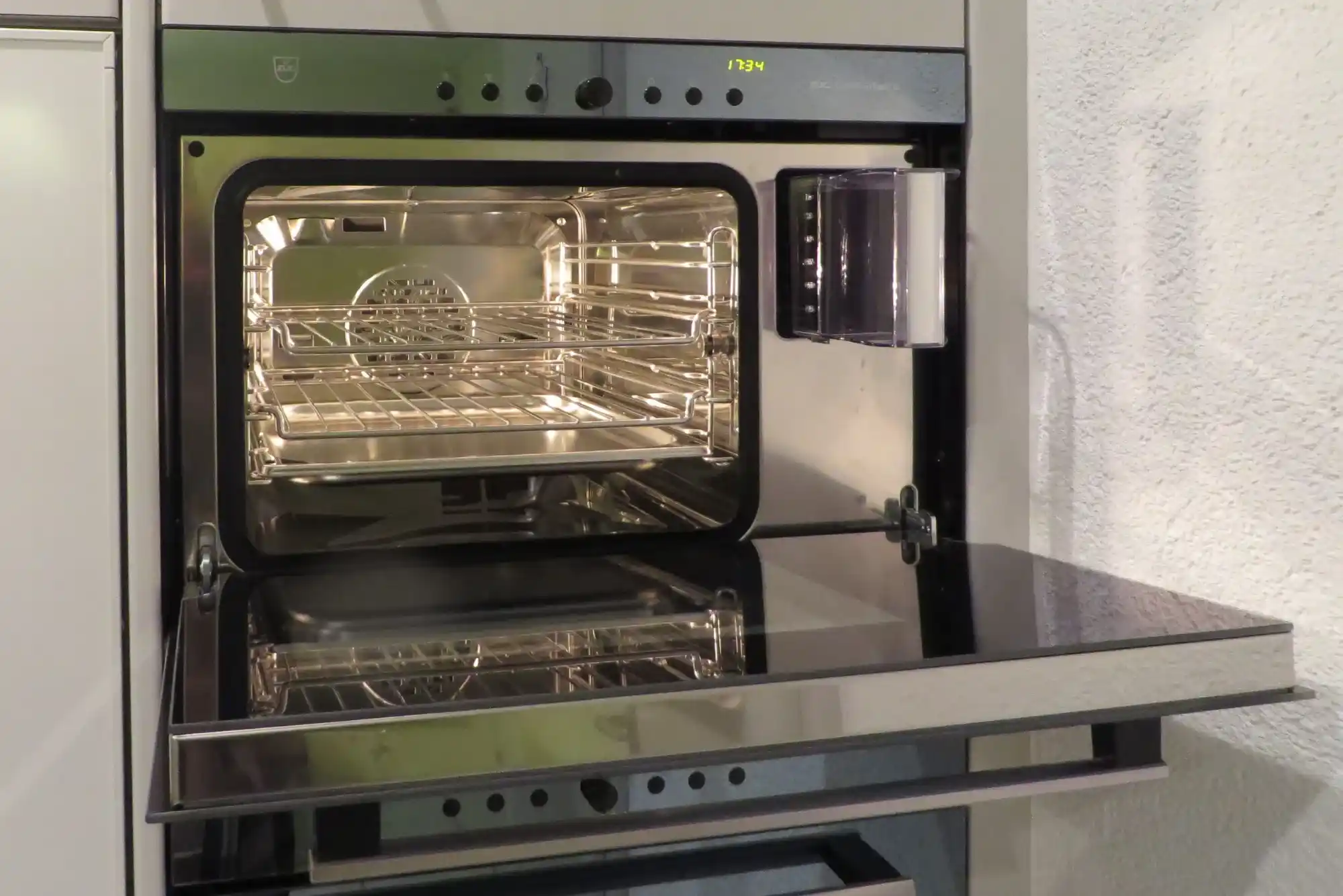
The oven fan is one of those components you rarely think about until it suddenly stops doing its job. You may notice food cooking unevenly, longer preheating times, or strange noises from inside the cavity. In modern electric and convection ovens, the fan plays a central role in ensuring consistent temperatures and efficient heat distribution. When it fails, the oven loses much of its effectiveness, leading to frustration in the kitchen. Understanding why this problem occurs, and how to approach it, can help you decide whether to attempt a fix yourself or call in a professional technician.
The Role of the Oven Fan in Modern Cooking
In traditional ovens, heat relied on rising air currents, creating hot spots and cooler areas that made precise cooking a challenge. Convection technology introduced the fan-and-motor assembly to solve this. By circulating heated air throughout the cavity, the fan ensures even distribution, shorter cooking times, and consistent results. Beyond just air circulation, some fans are paired with heating elements that directly warm the moving air, giving convection ovens their reputation for efficiency.
When this fan stops working, the entire design principle behind your oven is compromised. Roasts may brown unevenly, baked goods may collapse, and temperature readings may no longer align with actual conditions inside.
Signs That Point to a Failing Oven Fan
The first clue of a malfunctioning fan often comes from observation during cooking. Food positioned in one corner of the oven may cook more quickly than food in another. You may also notice that preheating takes longer than usual, or that the oven fails to maintain a steady temperature once set. In some cases, the fan may make grinding or squealing noises before stopping altogether. In others, it may be completely silent, giving no airflow at all.
These early symptoms are important to catch. Continuing to use the oven with a failing fan can put added stress on other components, such as the heating element or the thermostat, compounding the repair needs.
Electrical Issues Behind a Non-Working Fan
Since the fan relies on a motor powered by the oven’s electrical system, faults in the wiring or power supply are common culprits. A burned-out fuse, damaged wire, or failed control board can cut power to the motor. In these cases, the fan blade itself may still be intact and able to spin freely, but without current, it remains motionless.

Homeowners sometimes test this by listening for humming or checking whether the oven’s other electrical functions are operating normally. However, dealing with electrical components requires caution, as ovens carry high voltage even when unplugged. Professional assessment is often the safest route here.
The Motor: The Heart of the Oven Fan
The motor that drives the fan is subject to high heat and constant use. Over time, the bearings can wear down, lubricants can dry out, and windings can fail. A noisy fan is usually the first warning that the motor is struggling. Eventually, it may seize entirely, leaving the blade motionless.
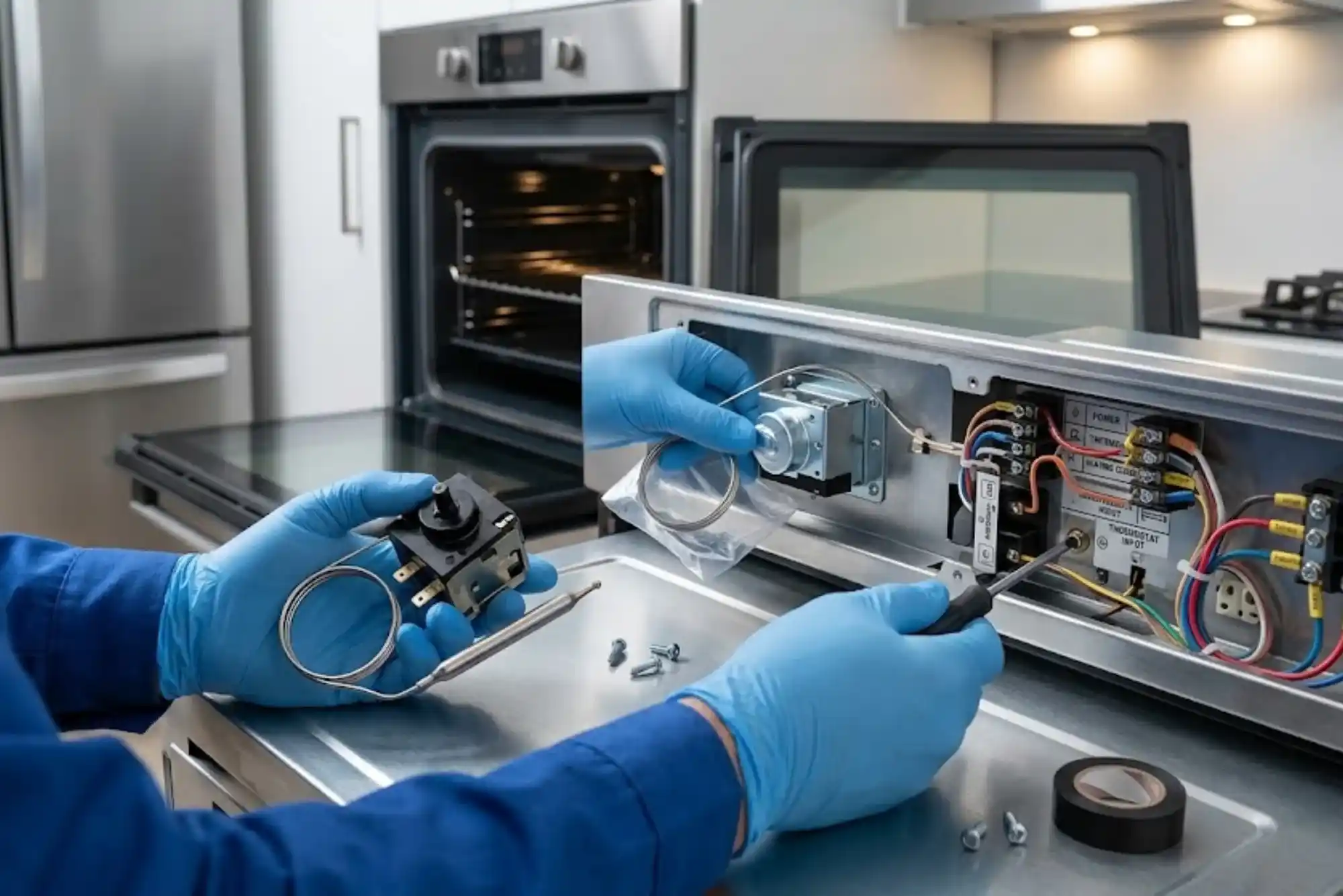
Replacing the motor often resolves the issue, but it requires disassembly of the oven’s interior panels and sometimes the rear casing. For those comfortable with appliance repair, sourcing the correct replacement motor and installing it can bring the oven back to life. For others, a technician’s visit ensures the repair is done safely and correctly.
When the Fan Blade Itself Fails
Although less common than motor problems, the fan blade can also be a source of failure. Built from metal or durable composites, these blades can warp or crack under constant thermal stress. A bent blade may rub against the housing, creating noise and resistance that eventually halts rotation. In some cases, the blade may even detach from the motor shaft if the securing nut loosens.
A visual inspection can often reveal this type of problem. Replacing just the blade is usually simpler and less costly than replacing the motor, though both repairs may require partial oven disassembly.
Thermostat and Control Board Connections
The fan is part of a larger system governed by thermostats and control circuitry. If the oven’s thermostat fails, it may not send the proper signal for the fan to engage. Similarly, a malfunctioning control board can interrupt fan operation even if the motor and blade are in good condition.
Diagnosing this requires tools beyond the average kitchen toolkit, including multimeters and specialized diagnostic equipment. In many cases, a faulty control board needs replacement rather than repair, which can be one of the more expensive fixes.
Heat Buildup and Safety Mechanisms
Modern ovens include safety features designed to protect both the user and the appliance. If sensors detect overheating or unusual electrical activity, they may cut power to the fan or heating elements as a precaution. This can give the impression of a failed fan when, in fact, the oven is preventing damage. Resetting or repairing the safety sensor may restore functionality, but it also requires understanding why the sensor was triggered in the first place.
Regular Maintenance to Prevent Fan Problems
Like all mechanical parts, the oven fan benefits from care. Built-up grease, dust, or food debris can put strain on the motor and create imbalance in the blade. Over time, this increases wear and the likelihood of failure. Cleaning the oven interior regularly, using manufacturer-approved products, can help prevent buildup. Additionally, avoiding slamming the oven door and ensuring adequate ventilation around the appliance reduces stress on internal parts.
Some users also benefit from periodic professional servicing, especially for high-end ovens that represent a significant investment. A technician can check the fan assembly, motor lubrication, and electrical connections before problems become severe.
Repair or Replace: Making the Right Choice
When the fan fails, homeowners face a choice: repair the part or replace the entire oven. The right decision depends on the age of the appliance, the cost of replacement parts, and the extent of the problem. If the oven is relatively new and under warranty, repairs are almost always the right path. For older units where multiple components show wear, replacing the oven may make more sense.
Energy efficiency should also be factored into the decision. Newer ovens often use improved fan technology that consumes less electricity while delivering better cooking performance.
When to Call a Professional
While some fan issues can be diagnosed with a keen eye, most involve disassembly, electrical testing, or component replacement that the average homeowner may not be comfortable attempting. Because ovens connect directly to household electrical systems and operate at high temperatures, improper handling poses risks. If you are unsure, the safest choice is to contact a licensed appliance repair technician.
Professionals not only bring the tools and parts needed for repair but also the knowledge to spot related issues that may not be obvious, such as hidden wiring damage or thermostat faults. Their expertise ensures the oven is restored to safe, reliable operation.
The Importance of a Functioning Oven Fan
A properly working oven fan is more than just a convenience. It is essential to achieving the cooking results that modern recipes assume, especially those designed for convection systems. Beyond cooking quality, the fan contributes to energy efficiency, reducing cooking times and lowering utility bills.
Neglecting a failing fan can shorten the life of the entire appliance, leading to more costly breakdowns later. Addressing the problem early not only restores kitchen performance but also protects your investment in a critical household appliance.
Final Thoughts
When your stove oven fan stops working, it can feel like your entire cooking routine has been thrown off balance. But with an understanding of how the fan functions, the potential reasons for failure, and the available solutions, the situation becomes manageable. Sometimes the fix is as simple as replacing a fan blade, while in other cases it may involve addressing deeper electrical or control board issues.
What matters most is approaching the problem safely and making informed choices about repair versus replacement. Whether through do-it-yourself troubleshooting or professional servicing, restoring your oven’s fan ensures that your kitchen remains a place of consistency, reliability, and culinary success.