The modern kitchen is full of innovations that make daily cooking safer and more convenient, and the electronic ignition system in gas stoves is one of the most impactful. Instead of relying on matches or pilot lights, electronic ignitions provide an instant spark to ignite the burner, ensuring efficiency and reducing gas waste. Yet, when this system fails, it can bring your cooking routine to a halt, leaving you frustrated and often uncertain about the cause. Understanding why your stove’s ignition isn’t working is not only important for restoring functionality but also for maintaining safety in your home.
How Electronic Ignition Systems Work
Electronic ignitions are designed to produce a controlled spark that lights the gas as it flows into the burner. When you turn the knob, a small electrical current triggers a spark module that creates visible sparks near the burner head. If the spark is strong and the gas flow is consistent, ignition is nearly instant. This system eliminates the need for a standing flame and conserves energy. However, because it depends on several components working in harmony—electrical connections, gas valves, and spark electrodes—even a minor issue can cause the ignition to fail.
The Importance of Reliable Ignition in Everyday Cooking
A stove that fails to ignite is not just an inconvenience; it can become a potential hazard. Unburned gas accumulating in the kitchen poses risks of fire or suffocation. In addition, the inability to prepare meals disrupts routines and may lead to higher food costs if you are forced to rely on takeout. A reliable ignition ensures not only ease of use but also confidence that your kitchen is operating safely.
Common Symptoms of Ignition Failure
Most homeowners recognize ignition problems quickly. One of the most noticeable signs is the absence of clicking or sparking when turning the knob. In some cases, the burner produces sparks but fails to ignite the flame. Other times, the ignition may work intermittently, creating inconsistency that can be just as frustrating as total failure. A weak or yellow spark instead of a sharp blue-white flash is another symptom that indicates an underlying issue. These warning signs can help pinpoint the cause of the failure before it escalates into a larger repair.
Electrical Issues That Prevent Ignition
Electronic ignitions depend heavily on electricity, and disruptions in power supply are among the leading causes of malfunction. A stove plugged into a loose or faulty outlet may not receive adequate current to generate sparks. Tripped circuit breakers or blown fuses can also cut off power to the stove. In some households, using multiple high-demand appliances on the same circuit may strain the system, leading to inconsistent ignition. Electrical continuity within the stove itself is equally important, and broken wires or corroded connections can interrupt the circuit that powers the spark module.
The Role of the Spark Module
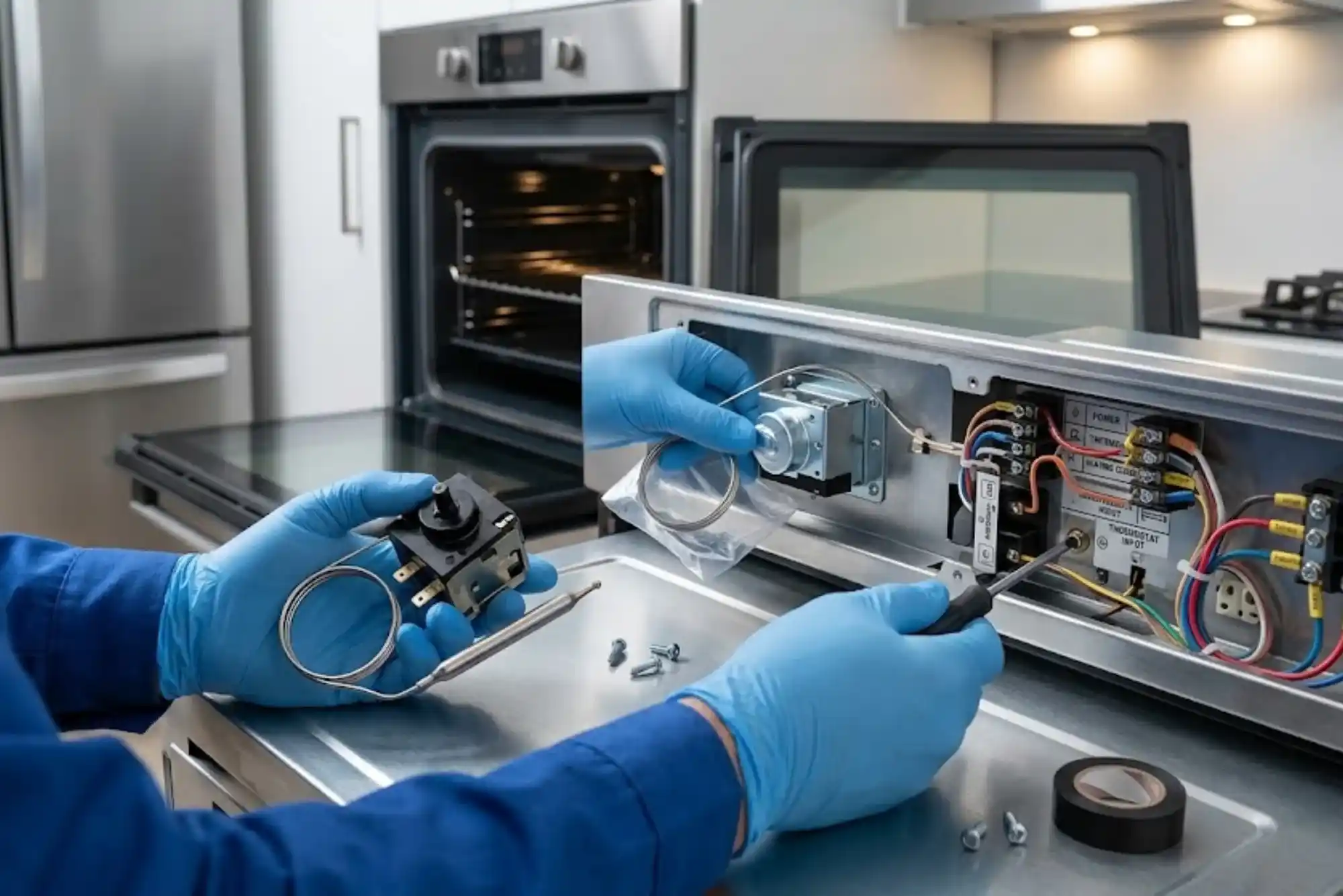
The spark module functions as the ignition’s heart, delivering high-voltage pulses that create sparks at the burners. When this component weakens or fails, sparks may be weak, delayed, or absent altogether. Because the spark module is designed to manage multiple burners, a complete failure often means that none of the burners will spark. However, if only one burner fails to ignite while the others work correctly, the issue is usually elsewhere. Testing or replacing the spark module requires technical expertise, as it involves handling sensitive electrical components safely.

Burner Heads and Electrode Placement
Another critical element in the ignition process is the electrode, which sits near the burner head to generate the spark. If the electrode is misaligned, damaged, or coated with food residue, the spark may not connect with the gas stream effectively. Even a thin layer of grease or moisture can insulate the electrode, preventing ignition. Similarly, clogged burner heads restrict the flow of gas, making it difficult for the spark to ignite the flame. Regular cleaning and inspection of burner components often resolve these problems without the need for extensive repairs.
Moisture and Residue as Hidden Enemies
Cooking inevitably produces spills, splatters, and steam, all of which can interfere with ignition systems. Moisture seeping into the electrode or surrounding area may temporarily block the spark from firing correctly. Residues such as grease and food debris accumulate over time, insulating the electrode and preventing proper conductivity. Even aggressive cleaning methods, such as using too much water or harsh chemicals, can inadvertently damage ignition components. Drying the stove thoroughly after cleaning and wiping electrodes with a soft, dry cloth can often restore proper function.
Gas Supply Problems That Affect Ignition
An electronic ignition system requires not just a spark but also a steady supply of gas. If the gas valve is partially closed, kinked, or blocked, the burner will not ignite regardless of how well the spark functions. Sometimes, low gas pressure from the main supply line or within the stove itself leads to weak flames or delayed ignition. In rare cases, a defective regulator within the appliance restricts the gas flow. Identifying these issues typically requires professional evaluation, as tampering with gas lines without expertise can create dangerous conditions.
Safety Mechanisms That Interrupt Ignition
Modern stoves incorporate multiple safety features that may shut down the ignition system under certain conditions. Flame sensors detect whether a burner has ignited successfully, cutting off gas if no flame is present. Thermal fuses or safety switches may disable the system if overheating occurs. While these features protect against hazards, they can also cause frustration if they malfunction or misread the stove’s condition. Recognizing whether safety systems are triggering unnecessarily is an essential step in diagnosing ignition failures.
Environmental Factors That Influence Performance
The kitchen environment itself can contribute to ignition problems. High humidity levels, especially in poorly ventilated spaces, encourage condensation around ignition components. Hard water used in cleaning may leave mineral deposits on burner heads and electrodes, disrupting conductivity. Even fluctuations in household voltage can weaken spark intensity. These environmental factors often act gradually, creating intermittent ignition issues that worsen over time if not addressed.
Professional Diagnosis and Repair
While some ignition problems are simple enough to resolve with cleaning and inspection, others require specialized knowledge. Diagnosing electrical continuity, testing spark modules, or inspecting gas valves involves tools and expertise most homeowners lack. Attempting DIY repairs on sensitive components can lead to further damage or create safety hazards. Professional technicians not only identify the root cause efficiently but also ensure that any repairs restore the stove to safe operating condition. In many cases, a service call can prevent more costly repairs later by addressing small issues before they escalate.
Preventive Maintenance for Reliable Ignition
Maintaining an electronic ignition system is often more about prevention than repair. Routine cleaning of burner heads, electrodes, and surrounding areas keeps components free of residue. Avoiding excessive moisture during cleaning reduces the risk of short circuits or corrosion. Ensuring that your stove is connected to a stable electrical outlet and that circuit breakers are not overloaded also supports reliable ignition. Scheduling periodic professional inspections, especially for older appliances, helps catch emerging issues early. With consistent care, the lifespan of an ignition system can extend significantly, saving both time and money.
When Replacement Becomes the Best Option
Even with regular maintenance and repairs, there comes a time when replacing ignition components—or the stove itself—becomes the most practical choice. Persistent ignition failures, frequent service calls, and outdated technology may indicate that your appliance is nearing the end of its useful life. Modern stoves often feature more efficient and reliable ignition systems, enhanced safety mechanisms, and improved energy performance. Investing in a replacement not only resolves ignition frustrations but can also elevate your overall cooking experience.
The Broader Impact of Ignition Reliability
Though ignition may seem like a small feature in the context of a stove’s overall design, its reliability has broad implications. It affects safety, energy efficiency, and the ease of preparing meals. A faulty ignition can waste gas, increase household risks, and erode trust in an appliance that should function seamlessly. Conversely, a well-maintained ignition system contributes to the smooth rhythm of daily cooking, where every meal begins with the simple twist of a knob and the immediate satisfaction of a flame springing to life.
A stove’s electronic ignition system is a remarkable convenience, but it is also a complex mechanism that depends on precise coordination of electricity, gas, and clean components. When it stops working, the cause may range from minor residue buildup to deeper electrical or gas supply issues. Understanding the potential reasons behind ignition failure empowers you to address simple problems yourself while recognizing when to seek professional help. Above all, it underscores the importance of preventive care in keeping this essential system reliable. By giving attention to the small details that support ignition, you ensure that your stove continues to serve as a dependable centerpiece in your kitchen for years to come.