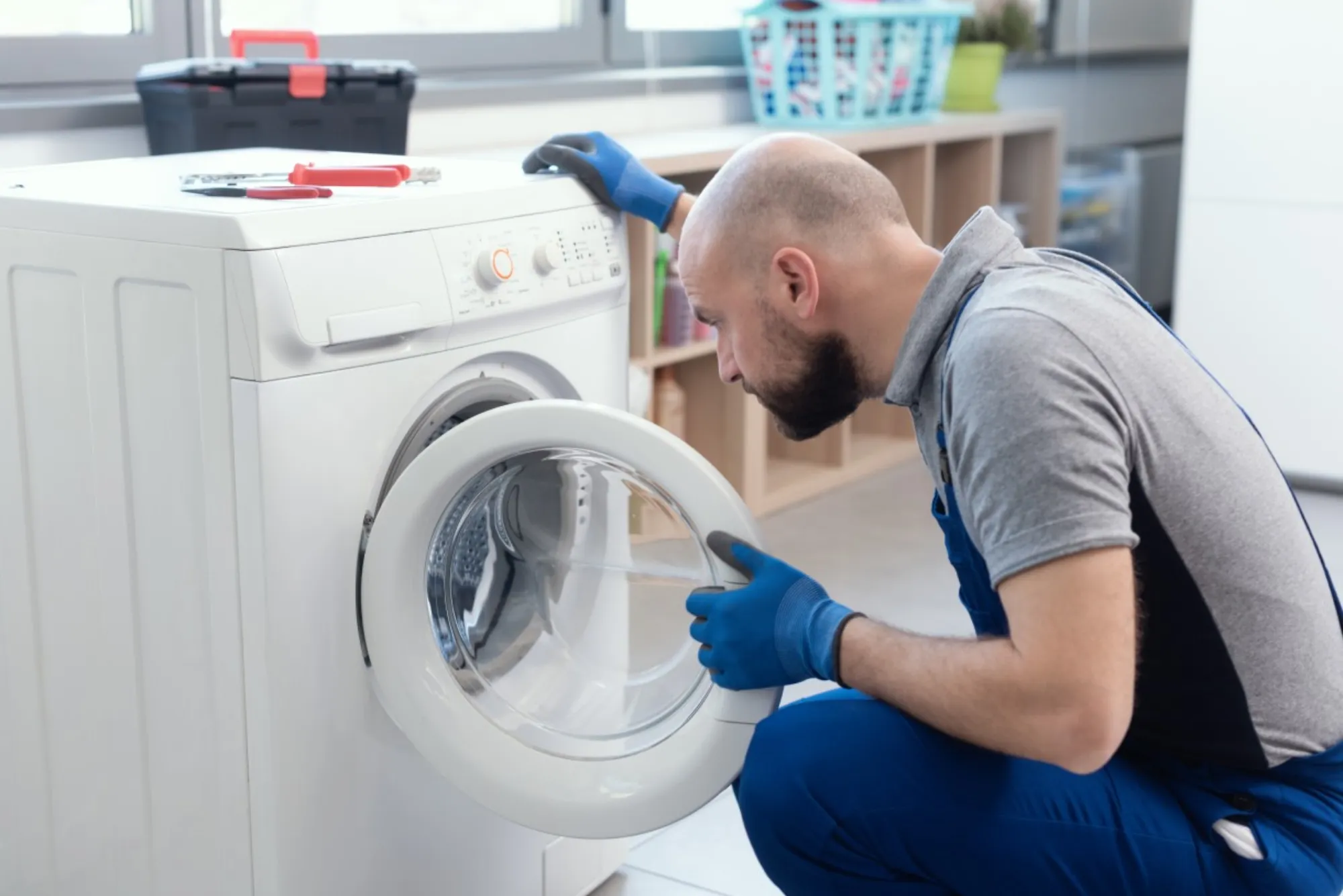
When your washing machine refuses to fill with water, frustration is immediate. A task as simple as doing laundry suddenly becomes a troubleshooting mission. Whether you own a modern front loader or a classic top-load washer, the issue of no water inflow is one of the most common complaints among homeowners. Understanding why this happens is crucial—not just for fixing it once, but for preventing it from happening again.
The Essential Role of Water Flow in a Washing Machine
Water is the lifeblood of every washing cycle. It dissolves detergent, carries dirt away from clothes, and ensures fabrics are rinsed thoroughly. When water doesn’t enter the drum, the washing process cannot even begin. The system relies on multiple components to coordinate the filling process—valves, sensors, hoses, and electronic controls all play critical roles. A failure in any one of these elements can interrupt water flow.
Modern washers are designed with automatic safety features and efficiency systems. These features control water levels, monitor temperature, and prevent flooding. But they also mean that the machine depends heavily on sensors and control boards, making it more vulnerable to technical interruptions.
Common Technical Reasons Behind the Problem
When your washer doesn’t fill, the cause can range from simple to complex. At the simplest level, something might be physically blocking water flow. In more complex cases, electronic faults or sensor issues may be at play. Understanding each possibility can help narrow down the source of the issue.
One frequent culprit is the water inlet valve. This small but essential component acts as a gatekeeper, allowing water from your household supply to enter the washer. Over time, it can become clogged with mineral deposits, lint, or debris. If the valve’s internal solenoid fails, it may no longer open properly when signaled by the control board.
Another potential issue involves the water supply itself. It’s easy to overlook, but sometimes the taps supplying your washer are partially closed, kinked, or blocked. A restricted hose or low household water pressure can prevent the machine from filling even if it’s functioning correctly.

The pressure switch, a small sensor that monitors how much water enters the drum, also plays a key role. If this sensor fails or becomes blocked with residue, the machine might incorrectly “believe” it already has enough water and therefore stop filling. Similarly, modern machines equipped with electronic control boards may experience software errors that disrupt communication between components.
The Impact of Clogged Filters and Hoses
Behind the machine, where water hoses connect to the back panel, small mesh filters are often installed. These filters prevent dirt and debris from entering the washing system. Over time, however, they can become clogged. A partially or fully blocked filter reduces water flow and may lead the machine to report an error or appear non-functional.
In homes with hard water, mineral buildup is a frequent offender. The calcium and magnesium deposits from hard water gradually accumulate inside hoses and valves, narrowing the water passageways. Periodic cleaning of these filters and flushing the hoses can help prevent serious blockages.
Additionally, flexible hoses can become kinked or twisted, especially when the washer is moved or repositioned. This physical restriction can cut off water supply entirely. The fix, in this case, is as simple as straightening the hoses and ensuring they’re not compressed against the wall.
Electrical or Sensor-Related Failures
Not all water-filling issues stem from plumbing. Some are rooted in the machine’s internal electronics. Most washers rely on sensors and relays that determine when and how much water should enter. The control board sends signals to the inlet valve, opening or closing it as needed. If there’s a fault in the control board, the valve may never receive the signal to open.
A defective lid or door switch can also be responsible. For safety reasons, washers won’t fill or spin if they detect that the door isn’t properly locked. Even a minor misalignment or sensor malfunction can trick the system into thinking the door is open, halting all operations.
In newer digital models, software errors or system resets can sometimes resolve communication faults. Disconnecting the washer from power for a few minutes often resets the electronics, allowing the system to recalibrate when powered back on.
Environmental and Installation Factors
Sometimes, the cause of the problem lies outside the washer itself. If your home has experienced recent plumbing changes, such as new fixtures or repairs, air may have entered the water lines. Air pockets can interrupt the flow of water until pressure stabilizes.
Low water pressure is another environmental factor that affects washer performance. Washing machines typically require a minimum pressure level to trigger the inlet valve. If the household pressure is too low, the valve may not open, even if it’s functioning correctly.
Installation issues, such as improper hose connections or reversed hot and cold water lines, can also confuse the washer’s internal systems. Some modern washers check for temperature consistency before allowing the cycle to continue. If the hot and cold hoses are switched, the machine might shut down water intake to prevent errors.
Diagnosing the Issue Step by Step
Identifying why your washer won’t fill begins with observation. First, listen for any sounds when you start the cycle. A humming noise may indicate the inlet valve is trying to open but isn’t receiving water. No sound at all could suggest an electrical issue or a faulty control signal.
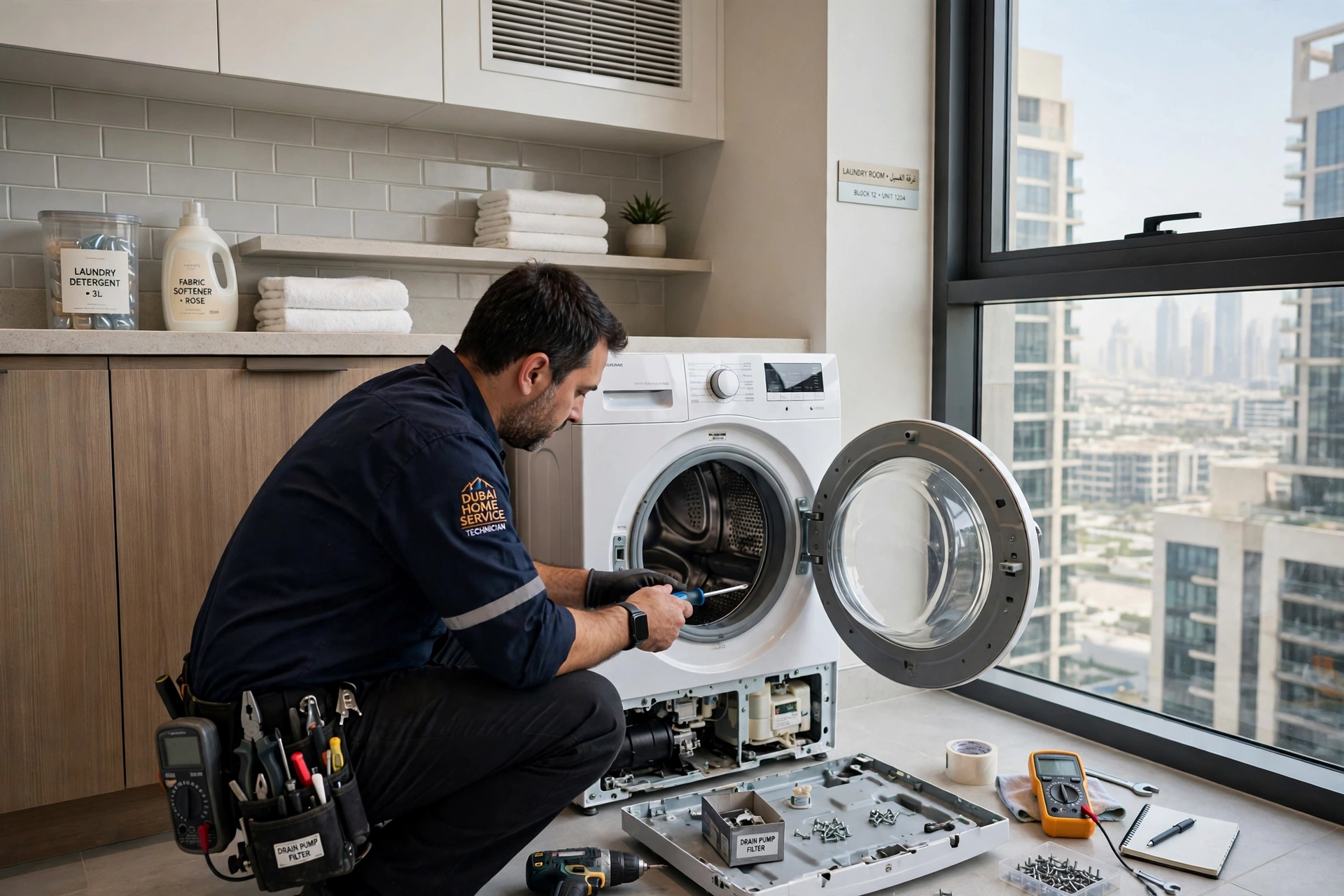
Next, inspect the hoses and taps behind the machine. Ensure they’re open fully and that the hoses are straight and unobstructed. Disconnect the hoses to check the mesh filters for buildup or debris. Cleaning these filters with a soft brush or rinsing them under running water often restores normal flow.
If water supply and hoses are fine, focus on internal components like the inlet valve and pressure switch. Both can be tested with a multimeter to confirm they’re functioning. For electronic models, a diagnostic mode (often accessible via button combinations) can reveal error codes that point to the failing part.
Preventing the Problem from Returning
Prevention is the best long-term solution. Regular maintenance not only extends the life of your washer but also minimizes the risk of water-related issues. Every few months, check the hoses for wear, kinks, or signs of aging. Replace them if they show cracks or bulges.
Cleaning the filters and running a descaling cycle helps counteract mineral buildup. If your home has hard water, installing a softening system or an inline water filter can greatly reduce future clogs.
When installing or moving the washer, always ensure there’s enough space behind it for proper hose alignment. Avoid pushing it too close to the wall, which can compress hoses and restrict water flow.
When to Call a Professional
While many water-fill problems can be resolved with basic troubleshooting, some require expert attention. If the inlet valve, control board, or pressure switch is defective, replacement or professional repair is often the best route. Attempting to repair electrical components without proper knowledge can lead to further damage or safety hazards.
Additionally, if your washer consistently experiences low water flow even after checking the basics, the problem may lie with your household plumbing. A plumber can test your water pressure, inspect supply lines, and verify that there are no obstructions in your home’s water system.
The Relationship Between Maintenance and Longevity
A washing machine is a long-term investment, and its reliability depends heavily on care and maintenance. Ignoring minor problems like slow filling or unusual noises can lead to larger failures later on. The cost of replacing a damaged control board or pump can be far greater than the effort of preventive maintenance.
By understanding how the washer’s water system operates, homeowners can respond quickly when something goes wrong. Routine inspections, timely cleaning, and prompt repairs all contribute to extending the machine’s service life.
Final Thoughts
When your washing machine doesn’t fill with water, the cause may be as simple as a closed tap or as complex as an electronic fault. The key is to approach the issue methodically—checking water supply, hoses, filters, and finally, internal components. With attention to detail and regular maintenance, you can prevent most water-fill issues from recurring.
Your washing machine is an essential part of daily living, and keeping it in good working condition ensures more than clean clothes—it ensures peace of mind. Understanding its water system and respecting its maintenance needs is the best way to ensure it runs smoothly for years to come.