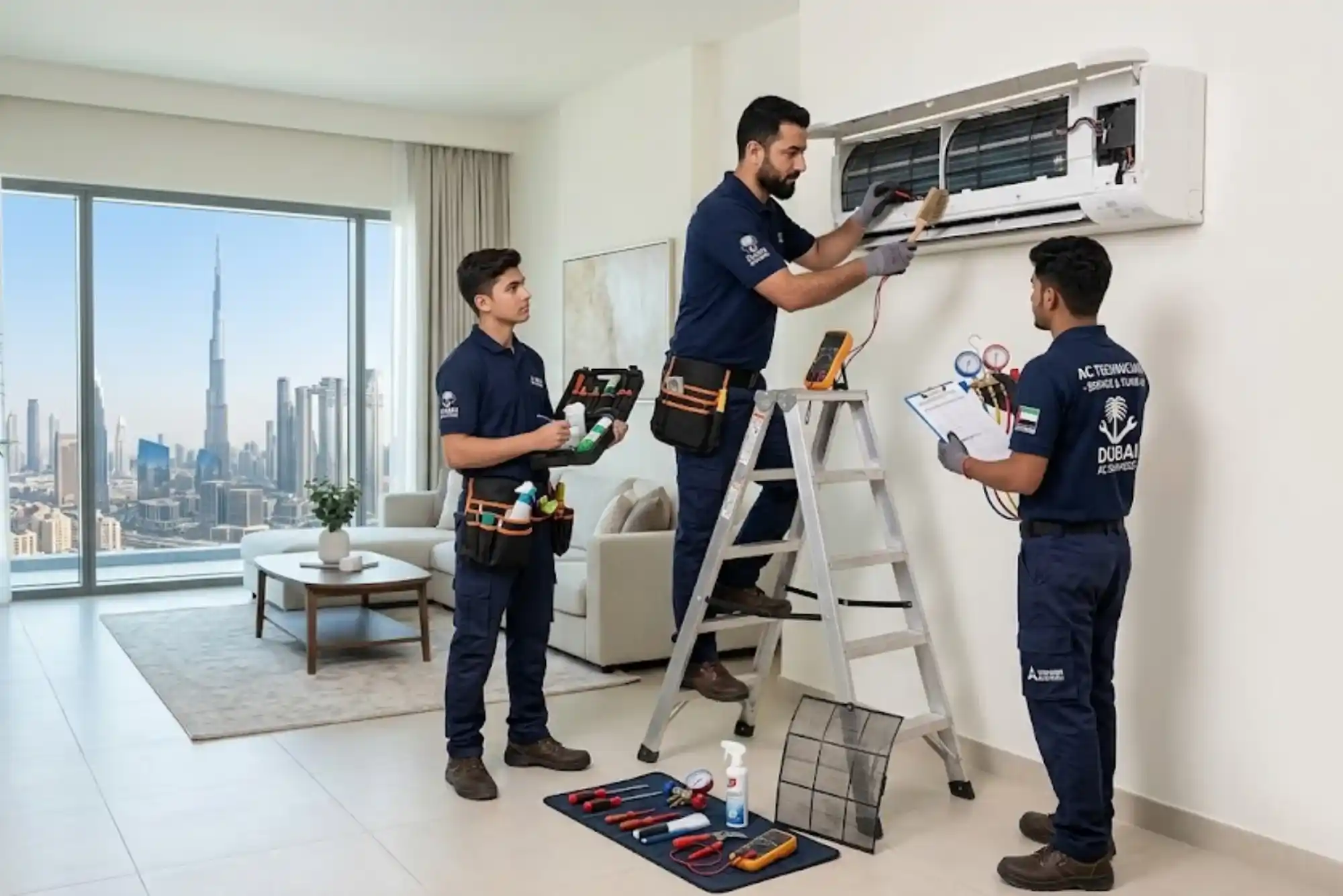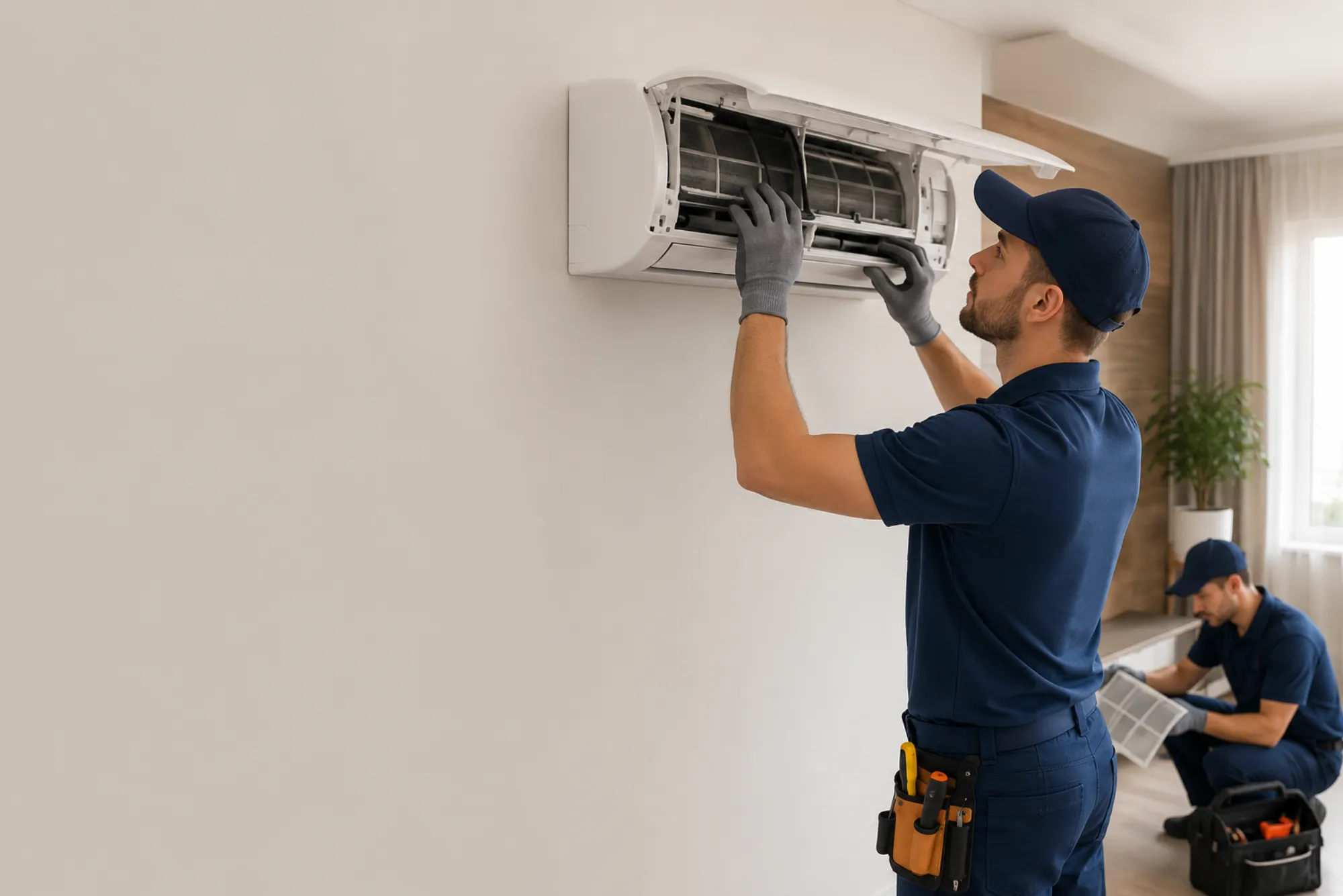
Reliable cooling becomes essential once temperatures begin rising, especially in regions where air conditioners operate for long hours every day. Seasonal air conditioner servicing helps maintain indoor comfort, improves energy efficiency, and prevents sudden breakdowns during peak summer months. Many cooling problems that appear serious often begin with minor maintenance neglect that could have been avoided through routine inspections.
Professional AC servicing typically includes cleaning internal components, checking refrigerant levels, inspecting airflow, testing electrical parts, and ensuring the system operates safely. A properly maintained air conditioner cools faster, consumes less electricity, and experiences fewer performance issues throughout the season.
Homeowners who schedule maintenance before extreme weather arrives often avoid costly emergency repairs later. Preventive servicing also helps preserve indoor air quality by reducing dust buildup, mold growth, and airflow contamination inside the system.
What Is Seasonal Air Conditioner Servicing?
Seasonal air conditioner servicing refers to a complete inspection and maintenance process performed before heavy AC usage periods, usually before summer begins. The goal is to ensure the cooling system runs efficiently and safely throughout the season.
Unlike emergency repairs that focus on fixing breakdowns, seasonal servicing is preventive. Technicians inspect wear and tear, clean important components, and identify hidden issues before they become expensive problems.
Typical seasonal servicing includes:

- Cleaning evaporator and condenser coils
- Inspecting thermostat calibration
- Checking refrigerant pressure
- Testing fan motors and capacitors
- Cleaning drain lines
- Inspecting electrical connections
- Checking airflow efficiency
- Lubricating moving parts where required
Why Seasonal AC Servicing Is Important
Many homeowners wait until the air conditioner stops cooling before contacting a technician. Unfortunately, delayed maintenance often increases repair costs and shortens equipment lifespan.
Routine servicing delivers several long-term benefits:
Improved Energy Efficiency
Dust accumulation, clogged filters, and dirty coils force the system to work harder. This increases electricity consumption and reduces cooling efficiency. Seasonal maintenance restores airflow and improves overall system performance.
Longer Equipment Lifespan
Air conditioners contain multiple moving and electrical components that experience gradual wear. Early servicing reduces unnecessary strain and extends operational life.
Better Indoor Air Quality
Dirty AC systems can circulate allergens, dust particles, and unpleasant odors indoors. Regular cleaning supports healthier indoor air conditions for homes and offices.
Reduced Emergency Repairs
Unexpected AC failures during peak summer can be stressful and expensive. Preventive servicing helps identify weak components before they fail completely.
Signs Your Air Conditioner Needs Seasonal Servicing
Even when an AC system appears functional, certain warning signs indicate maintenance may already be overdue.
| Warning Sign | Possible Cause |
|---|---|
| Weak airflow | Dirty filters or blocked ducts |
| Warm air from vents | Low refrigerant or compressor issue |
| Water leakage | Clogged drain line |
| Strange noises | Loose or damaged components |
| Higher electricity bills | Inefficient AC operation |
| Bad indoor odor | Mold or dirt buildup |
Ignoring these signs can eventually lead to system shutdowns or major repairs.
Key Areas Checked During Professional AC Maintenance
A complete servicing session involves much more than simply washing the air filters. Professional technicians inspect several technical components to ensure smooth operation.
AC Coils and Fins
Dirty coils reduce heat transfer efficiency, causing the air conditioner to cool poorly. Coil fin damage can also block airflow. Regular maintenance improves cooling performance and lowers energy consumption.
Proper coil care is discussed in detail in this guide about AC coil fin straightening benefits.
Drain Line Cleaning
Blocked drain lines often lead to water leakage, moisture damage, and mold buildup around the indoor unit. Cleaning the drain system helps maintain proper condensation flow.
Many homeowners also benefit from understanding how AC drain lines are professionally flushed during maintenance.
Thermostat Inspection
Incorrect thermostat calibration can create uneven cooling and unnecessary compressor cycling. Technicians verify temperature accuracy and system responsiveness.
Some cooling issues can even be resolved through proper thermostat troubleshooting, as explained in this thermostat reset guide.
Outdoor Condenser Inspection
The outdoor condenser unit is exposed to dust, debris, and harsh weather conditions. Seasonal inspections ensure unrestricted airflow and proper heat release.
Outdoor system performance can decline significantly without maintenance, particularly when condenser damage develops. More details are available in this outdoor condenser repair resource.
Best Time for Seasonal Air Conditioner Servicing
The ideal time for AC maintenance is before the beginning of heavy summer usage. Scheduling servicing during spring or early warm weather allows technicians to identify issues before the system faces continuous operational pressure.
Peak summer periods often increase technician demand, leading to longer waiting times and emergency service requests. Early servicing helps avoid these delays while ensuring uninterrupted cooling.
For commercial properties or larger homes with multiple units, maintenance planning should begin even earlier to allow complete system inspections.
How Seasonal Servicing Reduces Electricity Costs
Energy efficiency remains one of the biggest reasons homeowners invest in regular AC servicing. A neglected system requires more power to achieve the same cooling effect.
Several maintenance tasks directly influence electricity usage:
- Cleaning filters improves airflow
- Coil maintenance increases cooling transfer efficiency
- Proper refrigerant levels reduce compressor strain
- Lubricated components reduce motor resistance
- Thermostat calibration prevents excessive cycling
Studies from energy efficiency organizations consistently show that well-maintained HVAC systems consume significantly less electricity than neglected units. [Insert relevant reference link here]
Common Problems Prevented by Seasonal Maintenance
Routine servicing helps prevent several expensive and inconvenient AC issues.
| Problem | How Maintenance Helps |
|---|---|
| Compressor overheating | Improves airflow and refrigerant balance |
| Frozen evaporator coils | Maintains proper airflow and pressure |
| Water leakage | Cleans blocked drainage systems |
| Weak cooling | Restores operational efficiency |
| Electrical failure | Identifies worn electrical parts early |
| Bad odors | Eliminates dirt and microbial buildup |
DIY Maintenance vs Professional AC Servicing
Some maintenance tasks can be safely performed by homeowners, while technical inspections should always be handled by qualified professionals.
Tasks Homeowners Can Handle
- Cleaning or replacing air filters
- Keeping outdoor units free from debris
- Monitoring thermostat settings
- Checking for visible water leakage
- Maintaining clear airflow around vents
Tasks That Require Professionals
- Refrigerant handling
- Electrical diagnostics
- Compressor inspection
- Capacitor replacement
- Coil deep cleaning
- Pressure testing
Attempting advanced repairs without proper expertise may damage the system or create safety risks.
The Role of Refrigerant in Seasonal AC Performance
Refrigerant plays a central role in the cooling cycle. Low refrigerant levels reduce cooling efficiency and increase compressor workload. Seasonal servicing ensures proper refrigerant charge while identifying potential leaks.
Incorrect refrigerant handling can also affect energy efficiency and environmental compliance. Modern systems require precise pressure balancing for optimal operation.
Understanding proper refrigerant management is important for long-term system health, especially when considering how technicians choose the correct refrigerant charge.
How Seasonal Servicing Improves Indoor Comfort
Cooling performance is not just about lower temperatures. Properly serviced air conditioners improve overall comfort in several ways:
- Balanced room temperatures
- Reduced humidity levels
- Cleaner indoor air circulation
- Quieter operation
- Faster cooling response
Indoor comfort becomes especially important in regions where air conditioners operate continuously for extended periods.
Maintenance Tips Between Professional Service Visits
Routine care between scheduled maintenance appointments can help preserve AC efficiency throughout the season.
- Replace filters regularly according to manufacturer recommendations.
- Keep furniture away from indoor vents.
- Inspect outdoor units for leaves or debris buildup.
- Monitor unusual noises or odors early.
- Avoid setting extremely low thermostat temperatures unnecessarily.
- Schedule inspections before cooling performance declines.
Simple preventive habits often reduce long-term repair costs significantly.
Should Older Air Conditioners Receive More Frequent Servicing?
Older cooling systems generally benefit from more frequent inspections because aging components become increasingly vulnerable to wear and performance decline. Systems older than ten years may require closer monitoring for refrigerant leaks, electrical issues, airflow restrictions, and compressor stress.
However, regular maintenance can still extend the useful life of older units considerably when repairs remain economically reasonable.
Frequently Asked Questions
How often should seasonal air conditioner servicing be done?
Most residential air conditioners should receive professional servicing at least once a year, ideally before summer begins. Systems with heavy daily usage may benefit from twice-yearly inspections.
Can dirty AC filters increase electricity bills?
Yes. Dirty filters restrict airflow, forcing the air conditioner to work harder and consume more electricity to maintain cooling performance.
Does seasonal servicing improve cooling speed?
Proper servicing improves airflow, refrigerant efficiency, and overall system operation, which helps rooms cool faster and more evenly.
Why does my AC leak water during summer?
Water leakage commonly results from clogged drain lines, dirty coils, or frozen evaporator components. Routine maintenance helps prevent these issues.
Is professional AC servicing necessary even when the unit seems fine?
Yes. Many developing problems remain hidden until performance drops significantly. Preventive servicing helps detect issues early before major repairs become necessary.
Conclusion
Seasonal air conditioner servicing remains one of the most effective ways to improve cooling efficiency, lower energy costs, and prevent unexpected system failures. Regular inspections protect critical components, improve indoor air quality, and help air conditioners perform reliably during demanding weather conditions.
Rather than waiting for breakdowns to occur, preventive maintenance allows homeowners and businesses to maintain comfortable indoor environments while reducing long-term repair expenses. A properly serviced AC system not only cools better but also operates more safely, quietly, and efficiently throughout the season.