Advanced Air Conditioning Troubleshooting And Repair Experts: A Complete Guide to Diagnosing and Solving Complex AC Problems
Modern air conditioning systems have evolved into highly sophisticated climate control solutions that combine electrical, mechanical, and digital technologies. While these advancements improve efficiency and comfort, they also make troubleshooting more complex when problems arise. Understanding advanced air conditioning troubleshooting methods can help homeowners, facility managers, and technicians identify issues accurately and determine when professional intervention becomes necessary.
Whether dealing with poor cooling performance, refrigerant issues, airflow restrictions, electrical faults, or thermostat malfunctions, professional diagnostic techniques play a critical role in restoring optimal performance. This guide explores the principles, tools, and strategies used by advanced air conditioning troubleshooting and repair experts to diagnose and solve complex cooling system problems effectively.
Why Advanced AC Troubleshooting Matters
Air conditioning systems operate through multiple interconnected components. A seemingly minor issue, such as restricted airflow, can trigger a chain reaction that affects compressor performance, energy efficiency, and system longevity.
Advanced troubleshooting provides several advantages:
- Accurate diagnosis of root causes
- Reduced repair costs through targeted solutions
- Improved energy efficiency
- Longer equipment lifespan
- Enhanced indoor comfort
- Prevention of emergency breakdowns
Instead of replacing parts based on assumptions, experienced technicians use systematic diagnostic procedures to identify failures precisely.
Understanding the Air Conditioning Diagnostic Process
Professional AC repair specialists follow a structured approach when diagnosing complex system failures. Rather than focusing on symptoms alone, they evaluate the entire operating environment.

| Diagnostic Area | Components Checked | Common Problems Identified |
|---|---|---|
| Electrical System | Capacitors, contactors, relays | Voltage fluctuations, component failures |
| Airflow System | Filters, blowers, ducts | Restricted airflow, pressure imbalance |
| Refrigeration Cycle | Compressors, coils, refrigerant | Leaks, low charge, overheating |
| Control System | Thermostats, sensors, control boards | Communication and calibration errors |
| Mechanical Components | Fans, motors, bearings | Wear, vibration, mechanical failure |
This systematic approach minimizes misdiagnosis and ensures repairs address the actual source of the problem.
Common Advanced Air Conditioning Problems
1. Compressor Performance Issues
The compressor is often considered the heart of an air conditioning system. When it fails or operates inefficiently, cooling performance suffers significantly.
Common compressor-related symptoms include:
- Warm air from vents
- Frequent circuit breaker trips
- Unusual operating noises
- High energy consumption
- Short cycling behavior
Professional technicians use amp draw analysis, pressure readings, and thermal imaging to evaluate compressor health before recommending repair or replacement.
2. Electrical Component Failures
Electrical problems represent one of the most common causes of AC breakdowns. Capacitors, relays, contactors, and circuit boards experience wear over time due to heat and electrical stress.
Understanding how critical components function can simplify diagnosis. For example, learning about AC contactor replacement procedures helps illustrate how electrical switching failures can impact overall cooling performance.
Signs of electrical faults often include:
- Delayed startup
- Clicking sounds
- Intermittent operation
- Burning odors
- Unexpected shutdowns
3. Refrigerant Charge Problems
Incorrect refrigerant levels affect both cooling capacity and equipment longevity. Undercharged systems struggle to maintain temperatures, while overcharged systems can create excessive operating pressures.
Professional technicians evaluate:
- Superheat values
- Subcooling measurements
- Pressure-temperature relationships
- Compressor discharge temperatures
- Evaporator performance
These measurements help determine whether refrigerant adjustments or leak repairs are necessary.
Advanced Airflow Diagnostics
Airflow problems frequently cause cooling complaints that mimic more serious equipment failures. Poor airflow reduces heat transfer efficiency and increases operating costs.
Restricted Air Filters
Dirty filters increase static pressure and force the blower motor to work harder. Over time, this can damage multiple components.
Blocked Evaporator Coils
Evaporator coils accumulate dust and debris that restrict airflow and reduce cooling efficiency. Proper maintenance practices, including procedures outlined in safe AC coil cleaning methods, can significantly improve system performance.
Ductwork Problems
Advanced technicians inspect duct systems for:
- Air leaks
- Collapsed sections
- Improper sizing
- Insulation failures
- Pressure imbalances
Airflow testing instruments allow experts to measure static pressure and identify hidden distribution issues.
Thermostat and Control System Diagnostics
Modern HVAC systems rely heavily on electronic controls. A malfunctioning thermostat can produce symptoms that resemble compressor or refrigerant problems.
Common thermostat issues include:
- Incorrect calibration
- Sensor failure
- Communication faults
- Programming errors
- Power supply interruptions
Many operational issues can be resolved through proper diagnostic procedures, including techniques similar to those used when resetting an AC thermostat professionally.
Indoor Air Quality and Cooling Performance
Advanced air conditioning diagnostics extend beyond temperature control. Indoor air quality directly affects system efficiency and occupant comfort.
Experts often assess:
- Humidity levels
- Air exchange rates
- Filter efficiency
- Air circulation patterns
- Ventilation performance
Imbalances in any of these areas can reduce cooling effectiveness and increase operating expenses.
Using Technology in Advanced HVAC Diagnostics
Today’s AC repair professionals utilize sophisticated diagnostic tools that provide highly accurate system assessments.
Digital Manifold Gauges
Digital gauges allow technicians to analyze refrigerant pressures, temperatures, superheat, and subcooling simultaneously.
Thermal Imaging Cameras
Infrared cameras help identify:
- Electrical hotspots
- Insulation failures
- Air leaks
- Restricted airflow areas
- Overheating components
Electronic Leak Detectors
Modern leak detection equipment identifies refrigerant leaks that may otherwise remain undetected for extended periods.
Airflow Measurement Instruments
Anemometers and pressure gauges help evaluate ventilation efficiency and airflow distribution throughout the system.
Outdoor Unit Troubleshooting Techniques
The outdoor condenser unit is exposed to environmental conditions that can impact performance over time.
Professional inspections typically include evaluation of:
- Condenser fan operation
- Coil cleanliness
- Compressor temperature
- Electrical connections
- Operating pressures
When cooling performance deteriorates, specialists frequently perform detailed air conditioning system diagnostics to identify faults that are not immediately visible.
Emergency Air Conditioning Repair Situations
Some air conditioning failures require immediate professional attention to prevent equipment damage or safety hazards.
Emergency warning signs include:
- Burning electrical odors
- Repeated breaker trips
- Compressor overheating
- Complete cooling loss during extreme temperatures
- Visible refrigerant leaks
- Smoke or electrical arcing
Prompt intervention during emergency situations often prevents more expensive repairs and system replacement costs.
Preventive Maintenance as a Troubleshooting Strategy
One of the most effective forms of advanced troubleshooting is preventive maintenance. Regular inspections allow technicians to identify developing problems before major failures occur.
Preventive maintenance programs typically include:
- Coil cleaning
- Electrical testing
- Refrigerant analysis
- Airflow measurement
- Thermostat calibration
- Lubrication of moving parts
- System performance testing
Routine maintenance not only reduces breakdown frequency but also improves energy efficiency and extends equipment life.
When to Call Professional AC Repair Experts
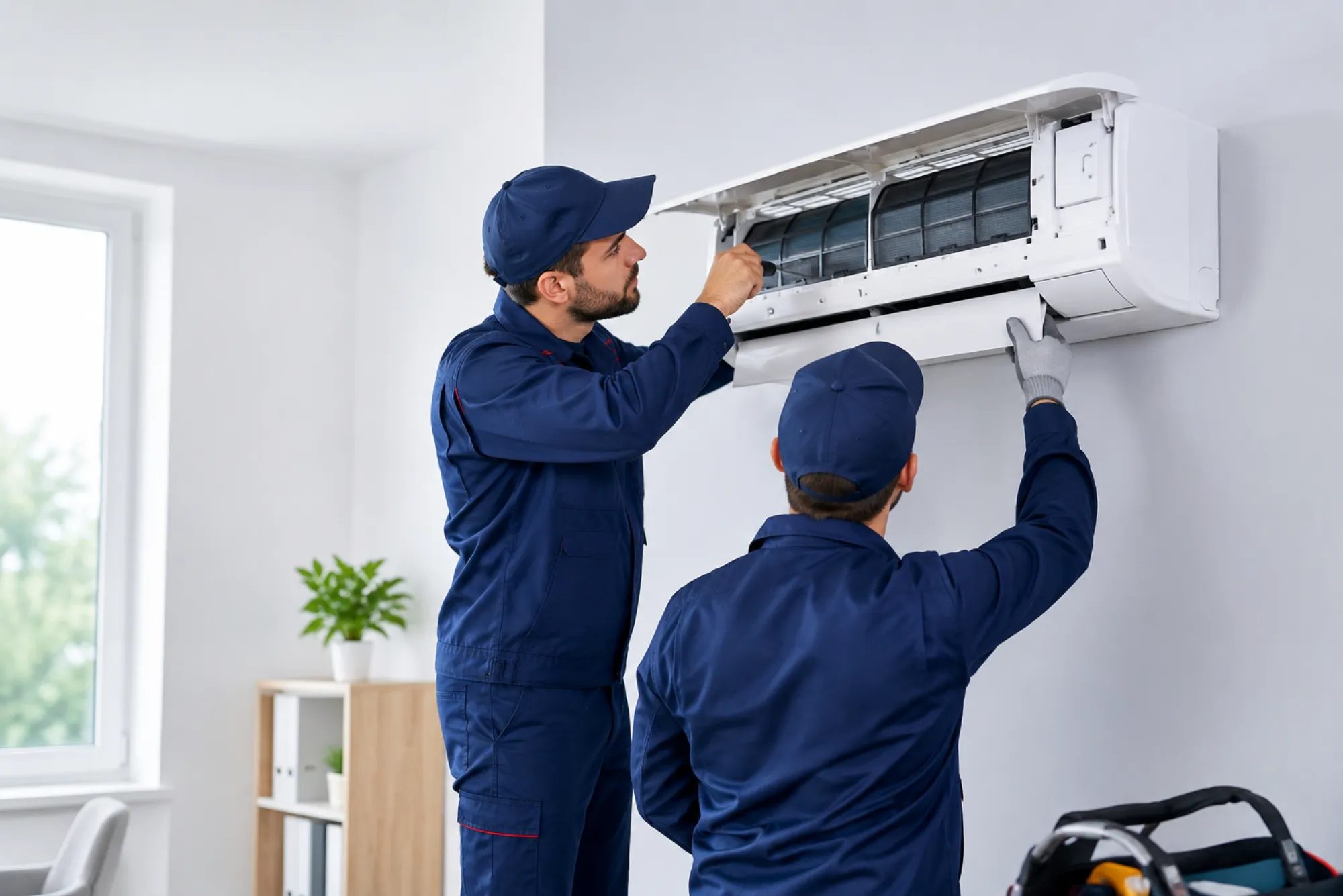
While basic maintenance tasks can often be performed safely by homeowners, advanced troubleshooting requires specialized training, tools, and experience. Attempting complex repairs without proper knowledge can lead to equipment damage, electrical hazards, and higher repair costs.
Professional technicians possess expertise in:
- Electrical diagnostics
- Refrigeration systems
- HVAC airflow engineering
- Electronic controls
- System performance optimization
- Safety compliance procedures
Their ability to identify root causes accurately often saves both time and money.
Conclusion
Advanced air conditioning troubleshooting is a highly specialized process that combines technical knowledge, diagnostic equipment, and systematic analysis. From electrical failures and refrigerant problems to airflow restrictions and control system malfunctions, every component of an HVAC system requires careful evaluation to achieve accurate repairs.
By understanding how professional troubleshooting works, homeowners and property managers can make informed decisions about maintenance, repairs, and system upgrades. Whether addressing emergency breakdowns or optimizing long-term performance, expert diagnostics remain the foundation of reliable, efficient, and cost-effective air conditioning operation.
Related Reading: Air Conditioning Repair Services With Energy Saving Solutions